Isoclima
25/05/2022
Share this post
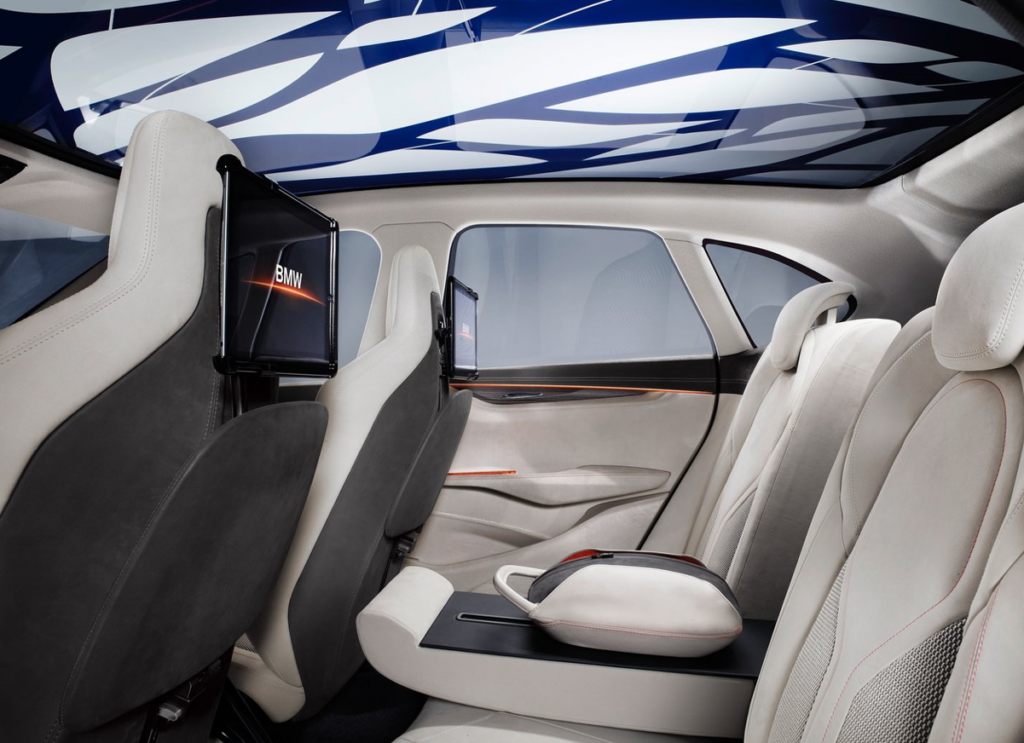
For a long time, glass has been more than just a simple surface for ships, cars, and buildings—it has become an integral part of the object’s aesthetic essence. Glass components serve a precise purpose: enhancing both aesthetics and visibility. The market quickly recognized this need, demanding surfaces that, however, presented challenges requiring attention to achieve optimal comfort and energy savings.
We have worked on our shielding systems to transform sunlight from a problem into an asset to be enjoyed from dawn to dusk. In doing so, we have identified not one, but two effective solutions.
The Filter That Protects from the Sun Without Darkening Spaces
Shielding systems aim to protect against solar radiation while maintaining bright and comfortable environments. When the glass surface area increases on a vessel, for instance, so does the amount of solar energy entering the space. The larger the glass, the more light (and thus heat) enters, creating a warm environment that must be cooled with air conditioning, leading to increased energy consumption.
The first solution we developed to address this issue involves applying an anti-IR treatment to shield interiors from excessive heat. Drawing from advancements in the automotive industry, we implemented a selective filter that blocks infrared radiation while maintaining high transparency. This filter reflects the infrared portion of incoming solar radiation, allowing for an unobstructed view of the surroundings without compromising visual quality.
Coating as a Shielding System
The second solution for our shielding systems involves the use of coatings on glass. The coating we employ has specific characteristics that make it ideal for application on glass surfaces to protect against solar radiation:
- Next-generation coating, developed under strict research and development parameters
- Selective solar control system
- Reflection-based operating principle
- Integrated solar transmittance of 28%
- Assuming a solar load of 1000 W/m², the directly transmitted fraction is 280 W/m² compared to 800 W/m² transmitted by a corresponding laminated glass without selective coating
- Resulting reduction in perceived thermal load
The benefits of coated glass are equivalent to those of solar control film: energy savings in air conditioning, enhanced indoor comfort, and reduced heating of interior furnishings.
With us, only the best for our planet.