Isoclima
17/11/2021
Share this post
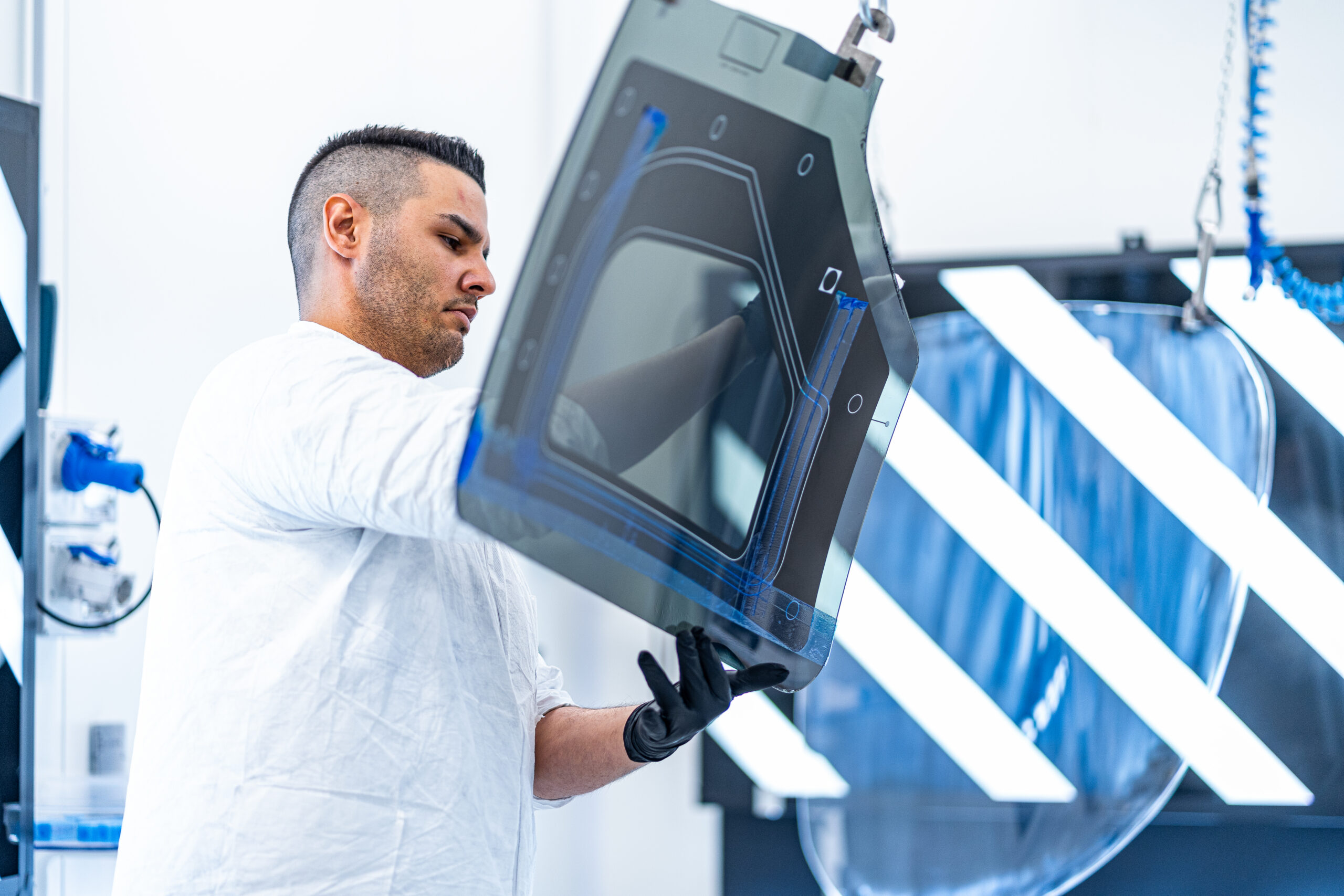
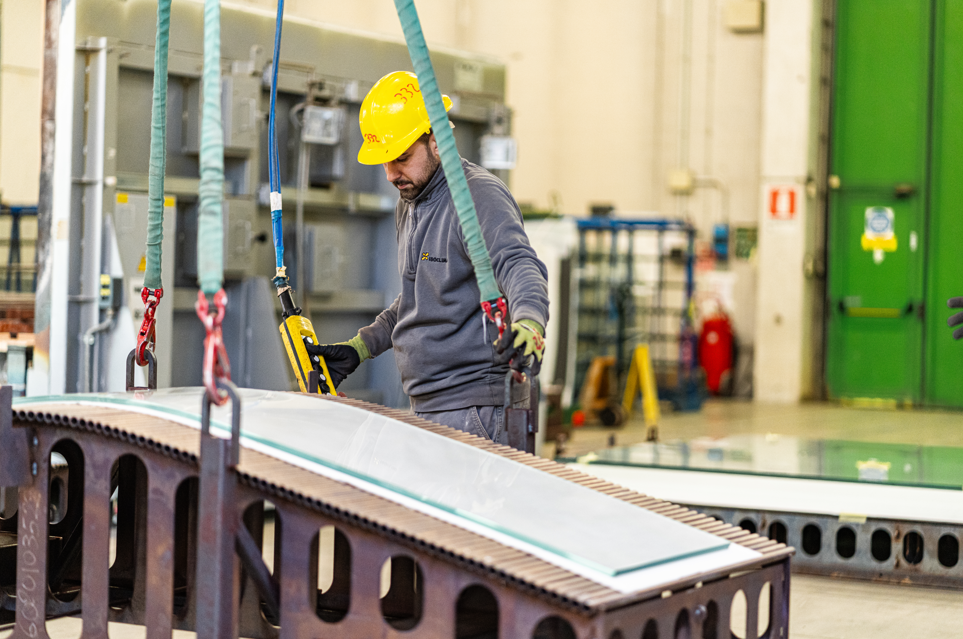
One of the flagship products for which we are known and appreciated worldwide is the large-size curved laminated glass. This creation has helped us become global leaders in the high-performance glass market, thanks to a series of applied and developed technologies over time.
In laminated glass, as in all our products, you will find a constant pursuit of perfection, quality, and extreme technical characteristics that represent the highest expression of innovation and ingenuity. Laminated glass is designed for human safety in various environments: on land, in the air, and at sea.
Just like with laminated glass, we respond to every type of need and customization request based on the client’s specifications.
Features and Characteristics of Laminated Glass
The production of laminated glass with Privalite liquid crystal film began in 2001, along with another major milestone: the launch of production for the naval sector of curved laminated glass with chemical tempering.
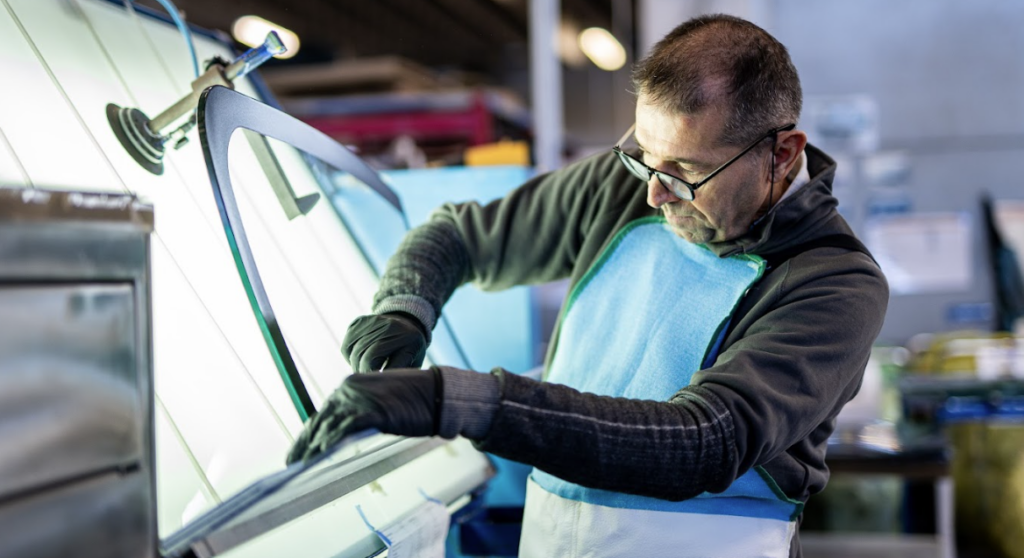
In the specific case of laminated glass, we at Isoclima have successfully harnessed the potential and unique qualities of the material, adapting it to a series of additional functionalities. The exclusive bag-lamination technology and the use of proprietary adhesion promoters contribute to ensuring the absolute quality of the glass. But these incredible characteristics are not limited to just these. The combined use of interlayers with differentiated elastic modules allows application in the most varied and versatile security scenarios, making it suitable for any type of context.
Furthermore, the integration of functional elements for solar control, acoustic control, and aesthetic patterns within the laminate enables us to meet the most complex energy and appearance requirements.
The Right Glass for Every Sector
Curved or flat laminated glass is perfect for showcasing its beauty across multiple sectors, especially those where the production of accessories and components with high technological content and large dimensions is required, merging quality and safety standards.
Isoclima products follow three core principles: quality, safety, and aesthetics. Every design we create embodies these three qualities equally and with the same level of importance.
We have worked hard to reach this point and become a reference not only for reliability but also for versatility, which has allowed us to create patented, advanced, and certified solutions adopted by some of the largest companies in the world, from automotive to other sectors.