Isoclima
01/06/2022
Share this post
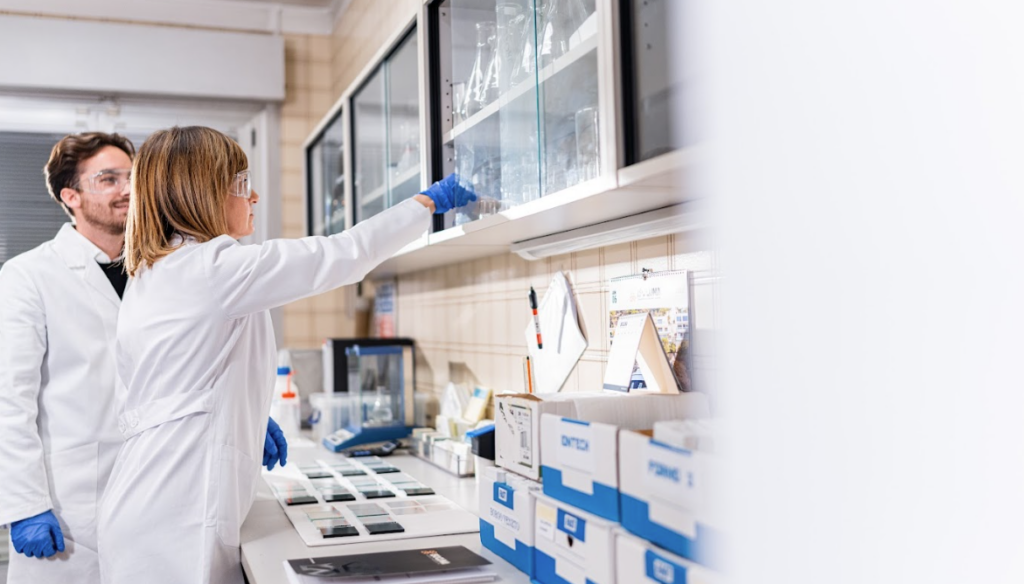
Those who have already tried our products know it well: the thickness of Isoclima’s anti-break glass is so secure that it ensures protection even in the most dangerous situations. To achieve these results, we have invested energy and resources into our Research & Development department, where we applied all of our knowledge to ensure the most suitable thickness for conditions involving external attacks. How does our technology work? Through tests, standards, and mechanical trials, our glass undergoes numerous analyses that guarantee superior quality.
How Isoclima Glass Is Produced
The thickness of anti-break glass is an element that requires a lot of attention to be suitable for what the client requests. As a result, our glass is often made from original surfaces that are transformed through our technologies into anti-break glass. In this phase, we either reinforce the original glass or add materials to it, making it “impervious” to any external stress. One of the advantages lies in the quality of the product: an Isoclima-branded glass has a long lifespan because it results from production processes in line with the strictest rules set by the original manufacturers.
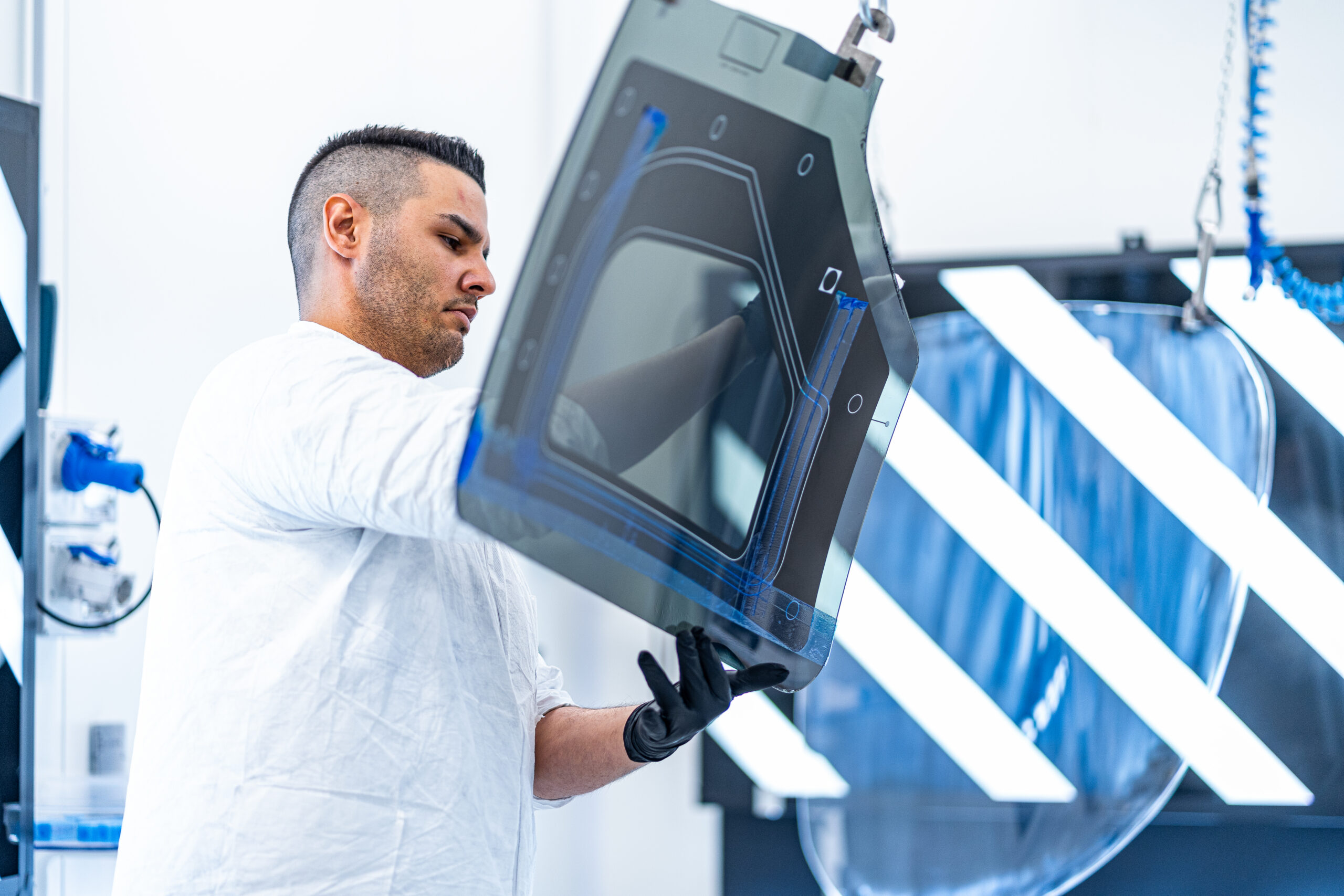
Even though the anti-break glass is thick, it does not affect the structure on which it is mounted. In the case of a vehicle windshield, the thickness is minimal enough to not require design modifications or adjustments to the window’s sliding system. This is achieved through product certification in accordance with international and national standards, and through the protection of those involved in the testing phase.
Safety Always, Even During Testing
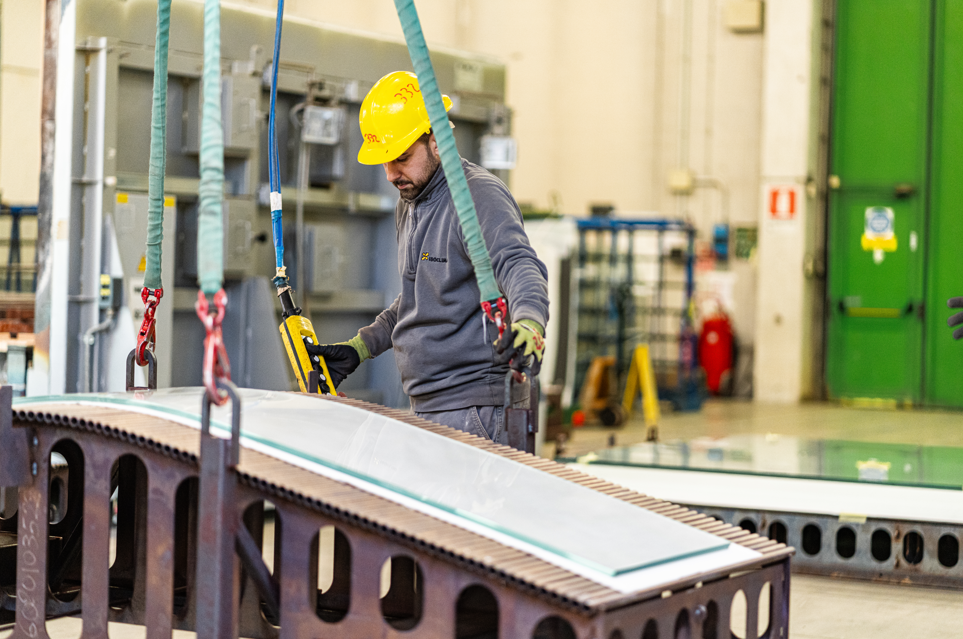
One aspect we haven’t discussed much is the safety protocols we follow during the testing phase of our products. We cannot simply guarantee the thickness of our anti-break glass; we must also take care of the safety of those actively involved in our production within our facilities. Our safety protocols list the risks associated with conducting such tests, specifying the potential dangers for each phase. To prevent these risks, we equip our workers with all necessary personal protective equipment, ensuring their safety and minimizing unpleasant incidents.
Because the protection of people is and always will be our top priority.