Innovation & Tech
5 min read

Isoclima
27/01/2022
Share this post

Quality is often an overused word—its meaning varies greatly depending on the industry and the product or service being offered.
For us, complying with regulations in the shatterproof glass sector is just one more element that enhances the overall quality of our products.
From the very beginning, we have always aimed for excellence, driven by the desire to satisfy our customers both in terms of product quality and the consultancy we provide.
How do we achieve this? What sets us apart from the competition? In this article, we will explore how our glass solutions meet even the most demanding requirements.
Training, but also passion
Shatterproof glass regulations do not simply require precise execution of a production protocol; they also include a series of additional steps that a company may choose to adopt or not. One of these is training, which falls into the category of discretionary measures that businesses determine based on their own priorities.
For us, training is essential to maintaining quality.
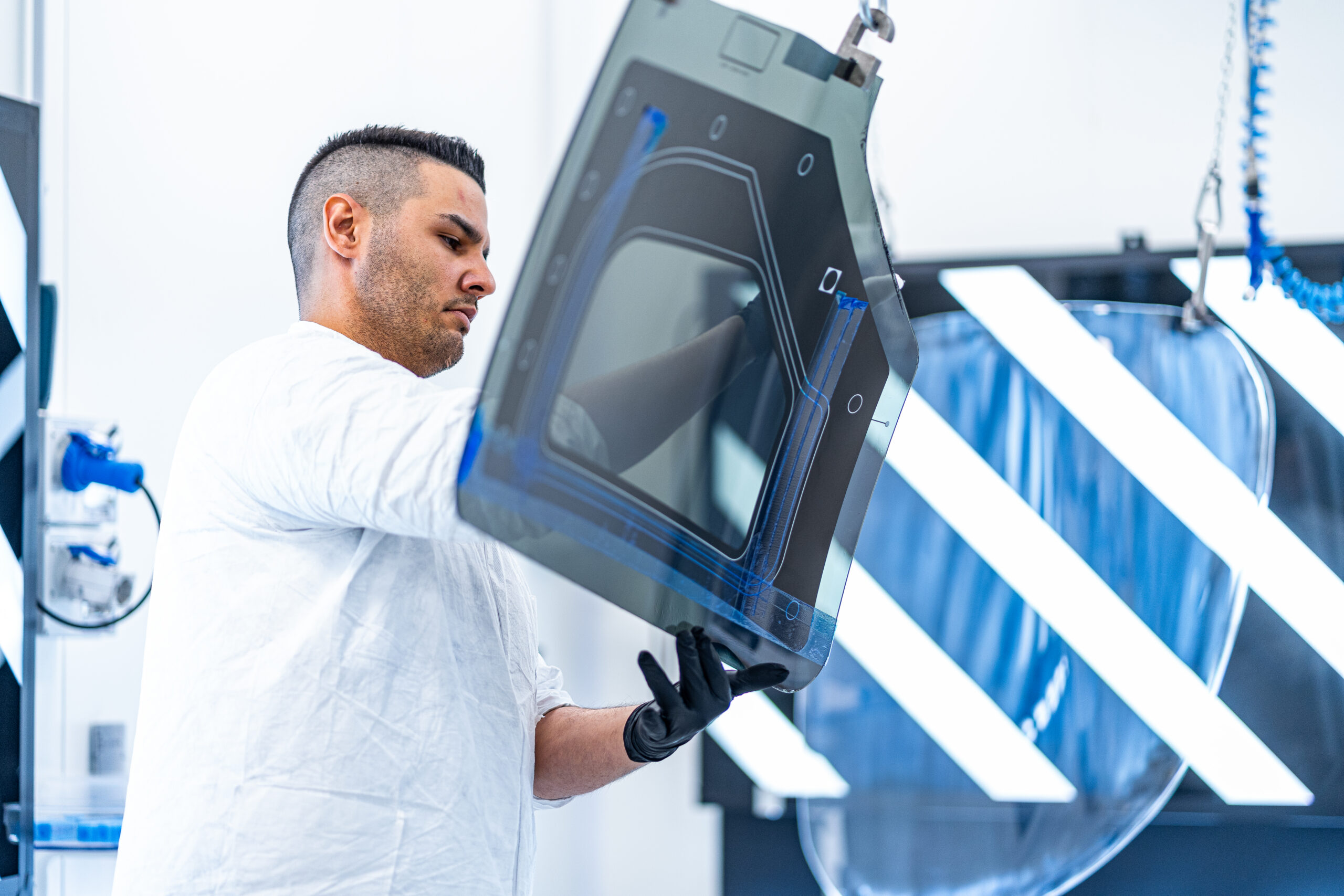
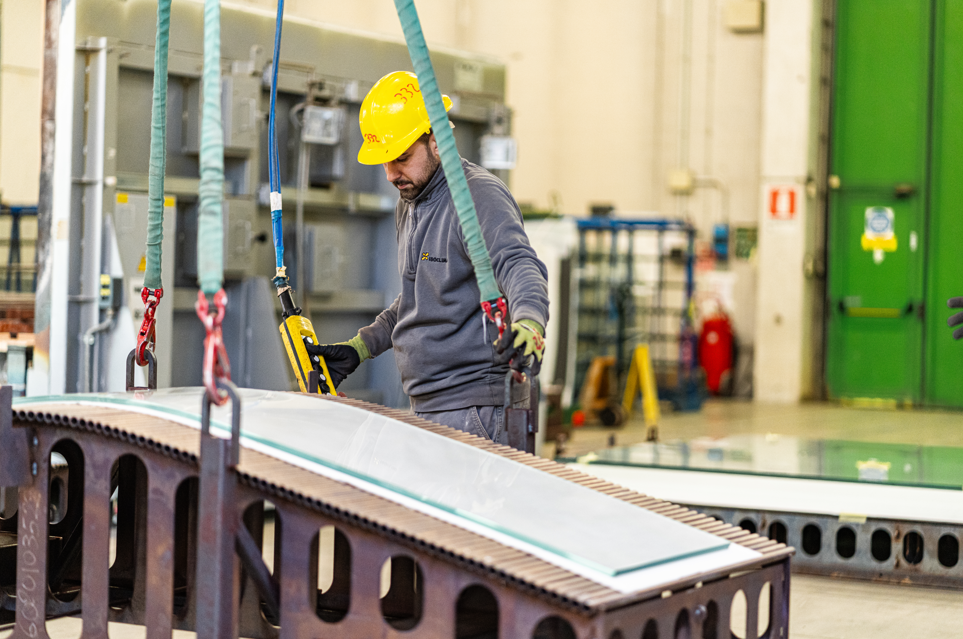
We carefully monitor raw materials, oversee the functioning of our production systems, and assess workflow efficiency. All of this is carried out by highly qualified personnel who undergo specialized training courses.
Additionally, every installed product is “tracked” even after delivery, with follow-up inquiries made to those involved in the project. This ongoing feedback helps us identify areas for further improvement.
Our internal quality control standards
Beyond regulatory compliance for shatterproof glass, one of our core strengths lies not only in production but also in defect analysis.
By learning from errors, we continuously refine our processes and collaborate with our team to enhance performance.
Furthermore, each of our products is created within a strictly controlled supply chain. Every item is assigned a Rote Card, which allows us to reconstruct the entire production process, providing detailed insights into the raw materials used and the personnel involved in its fabrication. This comprehensive monitoring system helps us reduce production waste while ensuring full compliance with required specifications.
How do we develop our products? Our DFMEA and PIFMEA studies serve as the foundation for identifying critical issues and thoroughly analyzing all relevant factors—both regarding the glass itself and the manufacturing process—ensuring a safe and validated production outcome.