Innovation & Tech
5 min read

Isoclima
11/12/2023
Share this post
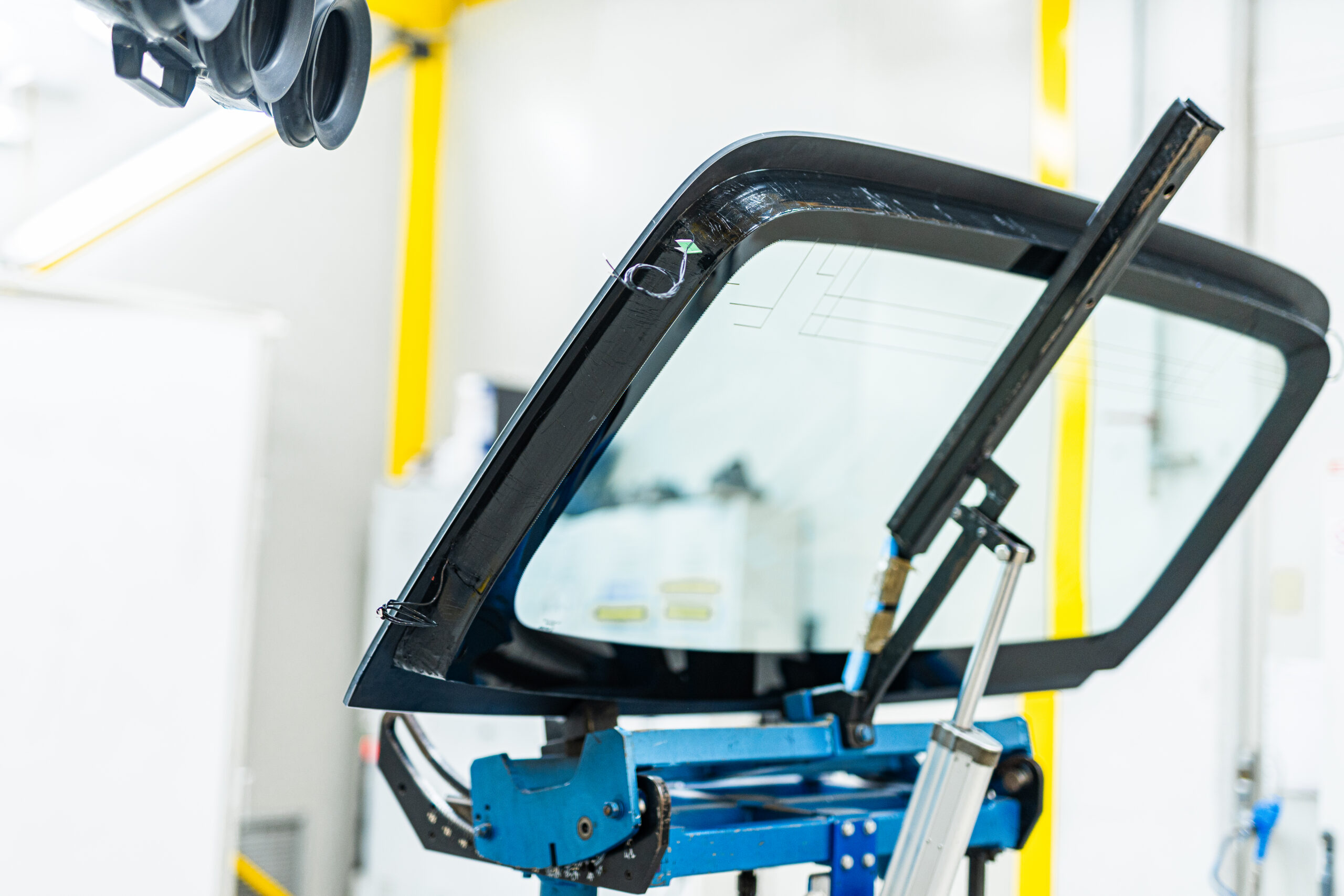
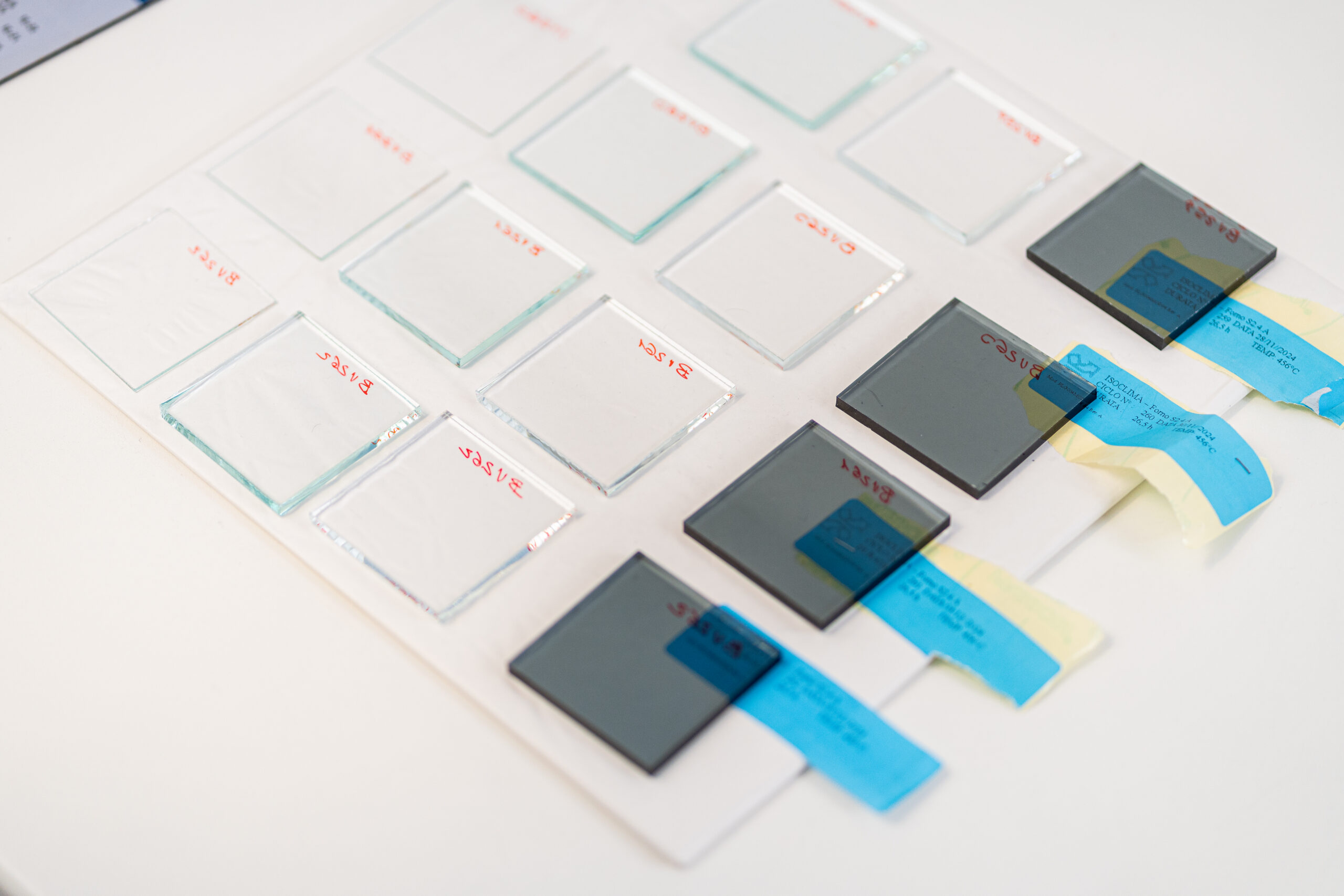
Isoclima is undergoing a profound transformation in the Aerospace sector. In order to offer cutting-edge solutions in terms of weight, geometry, durability, optical and thermal characteristics, the company has shifted from “Build-to-Print” production to “Build-to-spec” production. The “Build-to-spec” approach requires meeting project requirements through advanced planning of the development, design, and qualification phases. ISOCLIMA has organized a research and development laboratory for new materials and a design organization that, through the use of mathematical models and digital models, allows for simulating product behaviors before they are even produced. The final qualification phase involves product validation through experimental tests conducted both in its own laboratories and at international laboratories.
Polycarbonate: The New Paradigm of Transparent Materials in the Aerospace Sector and Beyond
The introduction of polycarbonate and advanced surface treatments is revolutionizing innovation in the industry. This lightweight and flexible material offers significant advantages over glass: it is lighter, more sustainable, and offers greater freedom in achievable shapes. For ISOCLIMA, it is the preferred material to develop optimal solutions for a technologically advanced sector such as the emerging EVTOL (Electric Vertical Take-Off and Landing) sector, electric vehicles designed for vertical takeoff and landing that aim to revolutionize transportation and urban mobility by 2030. Through a strong focus on adopting cross-technology, i.e., transferring technologies from one sector to another (e.g., from aerospace to automotive and vice versa), ISOCLIMA remains highly responsive to new customer and market demands, offering the latest technologies and materials developed globally.
Leonardo and Isoclima: How the Collaboration Born from Research and Innovation Began
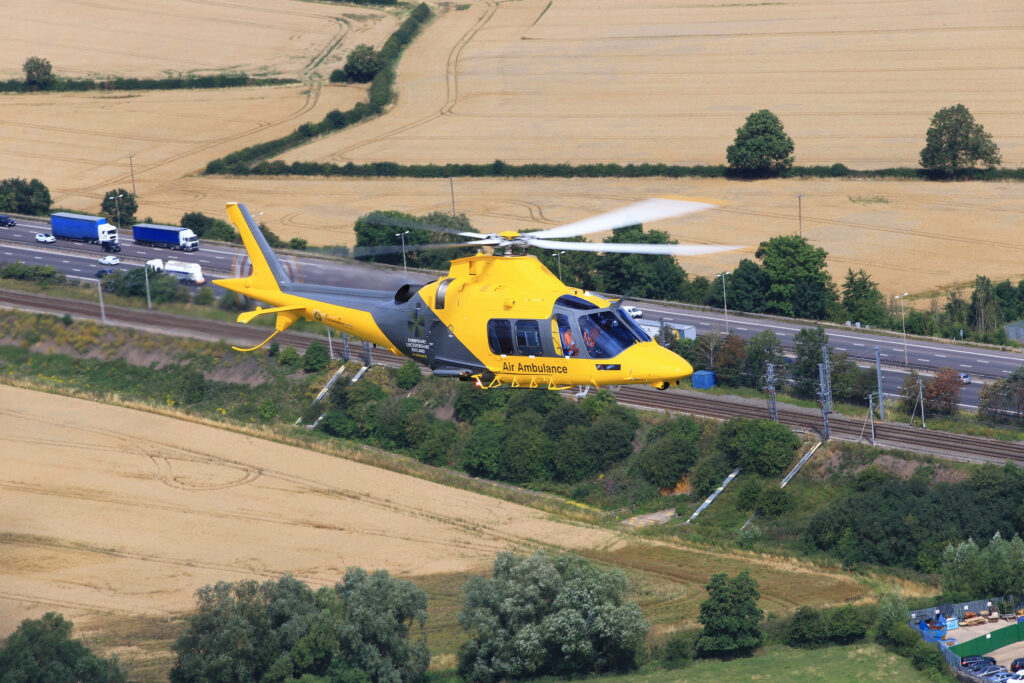
Since we began our partnership with Leonardo in 2013, our journey with the client has been one of innovation and overcoming unique challenges. The first project together, focused on the windshields for the AW169 helicopter, required achieving unprecedented optical characteristics, along with rigorous bird-strike qualification. By addressing complications due to accentuated double curvatures, we provided the lightest “bird-strike-proof” windshield on the market. Later, our collaboration expanded to military projects such as the AW159, where we implemented electromagnetic protection solutions ensuring enhanced durability while meeting strict weight constraints. The product range is further expanding with the AW249 project, the new combat helicopter being developed for the Italian Army. With increasing order volumes, nearing 60 kits per year for the AW169 in 2023, our relationship with Leonardo looks to be fruitful and long-lasting. Leonardo’s decision to continue working with Isoclima is driven by:
- Our ability to offer cutting-edge technological products that provide superior optical characteristics and minimal weight.
- Our commitment to providing timely and continuous support.
- Our constant dedication to minimizing non-conformities.
In this way, we consolidate our position as a reliable and innovative partner for the aviation sector.
A Look to the Future
ISOCLIMA is turning its attention to the future of the EVTOL business. Currently, materials and cutting-edge technologies are being developed to equip these innovative aircraft of the future. Specifically, ISOCLIMA is developing advanced materials and solutions to:
- Reduce solar load and, therefore, the electrical consumption for the air conditioning system;
- Create de-icing and heating transparent systems on monolithic plastic windshields;
- Develop variable light transmission glass to be integrated into passenger cabins.