
Bulletproof glass, ballistic glass, crime-resistant glass, or transparent armor: these are all terms that refer to the same thing—protecting people from gunfire attacks. Wherever there is a need to protect someone, we respond with a specific product: OmniArmor®, one of Isoclima’s flagship products. However, before diving into the specifics of OmniArmor, it’s important to take a moment to focus on certifications, standards, and regulations that govern the production of such products. How familiar are you with this subject?

Standards, Regulations, and Bulletproof Glass

Bulletproof glass is a highly specialized product, and it’s certainly not something that can be improvised. All Isoclima products fully comply with European and international standards in this area, and that’s non-negotiable. The strength of the glass is tested and certified according to all regulations and standards: In Europe and around the world, bulletproof glass must meet the firearm resistance requirements outlined by the UNI EN 1063 standard (from BR1 to BR7). For military use, the NATO “Stanag” standard applies, which is specific for state bodies with protection levels 1, 2, 3, and 4. In the civilian sector, the standards are VPAM PM VR (in Germany and worldwide), the aforementioned EN 1063, and in the United States, the NIJ 0108.01 and UL752.

The production of the glass doesn’t end at the factory; the certification process is only completed when the glass passes ballistic testing, which ensures the glass’s reliability. Certifying bodies include Beschussamt Ulm, Beschussamt Munich, and Beschussamt Mellrichstadt in Germany, and NTS Chesapeake in the United States.

Ballistic Testing and OmniArmor®

Bulletproof glass undergoes very specific, rigorous tests to provide the recipient with a pure and guaranteed product. The standards require numerous tests conducted with different types of “threats,” such as bullets or others, depending on the protection level requested by the customer. Temperature also plays a role. Ballistic tests are performed at extreme temperatures (+70 -40 °C), with the requirement that the glass can withstand multiple hits, known as “multihit.”

OmniArmor® is one of those products that not only guarantees ballistic protection and resistance but also offers an aesthetically pleasing and beautifully crafted product. The excellent weight-to-strength ratio and incredible optical and aesthetic quality are the strong points of OmniArmor®, making it one of Isoclima’s most popular works. Whether flat or curved, its structure is designed to combine the properties of polycarbonate and glass to resist not only massive ballistic attacks but also other incidents that could cause breaches and, consequently, danger to people.

This is why we install OmniArmor® in various fields where every individual must feel protected and secure: automotive, marine, military, and construction. No sector is unfamiliar with the excellence of Isoclima products.
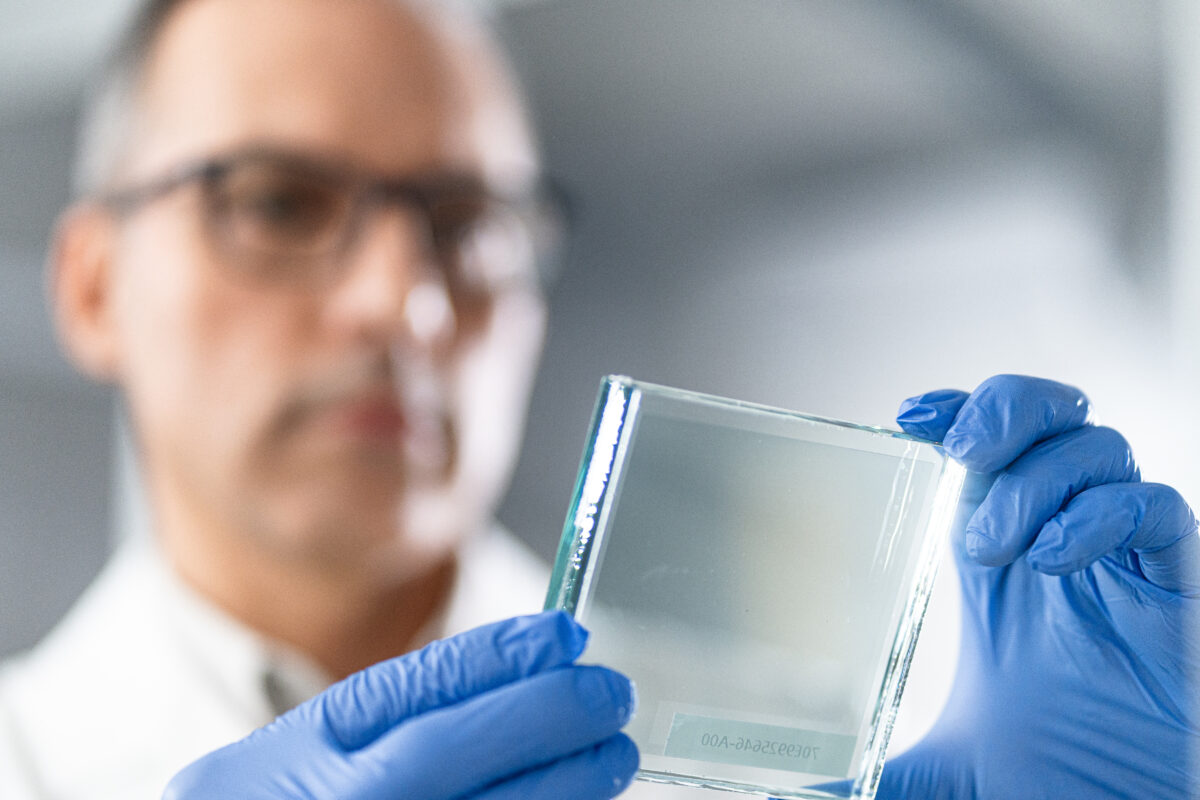
For those not in the industry, shatterproof glass and thermal insulation glass may seem almost identical. However, to recognize a quality product, it’s important to understand the differences and characteristics that distinguish these two surfaces—both of which are critical in certain contexts.

First, shatterproof glass is named for its resistance to impacts, which sets it apart from regular glass. These glasses are particularly significant when placed in specific contexts, as they provide important protection for people and objects within a given space.

The Context, First and Foremost

To discuss the differences between shatterproof glass and thermal insulation glass, we can start by looking at the different situations in which they are used. Shatterproof glass is primarily used in architecture, within buildings that require a high level of security. On the other hand, thermal insulation glass is mainly used in yachting, to improve thermal and acoustic insulation performance. These are two different products, but both are essential when placed in the right context.

An important factor to highlight, especially for us at Isoclima who care about environmental sustainability, is that thermal insulation glass helps improve energy efficiency and creates a more comfortable indoor environment, which is beneficial both for the planet and for people. While these two products are distinct, they share one common element. Let’s explore what that is.

Different Processes, Same Commitment

Whether it’s shatterproof glass or thermal insulation glass, Isoclima dedicates a high level of commitment to both types of production.

We produce insulating glass combined with bulletproof glass, which differs from shatterproof glass, but with a “double” function: to insulate and protect at the same time. The common denominator lies in the development of materials that, until a few years ago, were pure fantasy.

These projects represent the pinnacle of Isoclima’s technology and history, as they not only provide significant thermal and acoustic insulation but also offer maximum security in critical and dangerous situations.

Who do we owe all of this to? It’s thanks to the careful research of our R&D department and the technical office, which bring our most visionary projects to life.

We are proud to announce that Isoclima has been awarded the Louis Schwitzer Award 2020.

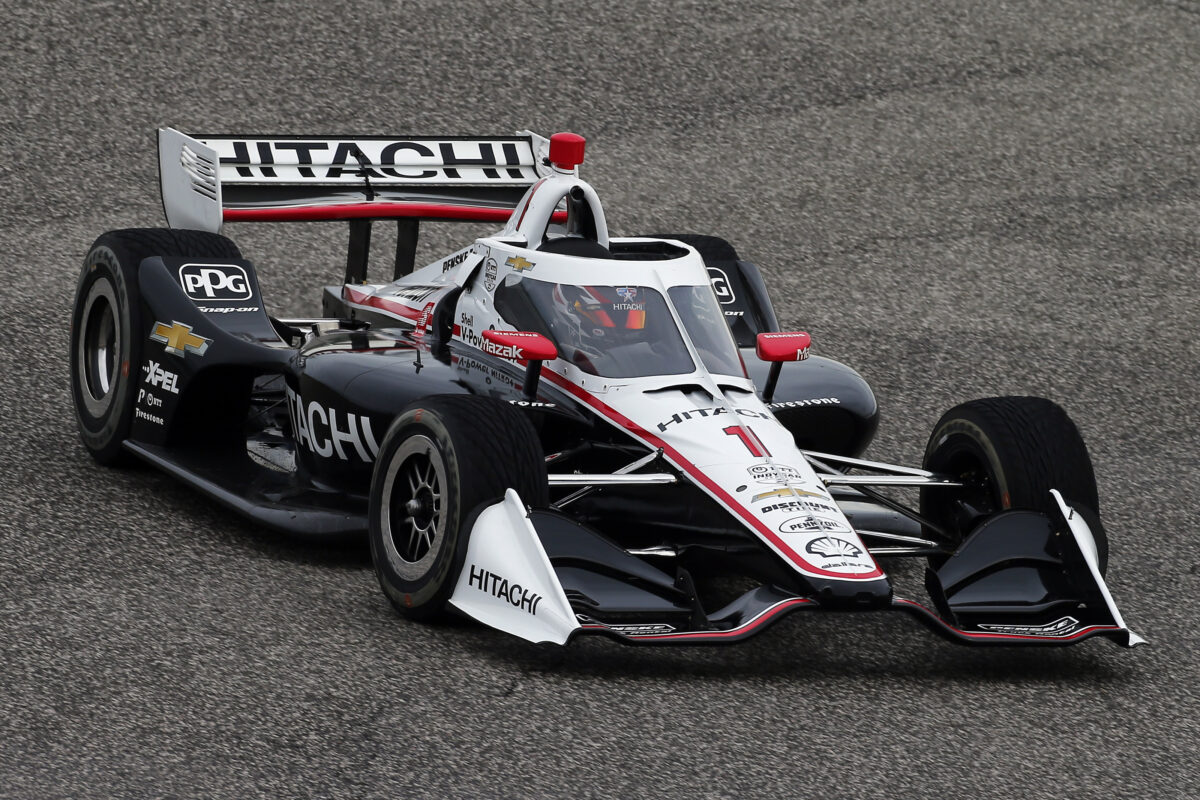
This prestigious recognition, presented annually by the Indiana section of SAE International in collaboration with IndyCar Series engineers, honors technological solutions that enhance performance, driver support equipment, safety, or energy efficiency in race cars. The award was given to the engineering team behind the design and development of the Indy Aeroscreen.

The project, coordinated by Red Bull and developed in collaboration with Pankl, Dallara, Aerodine Composites, and PPG, significantly improves driver safety in IndyCar racing. The Aeroscreen features a windshield capable of withstanding the impact of a 1 kg projectile at over 350 km/h. The Isoclima team, led by Marco Bertolini, was responsible for developing and manufacturing the windshield and designing the composite frame for its attachment to the vehicle.

Being part of such a prestigious group is a great honor for us, and we extend our deepest gratitude for this recognition.

IndyCar Schwitzer Award News