Isoclima
08/03/2021
Share this post
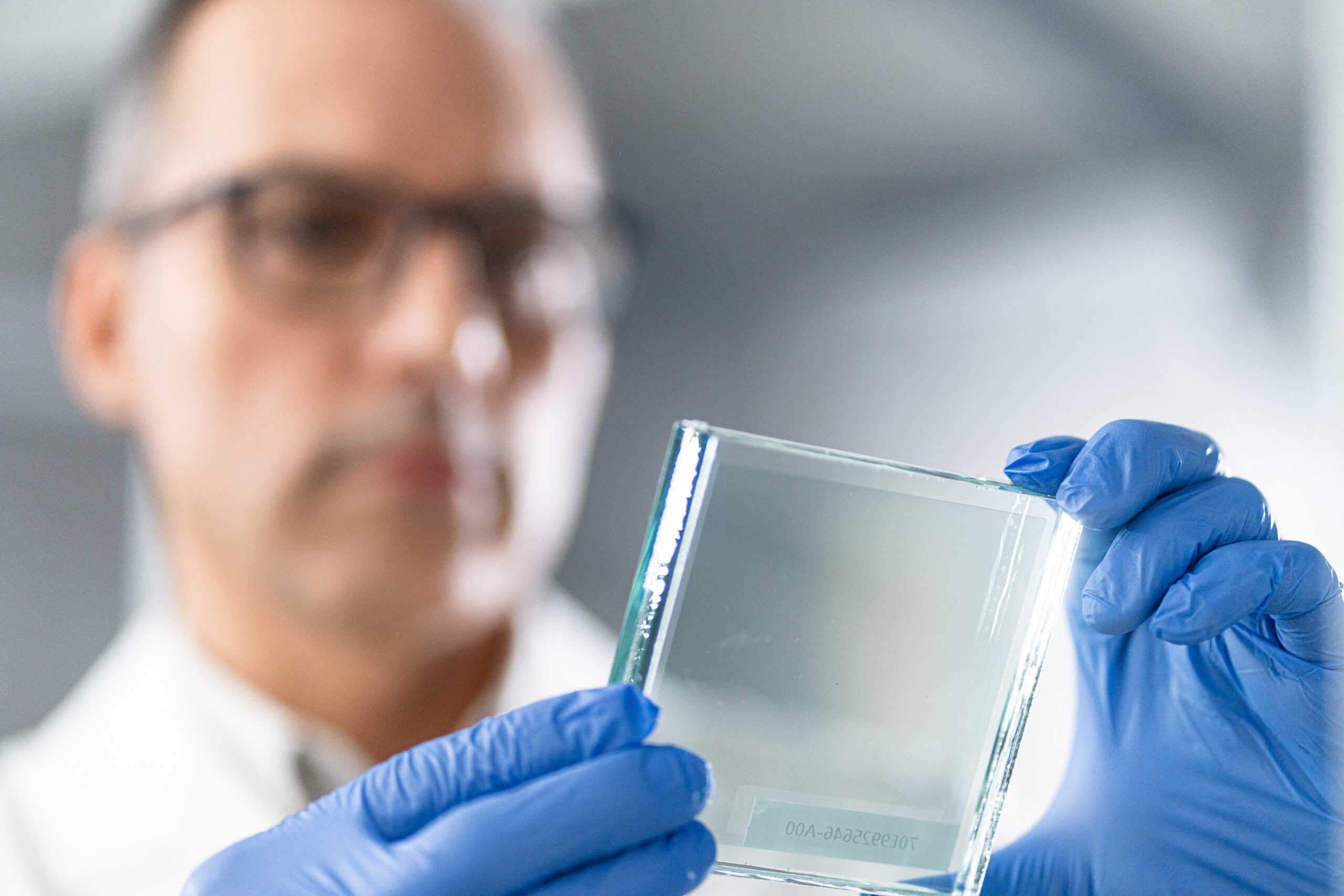
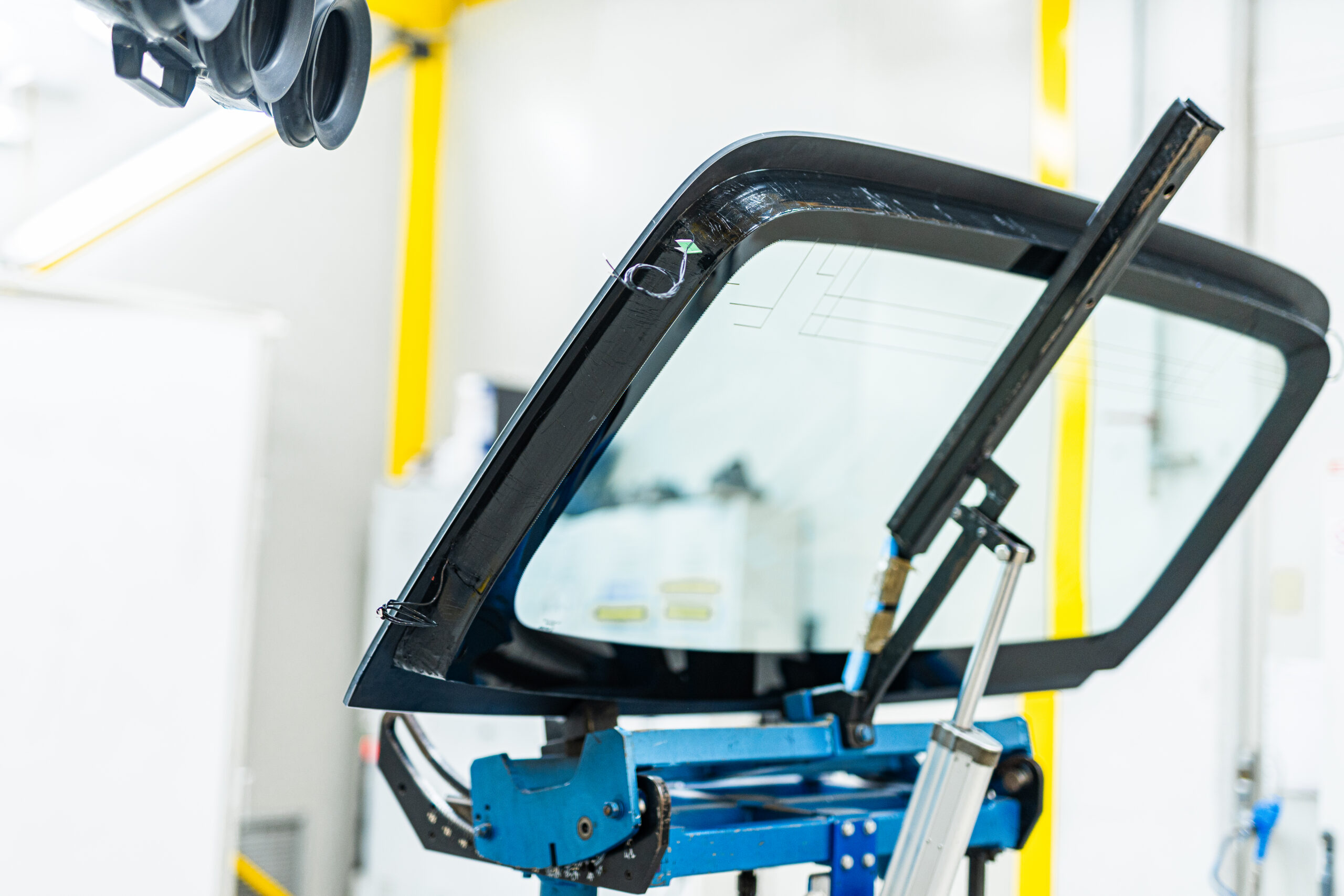
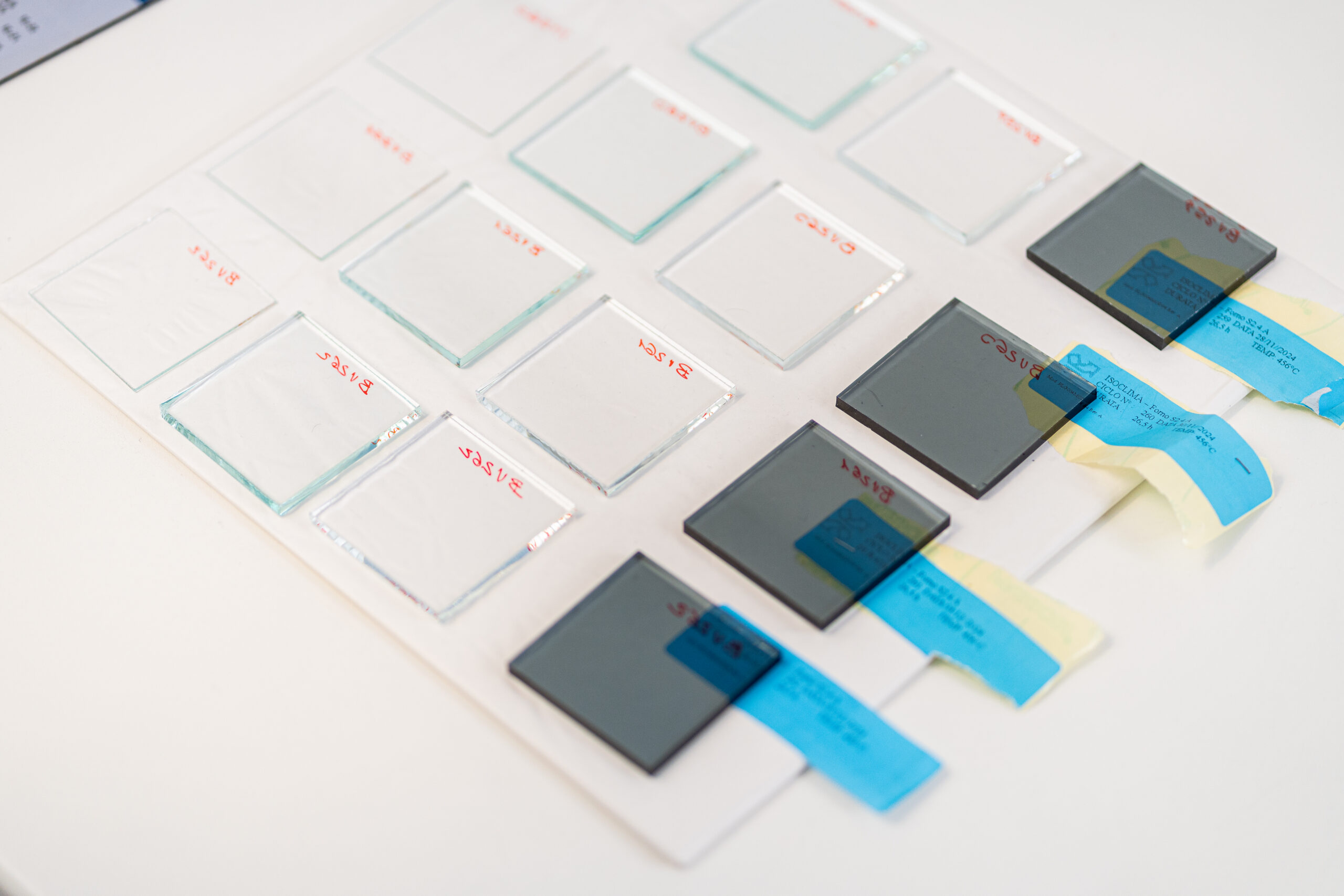
For those not in the industry, shatterproof glass and thermal insulation glass may seem almost identical. However, to recognize a quality product, it’s important to understand the differences and characteristics that distinguish these two surfaces—both of which are critical in certain contexts.
First, shatterproof glass is named for its resistance to impacts, which sets it apart from regular glass. These glasses are particularly significant when placed in specific contexts, as they provide important protection for people and objects within a given space.
The Context, First and Foremost
To discuss the differences between shatterproof glass and thermal insulation glass, we can start by looking at the different situations in which they are used. Shatterproof glass is primarily used in architecture, within buildings that require a high level of security. On the other hand, thermal insulation glass is mainly used in yachting, to improve thermal and acoustic insulation performance. These are two different products, but both are essential when placed in the right context.
An important factor to highlight, especially for us at Isoclima who care about environmental sustainability, is that thermal insulation glass helps improve energy efficiency and creates a more comfortable indoor environment, which is beneficial both for the planet and for people. While these two products are distinct, they share one common element. Let’s explore what that is.
Different Processes, Same Commitment
Whether it’s shatterproof glass or thermal insulation glass, Isoclima dedicates a high level of commitment to both types of production.
We produce insulating glass combined with bulletproof glass, which differs from shatterproof glass, but with a “double” function: to insulate and protect at the same time. The common denominator lies in the development of materials that, until a few years ago, were pure fantasy.
These projects represent the pinnacle of Isoclima’s technology and history, as they not only provide significant thermal and acoustic insulation but also offer maximum security in critical and dangerous situations.
Who do we owe all of this to? It’s thanks to the careful research of our R&D department and the technical office, which bring our most visionary projects to life.