Innovation & Tech
4 min read

Isoclima Group
02/10/2026
Share this post
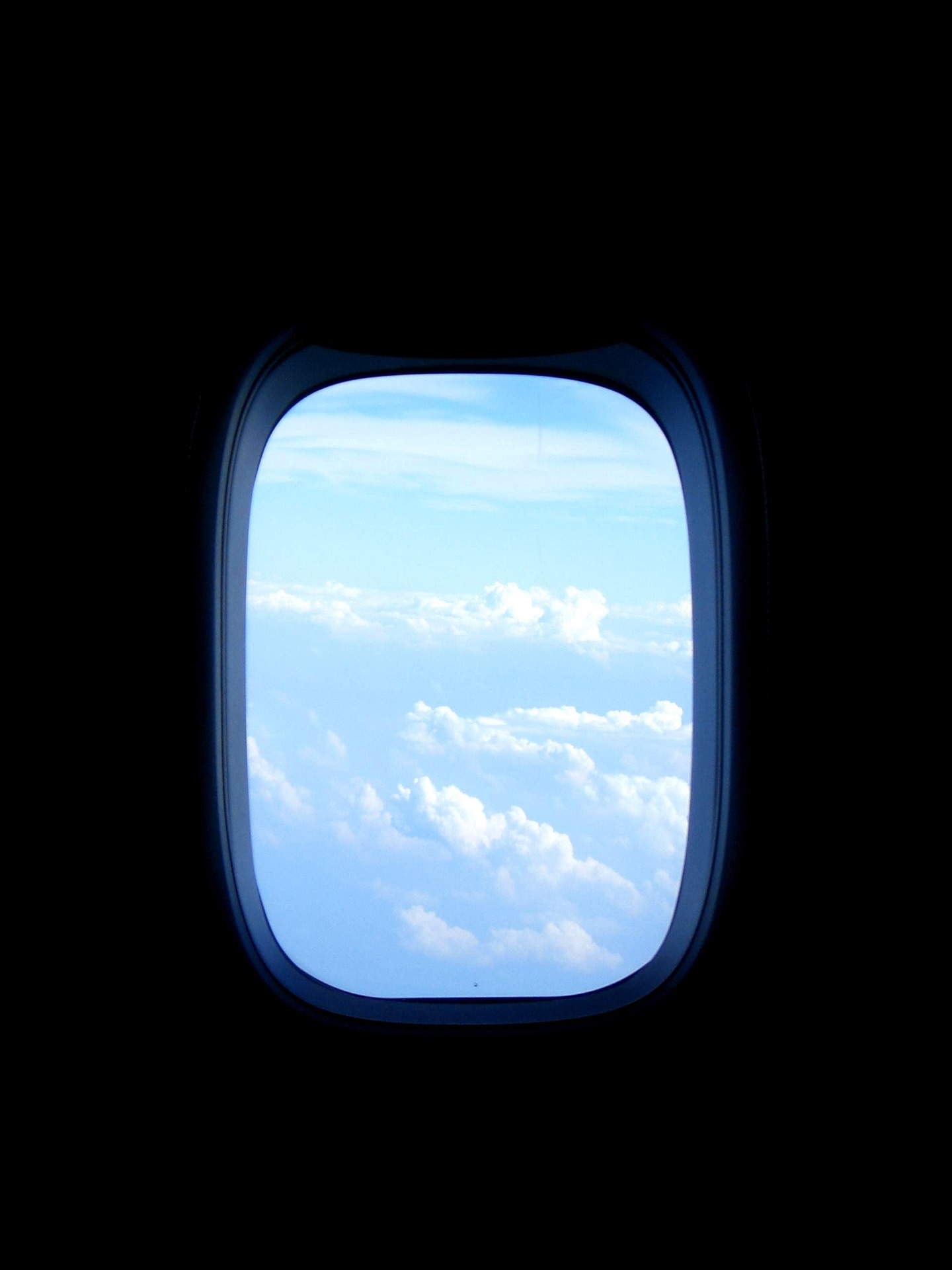
Aircraft windows are structural components. Every day they face high pressure differences, extreme temperatures and thousands of flight cycles. For this reason, their design must protect cabin safety and passenger visibility at the same time. Reliability comes from two elements. The first is a design that combines several components with distinct functions. The second is a rigorous verification process. In this article, we explain how aircraft windows are made and why they keep their integrity over time.
The three-pane structure
A commercial aircraft window has three transparent panes. Manufacturers mount them in sequence inside a frame fixed to the fuselage.
The outer pane is the structural one. It carries the load created by the difference between cabin pressure and outside pressure. The middle pane is a safety reserve. Normally it does not carry any load. However, it is sized to take the load if the outer pane fails. Closest to the passenger, the inner pane protects the middle pane from contact and scratches. It does not carry pressure.
Engineers call this approach fail-safe. The failure of one element does not compromise the whole window. Shape also matters. The window is oval, with rounded corners. As a result, stress does not concentrate in one point, and cracks are less likely to start.
In addition, the frame is part of the design. It transfers the load from the panes to the fuselage structure. Elastomer seals around the perimeter absorb vibrations and keep the window tight. For this reason, the frame and seals receive the same attention as the panes.
The hole in the inner pane: what it is for
The inner safety pane, technically the middle pane, has a small bleed hole. Its diameter is about one millimetre. It is a deliberate design feature, not a defect.
The hole connects the gap between the outer and middle panes with the cabin air. Therefore, the pressure equalises, and the outer pane carries the full load as designed. Meanwhile, the middle pane stays unloaded and ready as a reserve.
The hole has a second function. It lets moisture escape from the gap. As a result, condensation and fogging do not reduce visibility. Its small size does not affect safety. At high altitude, a thin layer of frost may appear around the hole. This is an entirely normal phenomenon caused by the temperature difference.
Some passengers notice the hole and worry. In reality, it shows that the system works as intended.
Resistance to pressure and temperature
At cruise, a commercial aircraft flies between 10,000 and 12,000 metres. Outside, the pressure is about a quarter of the sea-level value. The temperature can fall below -50 °C. Inside, the cabin pressure equals about 2,000 metres of altitude, and the temperature stays comfortable.
Consequently, the pressure difference exceeds half a bar. On a single window, it creates a force of several hundred kilograms.
Designers choose materials to match these conditions. Stretched acrylic comes from stretching the material during processing. It resists crack propagation and behaves reliably under fatigue. Moreover, it is light and has high optical quality. The air gap between the panes improves thermal insulation and limits condensation on the cabin side.
Temperature also affects the materials. Acrylic expands more than the metal frame. Therefore, designers allow controlled clearances and use flexible seals. In this way, the window does not suffer damage when the temperature changes.
Fatigue is the other decisive factor. Each flight loads and unloads the window once. Over the years, this cycle repeats thousands of times.
The certification tests
Windows for commercial aviation must meet airworthiness rules. The main ones are EASA CS-25 and FAA Part 25. Manufacturers demonstrate compliance through analysis and experimental tests.
Analysis alone is not enough. Tests on real windows confirm the calculations.
First, pressure tests apply values above the maximum operating difference. The regulations set the safety factors. Second, fatigue tests simulate a high number of pressurisation cycles. Then, tightness tests run at extreme temperatures. In addition, manufacturers must show that the remaining structure carries the loads if one pane fails. It must do so for the period defined in the design. Further checks cover chemical resistance, fire behaviour and optical quality. Once in service, technicians inspect the windows during maintenance. They look for scratches and surface micro-cracks.
Materials and manufacturers
Manufacturers make most panes from acrylic. They can add abrasion-resistant surface treatments. The frame is metal, and the seals are elastomer. For highly stressed components, they also use polycarbonate and laminated solutions.
Producing an aeronautical transparency requires specific expertise. It covers thermoforming, machining, optical inspection and material traceability. Traceability is essential. Every window must link back to its material batch and the processes used.
Isoclima Group operates in the aerospace sector with high-performance transparent solutions. It develops them to customer specifications. In addition, it applies the highest standards of safety, quality and reliability required by the industry.