Innovation & Tech
3 min read

Isoclima Group
16/09/2026
Share this post
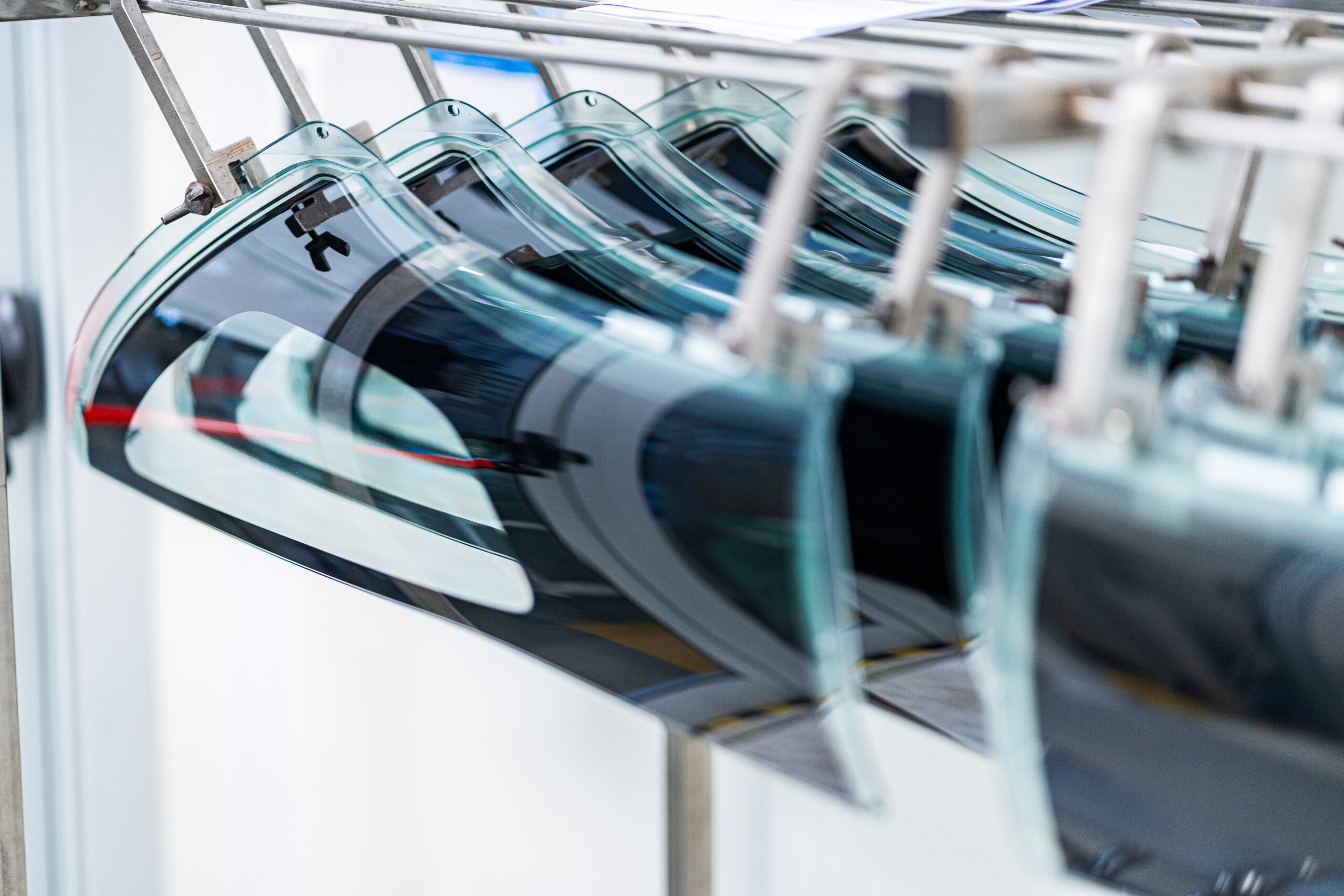
In high-performance automotive, motorsport and specialised mobility, the windscreen is no longer a simple protective component. It is now a structural and functional part of the vehicle. It must meet safety, aerodynamic and weight-reduction needs at the same time. Isoclima Group designs and manufactures transparent solutions that respond to these requirements. Engineering know-how and advanced materials combine to guarantee certified performance, even under extreme operating conditions.
What Makes a Windscreen “High-Performance”
A windscreen qualifies as high-performance when it delivers three characteristics at once: lightness, mechanical strength and impact safety. These qualities often work against each other. Reducing glass thickness, for example, has traditionally meant losing structural strength.
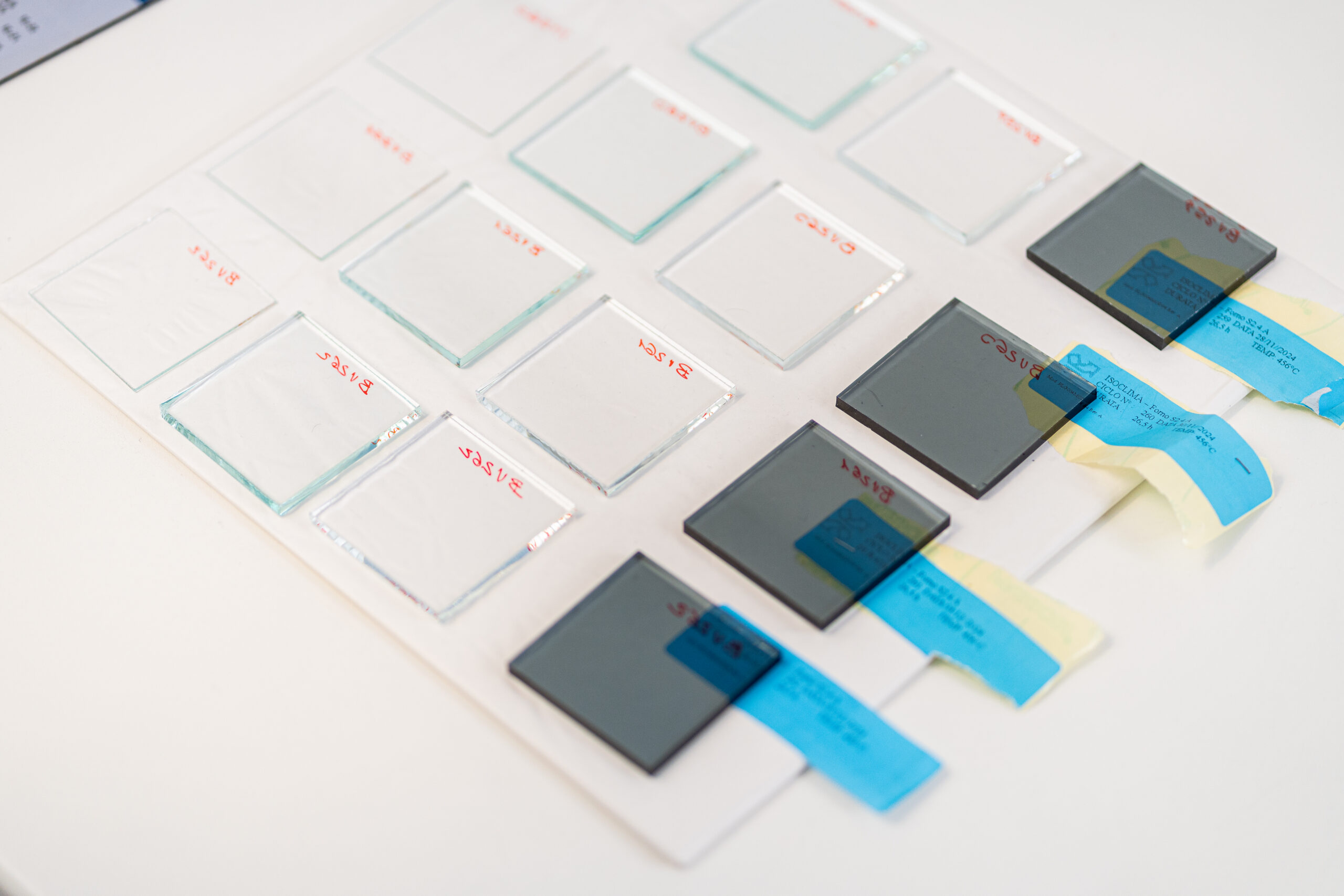
Isoclima addresses this trade-off through careful material and interlayer engineering. This approach maintains high performance standards even in ultra-thin configurations. As a result, the windscreen helps reduce the overall weight of the vehicle. Lower weight brings direct benefits: better fuel efficiency, sharper driving dynamics and, in motorsport, faster lap times. Safety requirements set out in international regulations remain fully met.
High-Speed Impact Resistance
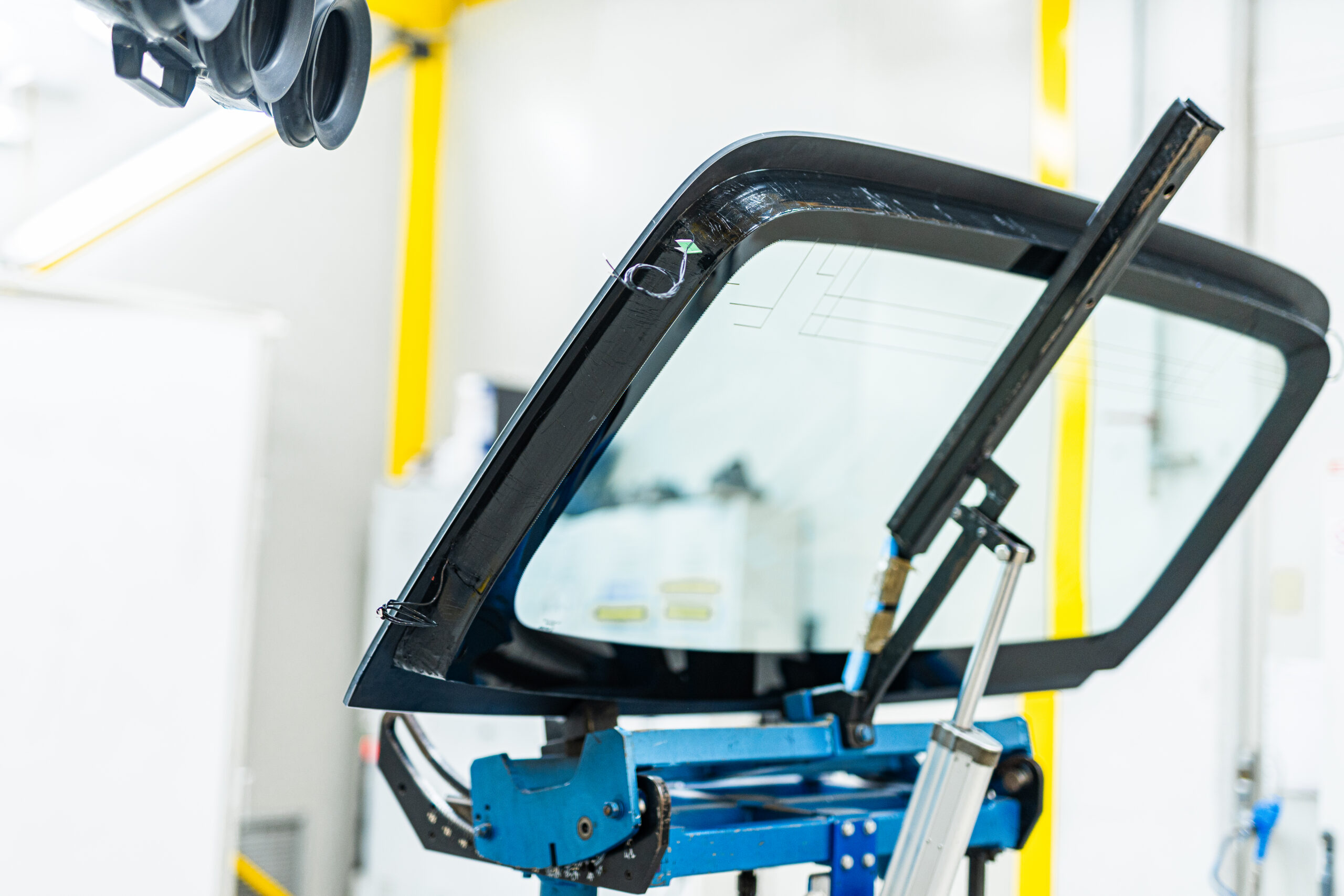
High-speed impact resistance is one of the toughest performance requirements for a motorsport or high-performance windscreen. The component must withstand debris, large insects or small objects travelling at high speed. It must do so without dangerous fragmentation for the driver.
Isoclima tests its solutions under conditions that simulate real-world impacts. These tests confirm that the laminated glass and interlayer absorb impact energy while keeping the pane structurally intact. Optimised thickness and high-performance interlayers work together here. The result is a resistant component that does not add significant weight. This balance sets the benchmark for the sector.
ECE R43 Approval
Every windscreen used on the road must meet the ECE R43 regulation. This is the international standard for safety glazing materials in vehicles. It sets specific criteria for mechanical strength, breakage behaviour, light transmission and abrasion resistance.
Isoclima designs and tests its solutions for full ECE R43 compliance. Customers therefore receive certified components, ready for vehicle approval in markets that adopt this standard. Manufacturers can integrate Isoclima windscreens into their own approval processes with confidence. The product has already been validated against the relevant regulatory parameters.
Motorsport and Civil Applications
Isoclima’s expertise in high-performance windscreens applies to two distinct but connected areas. In motorsport, every gram of weight and every millimetre of thickness affects on-track performance. Ultra-thin laminated glass with an ionoplast interlayer meets rigorous technical specifications here, developed together with teams and manufacturers.
In the civil sector, the same technologies serve sports and high-performance road vehicles. They are adapted to ensure ECE R43 compliance. At the same time, they keep the lightness and strength advantages first developed in racing. This transfer of technology from motorsport to civil production is a distinctive part of Isoclima’s approach. Applied research and industrial production come together to deliver tailored transparent solutions, built for the needs of prestigious clients worldwide.