Innovation & Tech
4 min read

Isoclima Group
29/09/2026
Share this post
Ballistic glass is a transparent solution designed to withstand the impact of bullets and fragments, protecting people, vehicles and infrastructure without giving up visibility. It is used in a wide range of contexts, from bank branches to special vehicles, and from diplomatic missions to defence systems. This article outlines the characteristics of the material, its fields of application and the differences from standard bullet-resistant glass.
What is ballistic glass
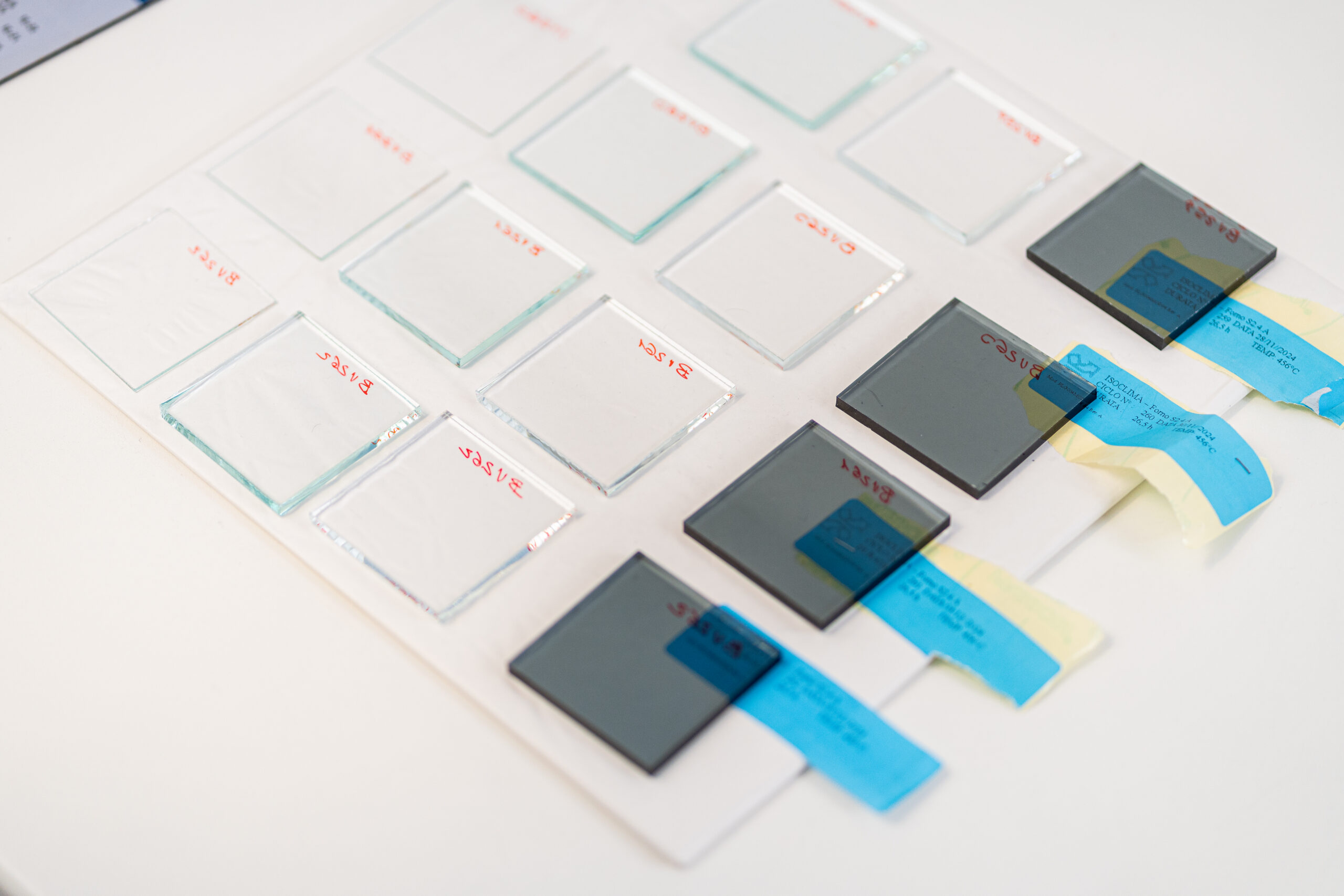
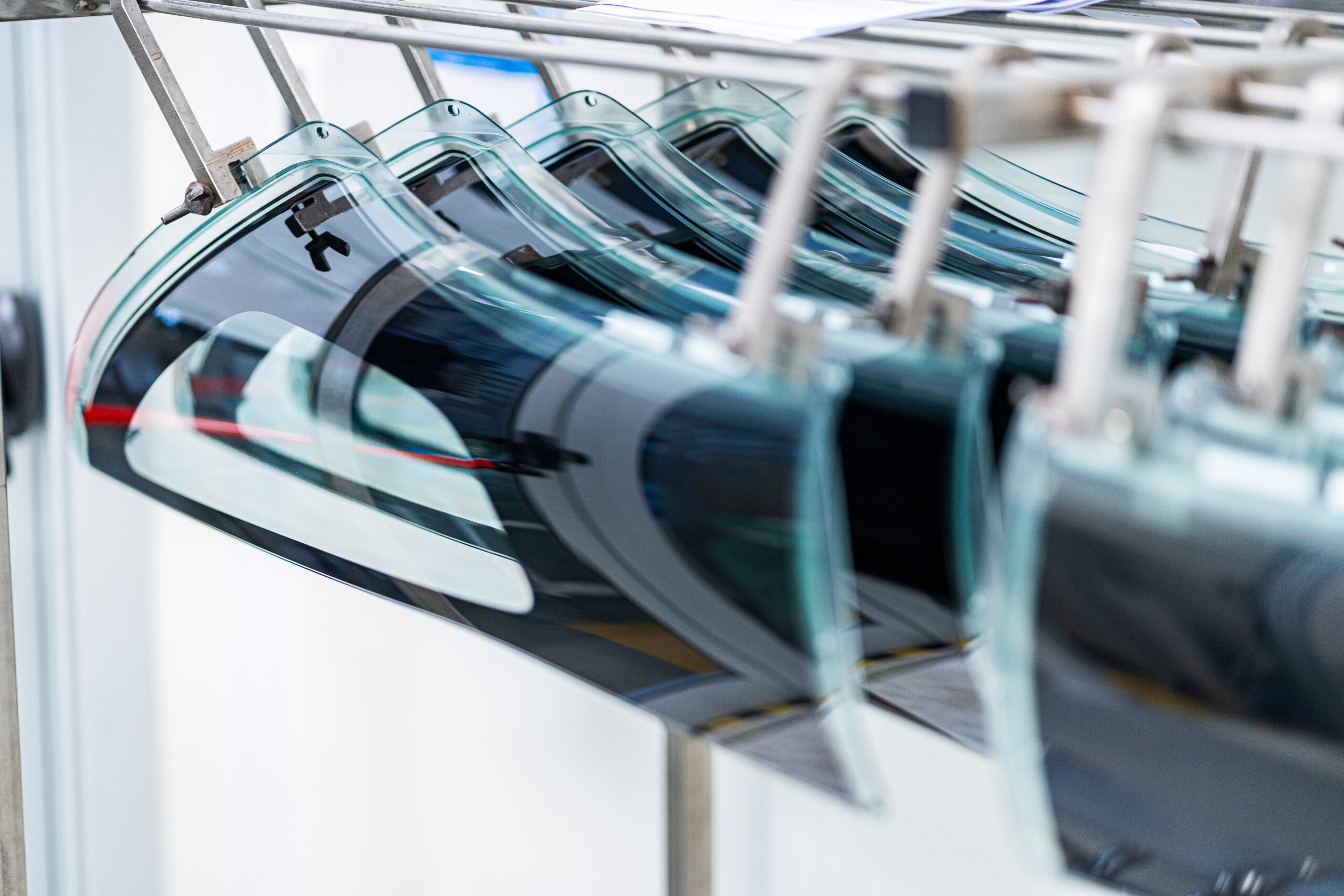
Ballistic glass is a laminated glass made up of several panes and polymeric interlayers bonded together through a lamination process. The combination of different materials absorbs and dissipates the energy of the projectile, which is progressively stopped within the structure. In the most advanced configurations, polycarbonate or other technical materials are added to the glass layers, in order to achieve the required level of protection with the lowest possible weight and thickness.
The term bulletproof is often used improperly, because no glass offers absolute protection. The more accurate definition is bullet-resistant glass. The level of resistance is established through laboratory tests defined by international standards, which set the calibre, velocity and number of shots. In Europe the reference is the EN 1063 standard, which classifies glazing from BR1 to BR7 for firearms and from SG1 to SG2 for shotguns.
Civil applications (banks, embassies, buildings)
In the civil sector, ballistic glass meets passive security needs, offering protection without resorting to opaque barriers. The most common applications include:
- banks and post offices, for counters, cash desks and public access areas;
- embassies, consulates and diplomatic premises, where perimeter security is an essential requirement;
- government buildings, courthouses and institutional headquarters;
- jewellery stores, vaults and exhibition spaces housing high-value assets;
- critical infrastructure and the premises of strategic companies;
- armoured vehicles for cash-in-transit and the protection of individuals.
In security architecture, ballistic glass is integrated into façades, window frames, doors and partition walls, preserving the transparency and the aesthetics of the building. Each installation requires a preliminary risk assessment to identify the appropriate resistance class. The design must also consider the system as a whole, because protection depends on frames, anchoring and gaskets as well. For this reason, glazing is tested together with the frame that houses it, in accordance with the EN 1522 standard for doors, windows and shutters.
Military and defence applications
In the military and defence sector, ballistic glass is a critical component. It is used on tactical and armoured vehicles, troop transport vehicles, aircraft, helicopters, vessels and fixed control posts. In these contexts it must ensure crew visibility even in extreme operating conditions, protecting against small arms, fragments and, in the most advanced configurations, higher-energy threats. The choice of laminate stack depends on the reference threat, the available space and the maximum weight allowed by the vehicle.
Compared with civil applications, conditions of use are more demanding. The glazing must withstand temperature swings, vibration, humidity, UV radiation and prolonged mechanical stress, without losing transparency or structural integrity. Weight is also a determining factor, as it affects the range and performance of the vehicle, as is compatibility with night vision systems and other on-board equipment.
Differences from standard bullet-resistant glass
Standard bullet-resistant glass is designed for civil and commercial contexts and meets the requirements set by the standards for building security. Ballistic glass for professional and military use takes a broader design approach, which starts from the operational requirements of the customer and not only from a resistance class. The main differences concern:
- protection levels, which in the defence sector include high calibres, armour-piercing ammunition and fragments;
- thickness and weight, optimised through the use of advanced materials;
- spall control, meaning the projection of fragments on the protected side;
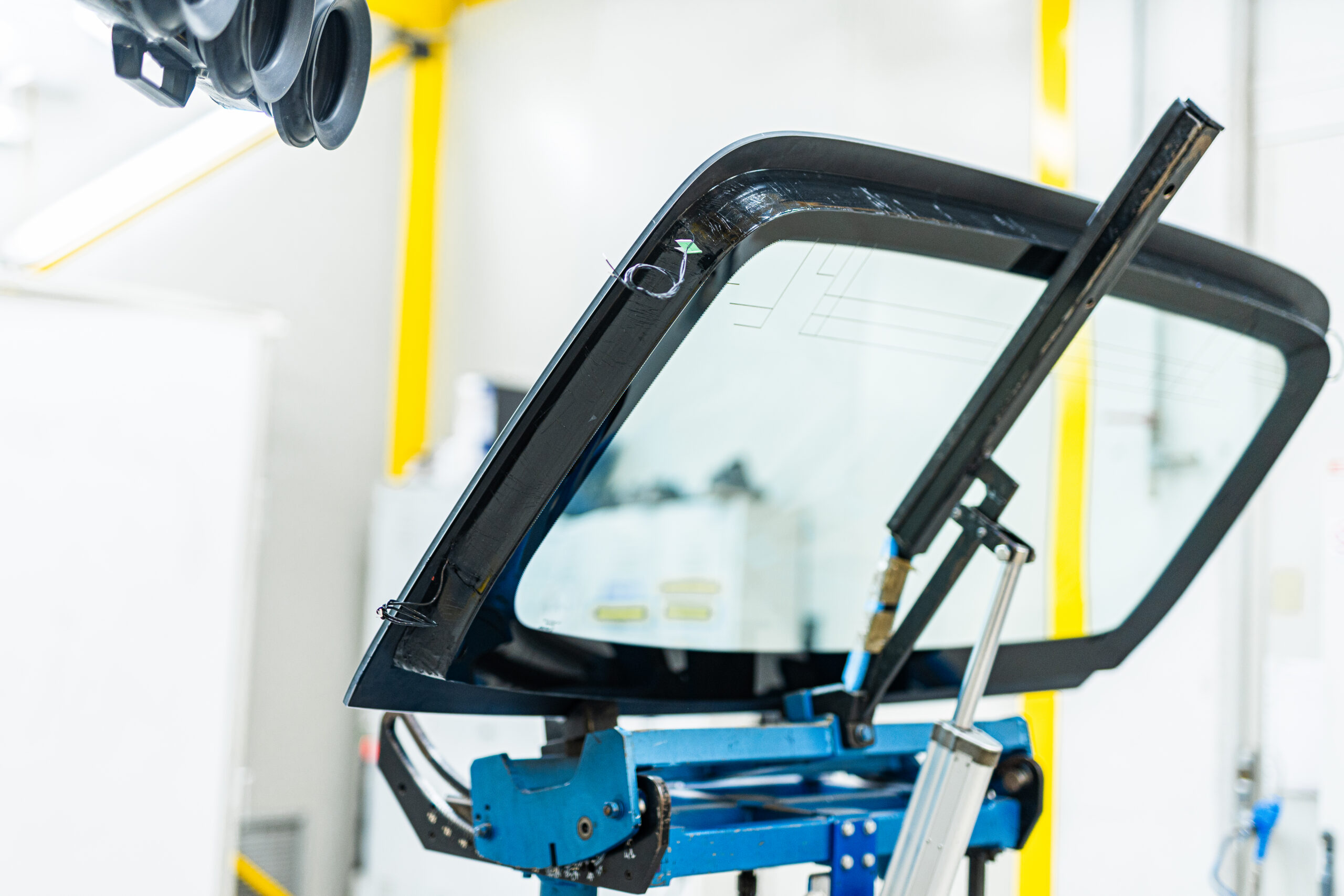
- customisation of shape and curvature, and integration with heating and electronic systems.
Technical specifications for defence
In the defence sector, performance is assessed against specific standards and the technical specifications of individual programmes. Among the main references is NATO’s STANAG 4569, which defines the protection levels of vehicles against ammunition, fragments and mines. The following parameters are also taken into account:
- ballistic protection class and multi-hit capability, meaning the ability to withstand several closely spaced shots;
- spall reduction;
- weight per square metre;
- light transmission and absence of optical distortion;
- resistance to extreme temperatures, marine environments, abrasion and chemical agents;
- production of complex geometries and curved surfaces.
Isoclima Group is global leader in the design and manufacturing of high-performance transparent solutions for applications across sectors such as Defence and security, Aerospace, High Performance Cars, Yachting, Rail, and Security Architecture. Isoclima develops customized solutions that combine the highest standards of safety, design, and reliability. To identify the most suitable solution for your project, please contact our technical and commercial team.