Innovation & Tech
4 min read

Isoclima Group
23/09/2026
Share this post

How Railway Windows Are Made
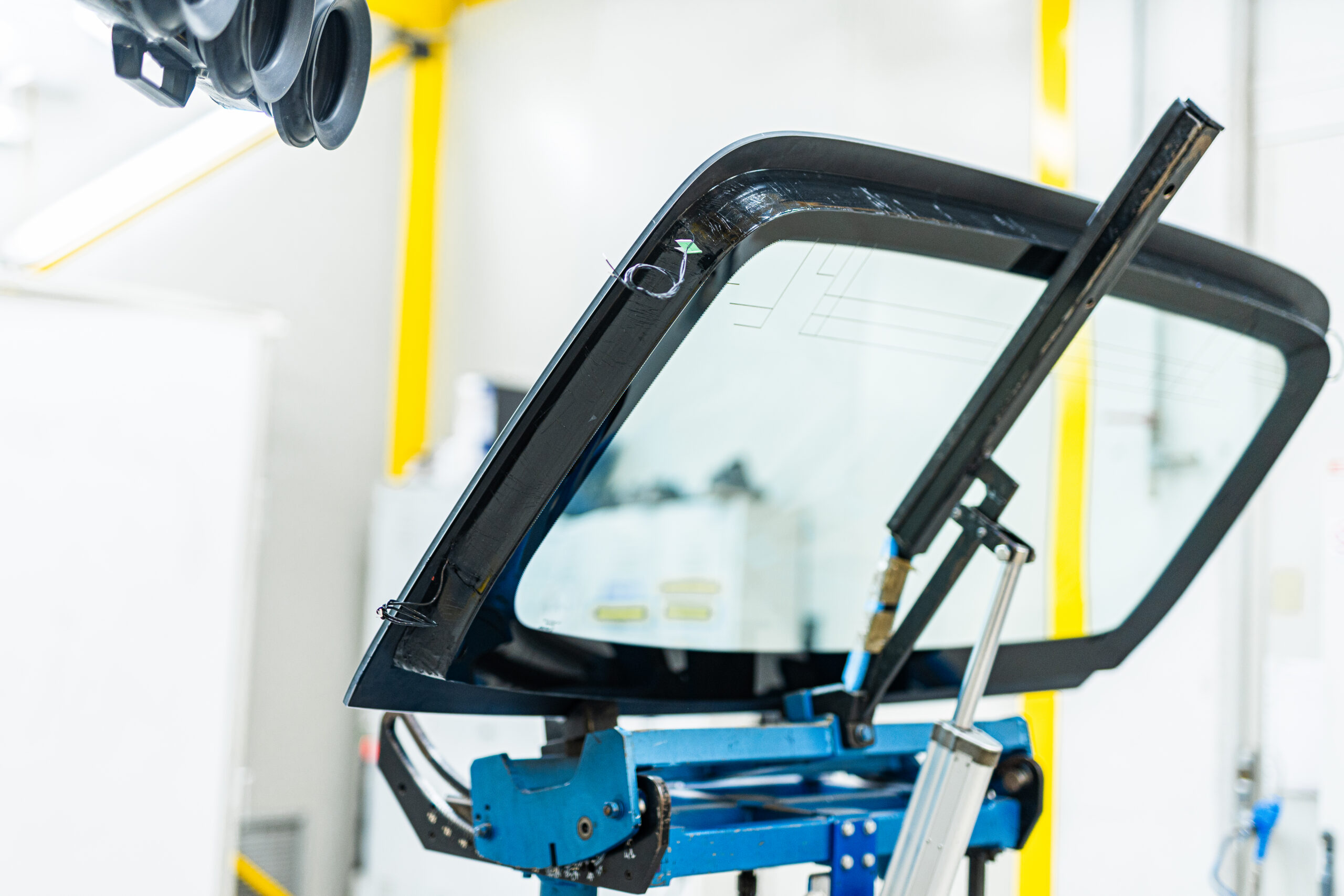
Train windows are not simply transparent surfaces intended for viewing the landscape. They are structural components designed to guarantee passenger safety under every operating condition, from ordinary running to the most demanding accidental events.
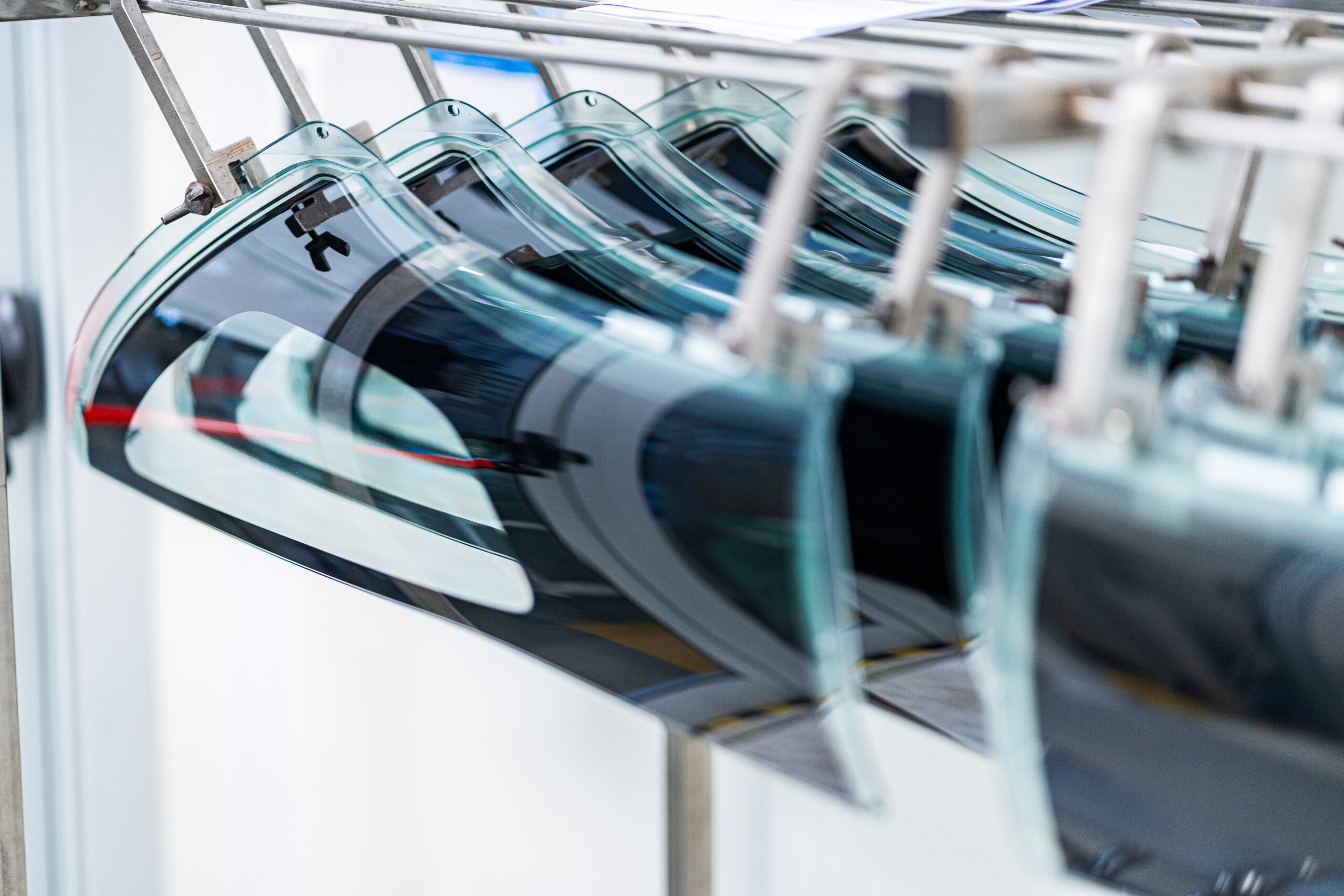
Each railway window consists of multiple layers bonded together through high-precision lamination processes. This multi-layer structure distributes mechanical stress over a wide area, reducing the risk of sudden fracture and limiting the formation of dangerous fragments in the event of breakage.
The design accounts for numerous factors: the pressure generated when high-speed trains pass each other, vibrations arising from the movement of the train, temperature fluctuations, and prolonged exposure to UV radiation. Every component undergoes thorough testing before installation, with the aim of ensuring consistent performance throughout the vehicle’s entire service life.
Materials: Laminated Glass, Acrylic
The two main materials used in the production of railway windows are laminated glass and acrylic sheets, each with specific characteristics depending on the application.
Laminated glass consists of two or more layers of glass bonded together with a polymeric interlayer, typically PVB (polyvinyl butyral) or resins specifically formulated for railway use. This material offers high mechanical strength, good optical clarity, and predictable behavior in the event of breakage: the glass layers tend to fracture into fragments held in place by the interlayer, reducing the risk of injury.
Acrylic sheets, particularly polycarbonate and PMMA (polymethyl methacrylate), are used mainly in applications where reduced weight is a significant advantage. These materials offer excellent impact resistance and good workability, though they require specific surface treatments to ensure scratch resistance and long-term stability.
The choice between laminated glass and acrylic solutions, or hybrid combinations of the two materials, depends on the type of train, its operating speed, and the regulatory requirements applicable to the specific project.
EN 15152 Regulations
The main regulatory reference for windshield intended for railway rolling stock is EN 15152, the European standard that defines the technical requirements and test methods for windshield installed on railway vehicles, including high-speed, regional, and metro trains.
The standard sets out detailed criteria relating to:
- mechanical strength and behavior in the event of breakage;
- optical properties, including transparency and absence of visual distortion;
- fire behavior, with specific reaction-to-fire requirements;
- resistance to weathering and aging;
- test procedures for verifying compliance.
Compliance with EN 15152 is an essential requirement for manufacturers operating in the European railway sector, as regulatory conformity affects the homologation of the entire vehicle. The standard is further complemented by additional requirements set out in the individual technical specifications of rolling stock manufacturers and infrastructure operators.
Impact and Vandalism Resistance
Beyond the basic regulatory requirements, railway windows must address specific challenges linked to daily use on high-traffic networks. Resistance to accidental impacts, such as collisions with debris or wind-borne objects, is a fundamental requirement, as is resistance to vandalism, unfortunately a frequent occurrence on railway and metro networks.
To meet these needs, manufacturers develop solutions featuring additional reinforcement layers or anti-scratch and anti-abrasion surface treatments. Some configurations include safety films applied to the inner surface, capable of retaining fragments even in the event of severe damage, thereby reducing the risk to passengers and limiting maintenance costs associated with frequent component replacement.
The ability to withstand attempted break-ins or intentional damage is verified through specific tests that simulate repeated mechanical stress and localized high-energy impacts.
Regional Trains vs High-Speed Trains
Performance requirements for windows vary significantly depending on the type of train. On regional trains, subject to intensive use and a higher risk of vandalism in urban and suburban areas, emphasis is placed on abrasion resistance, ease of replacement, and durability under demanding operating conditions.
On high-speed trains, on the other hand, windows must withstand significantly greater aerodynamic and pressure stresses, generated by trains passing each other at high speed and by travel through tunnels. In these contexts, mechanical strength, dimensional stability, and acoustic performance take on particular importance, requiring more technologically advanced solutions and optimized multi-layer configurations.
In both cases, window design represents a balance between regulatory requirements, operational needs, and passenger safety, factors that drive the development of increasingly high-performing solutions in the rail transport sector.