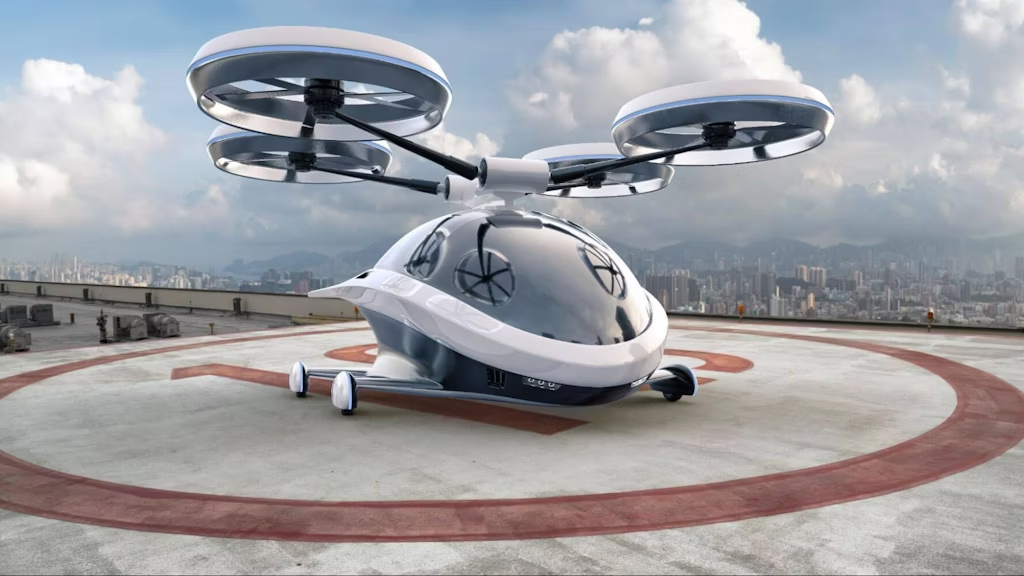
A blend of a helicopter and drone, electric vertical take-off and landing (eVTOL) is propelling the low-altitude economy forward.

The so-called “low-altitude economy” is an emerging and fast-growing economic sector focused on activities, businesses, and services operating in the airspace below 3,280 feet. This new frontier is largely being driven by the rise of eVTOLs—electric vertical take-off and landing vehicles.

According to BofA Global Research, civil adoption of eVTOLs worldwide could increase by as much as 62% between 2025 and 2030. Positioned somewhere between a helicopter and a drone, eVTOLs offer several advantages: they are safer, more environmentally friendly, quieter, and more cost-effective than traditional helicopters.

Technically, an eVTOL is made up of five key systems: power, avionics, structure, energy and thermal management, and assembly components.

The potential applications for eVTOLs are wide-ranging. BofA identifies six main use cases: public security, logistics and delivery, emergency medical and firefighting operations, tourism, urban commuting, and intra/intercity transportation.

Link: https://institute.bankofamerica.com/transformation/low-altitude-economy.html

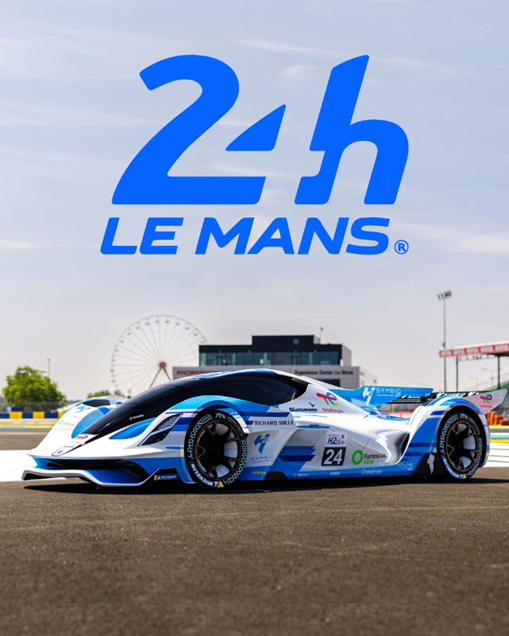
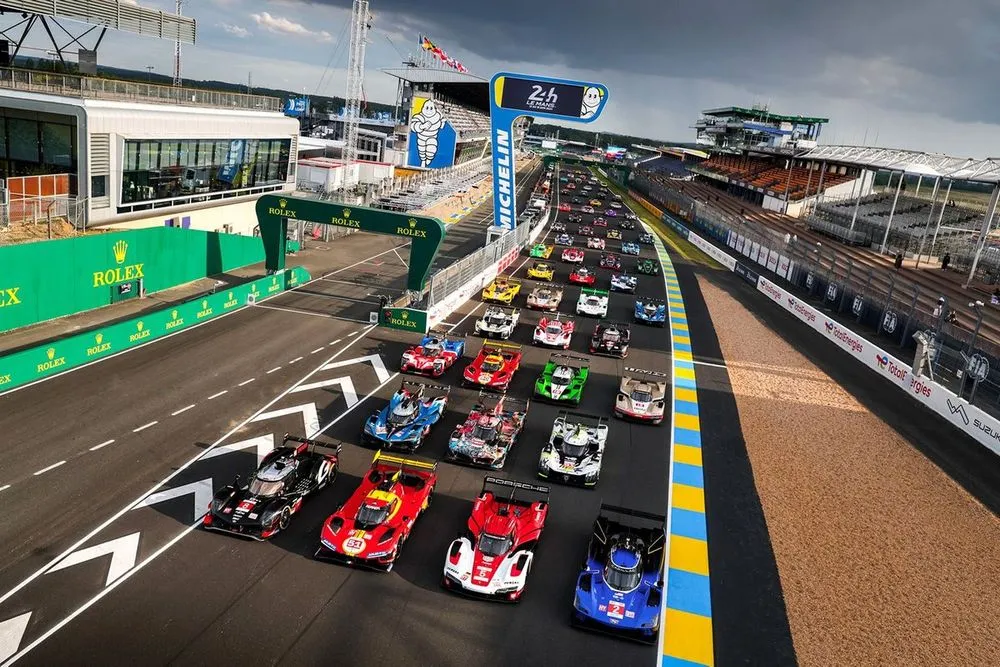
From June 14 to 15, 2025, Isoclima is proud to take part in the 93rd edition of the 24 Hours of Le Mans, the world’s most iconic endurance race. This legendary event represents not only a celebration of motorsport excellence but also a vital testing ground for the technologies that will define tomorrow’s mobility. As a proud partner of MissionH24, Isoclima is once again at the forefront of the transition toward a more sustainable, high-performance future.

Le Mans has always been a race where innovation meets resilience. It’s where groundbreaking advancements—hybrid engines, laser headlights, regenerative systems, and now hydrogen—are pushed to the limit before entering our everyday lives. In this context, Isoclima’s presence reinforces its role as a catalyst for transformation, applying its transparent, high-performance solutions to the most extreme challenges and shaping the frontiers of tomorrow’s transportation.

This year, our commitment to innovation is embodied in our contribution to the Hydrogen Village, inaugurated on June 11, where cutting-edge hydrogen-powered technologies will take center stage. This space isn’t just an exhibition—it’s a statement of intent: a commitment to a cleaner, more responsible future, aligned with our core values of sustainability and excellence.

But Le Mans is not only about machines—it’s about people. The race is the ultimate test of endurance, demanding peak mental focus, physical resilience, and an unbreakable spirit. It’s this very essence—human strength combined with technical ingenuity—that inspires our work across every industry we serve: from automotive to defense, from yachting to architecture.

Isoclima’s participation in this global event is a declaration of purpose. We are here not only to support innovation but to help shape it. Our presence at Le Mans highlights how our cross-sector expertise merges to deliver groundbreaking solutions that are as functional as they are visionary. It is through this blend of passion, engineering, and collaboration that we continue to drive progress in every sector we touch.

From the city-center Parade of Cars on June 7, to the exclusive ACO Presidential Dinner on June 13, and the official race start on June 14, Isoclima’s journey at Le Mans is a celebration of technology, human challenge, and the will to move forward.

At 24 Hours of Le Mans 2025, we’re not just following the future of mobility—we’re helping build it. And we’re doing it where legends are made.

Let’s drive it forward. Together.

The UK government pledges £86 billion over four years (≈£22.5 bn/year) to fuel R&D in AI, energy, life sciences, semiconductors, and regional innovation, with targeted investments in Liverpool, Northern Ireland, and South Wales.

Link: The Guardian

In a wide-ranging interview with China’s Bastille Post (via CCTV), Busch emphasizes four major innovation trends reshaping industry: circular economy, AI-native systems, quantum computing, and fusion. He observes AI agents penetrating all markets and predicts future managers will oversee both humans and AI—while also highlighting the importance of resource recycling and sustainability.

Link: Bastille Post – Siemens CEO shares insights on emerging technology innovation trends 

Este, [May 6, 2025] – Isoclima Group, a global leader in the design and production of high-performance transparent solutions, proudly announces it has achieved TISAX® (Trusted Information Security Assessment Exchange), the recognized information security benchmark in the automotive sector, awarded by ENX Association on behalf of the VDA (German Association of the Automotive Industry).

This significant milestone certifies Isoclima’s excellence in implementing an Information Security Management System designed to ensure the confidentiality, integrity and availability of its information assets and business systems.

It underscores the Group’s focus on protecting customer trust, safeguarding its reputation and financial performance and securing operational resilience across its global operations.

To achieve TISAX®, Isoclima adopted internationally recognized best practices, defined clear roles and responsibilities at all organizational levels. The Group implemented appropriate measures for physical, logical, and organizational security, established structured awareness and training programs for its personnel, and set up response and management processes for potential information security incidents. Furthermore, Isoclima has committed to a continuous improvement approach, constantly enhancing its information protection systems to prevent emerging threats.

The TISAX® was awarded not only for Isoclima S.p.A. Italian facilities but also for the Lipik production site in Croatia, with different levels of protection, reinforcing the Group’s global approach and its ability to maintain high security standards.

“Achieving TISAX® label further strengthens our position as a trusted partner for customers worldwide,” said Liviana Forza, CEO of Isoclima Group. “In a rapidly evolving global scenario where information security is essential, we are proud of this result that certifies our reliability.

TISAX® is a registered trademark governed by ENX Association. TISAX® results are not publicly accessible and are exclusively retrievable via the ENX portal (https://enx.com/tisax).

About TISAX®

TISAX® (Trusted Information Security Assessment Exchange) is an international standard developed specifically for the automotive industry to ensure the protection of sensitive information exchanged between manufacturers (OEMs) and suppliers. Based on the requirements of the Information Security Assessment (VDA ISA), TISAX allows companies to demonstrate their level of information security through industry-recognized assessments. The system is managed by ENX Association on behalf of the VDA, promoting a common and transparent approach to information security throughout the automotive value chain.

Electrical and electronic devices have become widespread in our daily lives, both in the workplace and in private settings. The use of these devices triggers a growing and increasingly important interest in electromagnetic interference, a phenomenon for which protecting data and/or people is essential. Before understanding how the process aimed at shielding from electromagnetic waves works, let’s first discover the subjects affected by this phenomenon.

Electromagnetic interference can be natural (e.g., lightning) or artificial (e.g., printed circuits, industrial systems, etc.).
The presence of these sources of disturbance generates electromagnetic fields that, when interacting with nearby devices, cause malfunctions.
People are also exposed to electromagnetic fields, and although there are no definitive scientific studies on their health effects, regulations exist that impose limits on exposure to these fields.

Engineering in Brief

Electrical engineering is the discipline concerned with shielding objects and people from electromagnetic waves, and this field is gaining increasing interest. The focus of attention on the emission of electromagnetic waves concerns the effects and issues these waves cause, and how and to what extent things can be immune to their propagation. This is why it is necessary to delve into electromagnetic shielding, which involves creating a type of barrier capable of reducing the emission of a source. This shielding protects outgoing data and is required in many contexts, some of which may seem unimaginable. For example, shielding is required in the maritime sector, on ships transmitting and receiving sensitive data, and in particular sectors such as aerospace and aeronautics, where there is not only a high level of privacy but also complexity in the information being transmitted, which cannot be compromised in any way.

Have You Ever Heard of the Faraday Cage?

The practice of shielding from electromagnetic waves essentially involves the creation of a simple shielding system called the Faraday cage.
Electromagnetic shielding aims to reduce the electromagnetic field in a specific space by blocking it with barriers made from conductive or magnetic materials. Naturally, every situation requires a specific application, and in cases where the magnetic fields vary slowly below 100 kHz of frequency, special magnetic materials are needed to more effectively replace the Faraday cage.
For us, electromagnetic shielding is guaranteed by Emigard®, our multilayer product designed to perfectly protect data and people from electromagnetic waves.

Working on high-profile projects like this is always a great honor because it allows us to engage with creations that stand out for their uniqueness and distinctiveness.

In the design and production of glass for the naval sector, there are numerous dynamics we need to address: from the technical-mechanical aspects of the surface to the more “creative” side, which concerns the yacht design to which the glass is destined. Sanlorenzo, a leading company that has been building yachts since 1958 with a “boutique” philosophy of great class and elegance, chose us to design glass for the first model of the new Sanlorenzo SP110 open line, which was born with the desire to offer maximum performance with minimal consumption.

Lightweight Glass and Supreme Quality

Sanlorenzo’s goal was clear from the very beginning: to create a yacht that offered high power while keeping fuel consumption low. We then designed glass for the naval sector where the ingenuity of our R&D department played a key role.

The latest technologies developed in our facilities enabled us to select the right processes and materials to meet the client’s demands, achieving an important milestone in terms of reducing the overall weight of the vessel. Once the work was completed, we realized how essential our contribution was in kickstarting a new generation of yachts: more powerful, more incredible, and undoubtedly more sustainable.

Reducing Consumption Without Compromising Performance

Reducing the consumption of a vessel requires substantial technical knowledge. It is a design process that has different objectives, demanding various skills. The glass we created for the Sanlorenzo SP110 was specifically designed to reduce fuel consumption, increase yacht performance, and make the yacht eco-friendly with a minimal environmental impact.

We succeeded by designing a laminated glass with UV protection that offers exceptional visibility and clarity on board. Additionally, the Sanlorenzo SP110 yacht features our VisionPlus®, innovative glass surfaces that match the color and design of the yacht.

The dimensions were also significant, as was the project as a whole: the requested glass length of 5 meters did not prevent us from lightening it, receiving approval from the naval registers.

On February 26, 2025, the European Commission revisited the topic of sustainability, with the clear objective of simplifying previous regulations and reducing bureaucratic burdens.

In recent years, the EU has played a pioneering role in corporate sustainability regulation, introducing measures such as the Corporate Sustainability Reporting Directive (CSRD) and the Corporate Sustainability Due Diligence Directive (CSDDD), aimed at ensuring greater transparency and accountability in business activities. However, the administrative burden of these regulations has drawn significant criticism, especially from small and medium-sized enterprises, which cite excessive costs and bureaucratic complexity.

The most recently introduced directive, EU Omnibus, encompasses a package of textual amendments and revisions to existing measures.

With this proposal, the European authorities aim to lay solid foundations for improving business competitiveness by responding to increasing pressure from the business sector, fostering economic growth and innovation, and attracting more capital toward sustainable investments. The challenge lies in balancing ambitious sustainability goals with the practical needs of market players.

Within the EU Omnibus directive, a series of amendments are proposed to simplify sustainability reporting obligations for European companies.

As for the CSRD, the main proposals include:

  • Postponing the application from 2026 to 2028;
  • Maintaining the concept of double materiality (financial and social) as a mandatory strategic exercise;
  • Revising eligibility thresholds: the CSRD would apply only to companies with more than 1,000 employees and revenue exceeding €50 million or a balance sheet above €25 million. Smaller companies may adopt a voluntary standard (VSME);
  • Limiting data collection obligations by removing the requirement to collect data from suppliers not subject to the CSRD;
  • Abolishing the initially foreseen sector-specific standards;
  • Revising the ESRS (European Sustainability Reporting Standards), likely reducing the volume of data to be collected.

Regarding the CSDDD, the key proposals include:

  • Postponing the application from 2027 to 2028;
  • Limiting due diligence obligations to direct business partners, excluding the entire value chain;
  • Modifying the frequency of reporting requirements, proposing evaluations every five years instead of annual monitoring;
  • Removing the requirement for fines to be proportional to company turnover. Member States may still impose penalties, with the European Commission offering guidance on appropriate amounts;
  • Transition plans are recommended but will no longer be mandatory.

On Thursday, April 3, 2025, fulfilling previous promises, the European Parliament adopted the “Stock the Clock” directive, delaying the entry into force of the CSRD by two years and the CSDDD by one year. A public consultation was also launched, running from February 26 to March 26, 2025, concerning proposed amendments to the delegated acts of the Taxonomy Regulation. Key points include:

  • A 70% reduction in required reporting templates and the introduction of a financial materiality threshold;
  • Under certain conditions, non-financial companies may be exempted from reporting OPEX indicators;
  • Non-financial companies with fewer than 1,000 employees will be exempt from calculating key performance indicators (KPIs).

Meanwhile, all other planned changes to the CSRD and CSDDD will be discussed at a later stage before implementation.

The adoption of the Omnibus package, representing a compromise between sustainability and competitiveness, will have significant international repercussions—particularly concerning the EU’s global competitiveness, trade relations, and political positioning.

Europe must now navigate a complex game of opposing pressures in its sustainability journey. On one hand, easing reporting requirements could improve the EU’s attractiveness to investors, narrowing the gap with countries like the United States and China, where regulations are less stringent. On the other hand, it risks compromising the EU’s leadership in sustainable regulation. Similarly, simplifying the CSDDD may reduce pressure on multinationals working with suppliers in developing countries, but it could also weaken the EU’s ability to enforce higher environmental and social standards.

The package may be perceived as a win for industrial lobbies, which have long advocated for reduced red tape. However, it risks alienating environmental groups and transparency advocates, who view these changes as a step backward from the goals of the European Green Deal.

Ultimately, the EU Omnibus package marks a turning point in the European sustainability strategy. The European Commission’s proposal to simplify existing rules and reduce bureaucratic burdens responds to a concrete need voiced by many economic players, particularly SMEs, often overwhelmed by complex and costly compliance requirements. This legislative intervention seeks to rebalance ambition with feasibility, ensuring that Europe remains fertile ground for growth, innovation, and investment attractiveness—without abandoning the core principles of the Green Deal.

The real challenge, however, will lie in the effective implementation of these changes and their ability to preserve—or even strengthen—the EU’s leadership in sustainability regulation. The risk is twofold: excessive deregulation could undermine the credibility and impact of European environmental and social policies, while overly rigid rules may hinder economic development and international competitiveness.

At Isoclima, we believe that genuine sustainability is not about compliance alone, it’s about making impactful changes where it matters most. While we remain committed to meeting reporting requirements, our focus extends far beyond the mere act of disclosure. We aim to embed sustainability deeply into our operations, culture, and strategic decision-making,” says Meron Solomon Hussen, Corporate Sustainability Program Manager of Isoclima Group. “The proposed changes present an opportunity for companies to reflect on their true intentions. Are we merely chasing compliance, or are we actively working towards meaningful progress?” she continues, “At Isoclima our answer is clear: we are committed to building a sustainable future not because regulations demand it, but because it is the right thing to do. We also believe that this moment presents an opportunity to reshape the conversation around corporate sustainability. While compliance will always be a component of responsible business, we should not let it overshadow the broader mission of building a healthier planet for future generations. Even as we await final approval of the proposal, our commitment to sustainability remains firm. We will continue to report on our progress, but more importantly, we will continue to take concrete steps toward building a genuinely sustainable business. Now is the time to demonstrate that true sustainability leadership goes beyond compliance—it is about purpose, responsibility, and action.”

The task ahead is to build a balanced sustainability model, capable of addressing the needs of all stakeholders: institutions, businesses, investors, citizens, and the environment. A continuous, transparent, and constructive dialogue among these actors will be essential for Europe to truly lead the transition toward a more sustainable, equitable, and resilient future—leaving no one behind.
As a company specializing in high-performance transparent solutions for the defense and security sector, in the first quarter of 2025, we participated in Enforce Tac, one of the most renowned events in the global military industry.

We want to take this opportunity to highlight Unmanned Vehicles, particularly UAVs and UASs, a category of technologies that took center stage in many of the expert discussions at the event.

In the defense and security fields, terms like these are often heard, but the exact meaning may still be unclear to some. Unmanned Vehicles are vehicles that operate without a human crew. This category includes aerial (UAV), ground (UGV), surface (USV), and underwater (UUV) vehicles, all designed for missions where human presence would be risky or inefficient.

UAVs (Unmanned Aerial Vehicles), better known as drones, are unmanned aircraft used for surveillance, monitoring, and intervention operations. The term UAS (Unmanned Aerial System) refers to the entire system, including the drone itself, the ground control station, software, and all supporting technologies needed for operation. These systems have become an essential part of modern defense and security strategies.

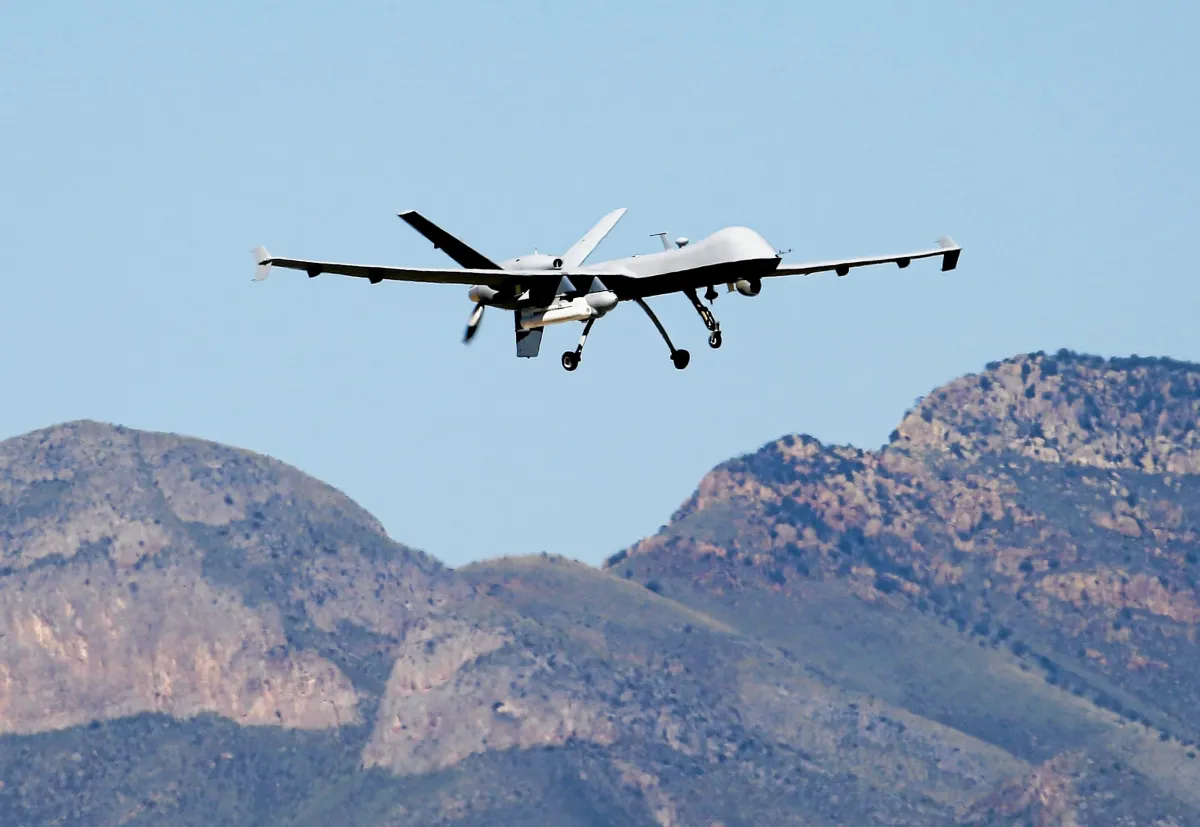
In the military domain, drones have evolved more rapidly than any other technology. The first defensive drone, Predator, dates back to 2001—a large American drone with a simple architecture inspired by the target drones used in training. Initially unarmed, its purpose was to serve as an extension of the human eye, collecting intelligence from a distance.

To understand how and why the Predator evolved into an armed system, consider the CIA’s operations in the Middle East. While attempting to track Taliban movements in Afghanistan, agents were often forced to watch ambushes unfold without being able to intervene. This led to the development of armed drones, a groundbreaking tool for counterterrorism efforts, enabling military action without a direct on-ground presence.

In this scenario, Turkey emerged as a pioneer, developing smaller, lighter, and more efficient drones. These models entered the market at a more affordable price than their American counterparts and were not limited to niche users. Thanks to Turkish innovation, UAVs became an indispensable part of military operations worldwide.

The latest development, called Drago, has been deployed in recent conflicts. To give a sense of scale, it’s estimated that over 100 drones silently patrol every kilometer of territory in conflict zones, always ready to strike.

Moving beyond UAVs, the military has begun integrating small ground robots. These robots are not only tasked with delivering supplies and medical aid on the battlefield but also with laying mines—evolving from simple logistical tools into active weapons of offense. Interestingly, ground vehicles often become targets for aerial drones, creating a sophisticated network of action and counteraction aimed at neutralizing enemy presence.

This same concept applies to marine drones, with some designed for attack, others for protecting offensive units, and yet others for recovering damaged systems. The widespread use of drones is largely due to their low cost and ease of use, features that explain their increasing adoption by terrorist and criminal groups.

The future becomes even more complex with advanced studies already underway in Turkey to develop fully autonomous fighter jets capable of performing maneuvers once thought impossible for human pilots. A clear indication of a future that is already taking shape.

In this rapidly evolving landscape—where technology meets operational needs—Unmanned Systems are not only a strategic opportunity but also a complex challenge. Their growing presence and constant improvements place new responsibilities on the defense sector, particularly in ensuring their controlled and deliberate use.

As renowned war correspondent Robert Fisk once said:

“War has become a technological issue. And the more sophisticated technology becomes, the easier it is to forget that human lives remain at the heart of it.”

This reflection is more relevant than ever, especially when it comes to unmanned systems, where automation sometimes risks overshadowing the weight of human decision-making.

Looking ahead, it’s essential to maintain an ongoing dialogue between industry, government, and research institutions. Innovation must never be an end in itself, but a means to create a safer, more responsible world.

From June 16 to 22, 2025, Isoclima Group is proud to announce its participation at Paris Air Show, the world-class event that brings together aerospace pioneers. With an even larger stand, we will be located in Hall 1, Stand G-321, showcasing the cutting-edge performance of our transparent solutions that are redefining industry standards.

This year, Paris Air Show will continue to be the heartbeat of innovation, a meeting ground for visionaries and industry leaders. In this context, our presence will stand out for its ability to anticipate and shape the future of the industry, bringing not only the most outstanding technologies but also a vision of tomorrow that is already a reality. The expansion of our stand reflects our commitment to pushing the boundaries of what is possible, integrating expertise from the most traditional to the most innovative sectors, creating solutions that meet the challenges of a constantly evolving world.

The event offers an unparalleled platform to discuss crucial topics such as sustainability, a concrete and uncompromising commitment that lies at the core of our mission to build a transparent, sustainable future, where every innovation we present not only optimizes performance but also protects what truly matters. Every technology we showcase is the result of a continuous pursuit of perfection, balancing performance and responsibility, innovation and sustainability.

At Paris Air Show 2025, our goal is clear: to consolidate our technological leadership by not just showing what we do, but revealing how our multisectoral capabilities intertwine and transform into extraordinary solutions. Our strength lies in the fusion of diverse experiences and the creation of synergies across the most advanced sectors: aerospace, defense, urban mobility, yachting, and architecture. This enables us to be not just reactive, but proactive, responding swiftly to global challenges with vision, boldness, and precision.

It’s not just about innovation; it’s about redefining the standards for the future. And this year, at Paris Air Show, we will share our commitment with the world, inviting anyone ready to write the future of aerospace to join us on this journey toward new possibilities.

Join us at Hall 1, Stand G-321 to discover how we are shaping the future of the aerospace industry and how we can build it together. Our vision is ready to take off, and we invite you to be part of it.