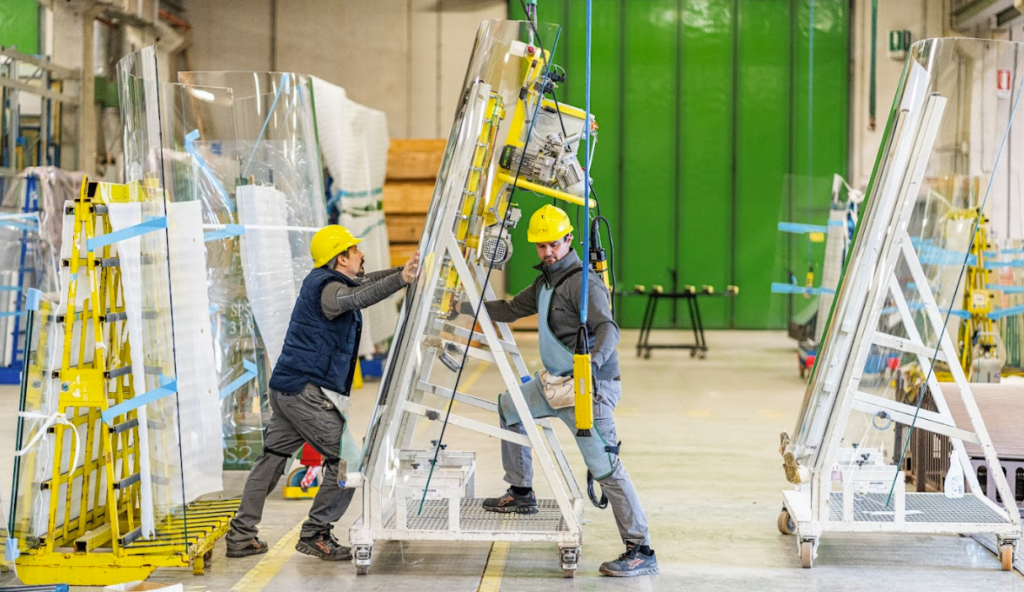
In 2022, the group reaffirms its leadership in the bulletproof glass sector

“2022 is proving to be a year of resurgence for Isoclima, following the difficult period we all faced in the previous two years. But at the same time, it is a year of consolidation and marks a crucial step toward a five-year period of growth in markets and niches that align with the company,” says Daniele Santi, Commercial Director of Isoclima, thus emphasizing the Group’s leadership in the production of high-quality glass and transparent surfaces, highly technological products that stem from an engineering process undertaken in collaboration with the customer. “We are experiencing exponential growth in the nautical sector, which is driving us to organize strategic activities for adapting our organization and plants,” Santi explains. “More generally, I can confirm that our focus is increasingly on the future: we’ve been innovating since 1977, the year the company was founded, and we’ve never stopped embracing challenges.”

Today, Isoclima Group operates 7 production plants, holds 120 patents, employs 1,100 people (with 100 new hires in the first quarter of 2022), serves over 500 customers, and produces 500,000 square meters of glass. Specifically, the company provides transparent solutions for protection – in glass, polycarbonate, or acrylic – for applications ranging from armored vehicles to helicopters, luxury cars to yachts, rail transport to aerospace.

The company’s expansion began in the mid-1990s with the acquisition of other major glass industries in Mexico, and in the early 2000s, in Croatia. Since 2017, the entire multinational group has been part of the Stirling Square Capital Partners investment fund. In 2021, the company acquired the U.S. firms Dlubak Specialty Glazing Corporation (Pennsylvania) and Global Security Glazing (Alabama), which were merged under the single control of Isoclima Specialty Glass LLC.

But how is glass made resistant to impacts and mechanical stresses? “There are essentially two processes that allow this: chemical tempering and thermal tempering,” explains Santi. “Chemical tempering works differently from thermal tempering, although the final product is the same. At Isoclima, we decided to invest in chemical tempering because it is more aligned with our core business. On this front, 2022 represents an important turning point for us. We installed, at our Este plant, a facility capable of processing sheets up to 10 meters long. It is undoubtedly the largest plant in Europe, if not worldwide. And the results were immediate: the laminated spherical glass destined for the naval sector is a high-engineering and aesthetic product with unique characteristics, such as multi-radius 3D curvature, perfectly aligned and precise dimensions and geometries, ensuring a final performance that unmistakably bears our signature.”

But that’s not all. “Sustainability is also part of our strategic development plan, and its annual performance is communicated through the ESG Report. There are numerous ongoing projects and initiatives guiding us on a virtuous path of designing sustainable products, both by responding to market demands and by supporting customers in pushing in this direction, along with fostering a virtuous internal behavior,” concludes Santi.

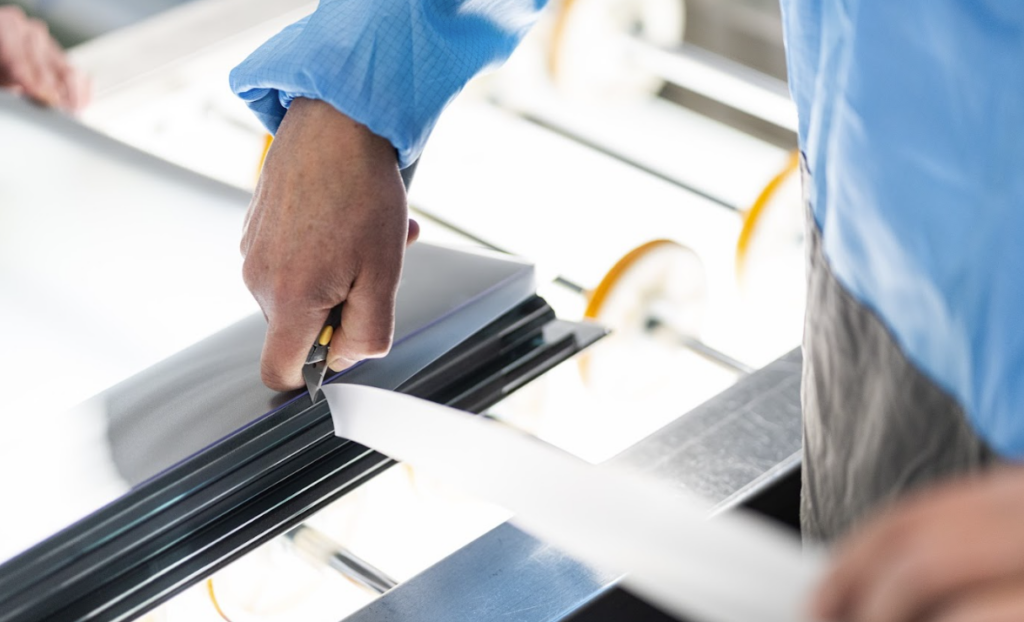
When global warming, resource waste, limited availability of resources, and the urgent need for companies to adopt environmental protection policies were just small snippets in the news rather than front-page headlines, we had already embarked on the path of sustainable glass production.

In this and many other areas, we can proudly say that we are at the forefront. From the start, our products have followed the footsteps of a company that is constantly evolving in terms of technology, execution, and processing, aiming for better environmental sustainability.

Our Earth Protection Policy

We have focused on ESG (Environment, Social, Governance) topics since the founding of our company. Our policies for sustainable glass production continue at a steady pace, in a structured manner, and environmental and social initiatives have always been an integral part of the Isoclima Group, both in Italy and abroad. We continually direct resources to our R&D department to find alternative design solutions that reduce the environmental impact of our products.

An example? The development of solar radiation control systems that effectively filter ultraviolet rays or infrared rays, promoting energy savings and, consequently, reducing atmospheric emissions.

The Benefits of Choosing Our Products

It’s simple: lighter glass reduces the weight of the structure it’s mounted on, leading to less fuel consumption and a decrease in the use of air conditioning systems. Reducing heating within spaces through glass not only improves comfort for the customer but also serves as an important contribution to protecting our environment.

We continue to invest in technologies and machinery to reduce the thickness and weight of the glass surface, subjecting it to thorough testing focused on reducing energy consumption.

Sustainable glass production is a responsibility that we, as industry leaders, feel compelled to uphold in order to strengthen the adoption of virtuous business practices that benefit the environment.

If we were to rank materials based on their exceptional characteristics, polycarbonate would undoubtedly be near the top.

It’s a thermoplastic polymer with high transparency, superior ductility, impact resistance, and lightness. It might sound contradictory, but it’s true: this transparent material is incredibly tough, which is why polycarbonate is the primary choice for aerospace windshields.

It’s used in contexts where resistance that other transparent materials can’t offer is required, such as when impact with birds—”bird-strikes”—occurs, making it a key component in helicopters and fighter jets.

Technical Characteristics of Polycarbonate

We can’t discuss the use of polycarbonate for aerospace applications without highlighting its technical characteristics. After all, such a high-performance material possesses properties that are interesting to explore.

Let’s start with its resistance: in this field, polycarbonate is unrivaled. Its impact resistance is 40 times greater than acrylic and 10 times greater than PETG and other transparent thermoplastic polymers.

It is also a flexible material, with a high elongation at break, from 80% to 160%, and a density that is half of glass (1200 kg/m³ compared to 2500 kg/m³). Chosen for its transparency, polycarbonate has high light transmission, even exceeding 90%, low water and humidity absorption, and good heat resistance, with a glass transition temperature of around 145°C, which is rarely found in other transparent thermoplastics.

Supporting Speed Without Danger

As evidenced by the characteristics listed above, polycarbonate is the material of choice for the aerospace sector. This is because it’s inevitable that dangerous incidents, like bird-strikes, occur during flight, and these are currently the primary threat to the aerospace industry. When analyzing different parts of an aircraft, the windshield and canopy are the areas most impacted by bird strikes.

Have you ever wondered what the impact speed of a bird can be? It can reach speeds of 250-350 km/h, depending on take-off and landing speed. Most bird-strike incidents occur during these two phases, causing surface cracks or punctures to the windshields and canopies, posing significant risks to the pilot and passengers.

Polycarbonate, processed with innovative methods, allows us to anticipate these dangers, providing high-performance surfaces in terms of both resistance and visibility.

The aerospace sector is fraught with challenges and hazards that pilots must carefully navigate. One such hazard is a bird strike, the term used to describe the impact between an aircraft and a bird, often resulting in significant damage to both the aircraft and its crew.

On November 22, 2021, a bird strike incident occurred involving the Leonardo AW169 N307TC air ambulance of STAR Flight (Travis County Emergency Medical Services). The helicopter collided with a vulture near Austin, Texas, during a critical patient transport mission.

This incident was not part of an aerospace exercise but involved the transportation of injured passengers. The extraordinary and dangerous impact was mitigated by the certified resistance of Isoclima glass, which was installed on the Leonardo AW169.

The Dynamics of the Leonardo Air Ambulance Bird Strike

Before the impact, a medical crew member spotted the bird, which continued on its flight path. To avoid a direct bird strike, the pilot maneuvered left to prevent the bird from crashing into the right front windshield. This action minimized the severity of the impact, which occurred a few seconds later in a less vulnerable position for the onboard personnel.

Following the collision, the pilot in command decided to divert the landing from Seton Main Hospital to the STAR Flight Hangar Helipad (TE94), located just over a minute away from the collision site.

Bird Strike: Designing Glass to Withstand Bird Collisions

The helicopter landed safely, ensuring the protection of both the rescued passengers and the flight crew. The positive outcome was attributed not only to the pilot’s swift reaction but also to the high-performance glass that prevented the bird from breaching the cockpit.

Upon landing, the Leonardo AW169 displayed the following damage:

  • Damage to the right front windshield
  • Cracked windshield support beam
  • Cracked greenhouse window
  • Undetermined surface damage to the main rotor blade

To withstand bird strikes, the glass installed on the AW169 must comply with CS-29 Amendment 2, dated November 17, 2008. According to this amendment, the primary requirement mandates that the aircraft must be capable of continuing flight and ensuring a safe landing after a collision with a 1 kg bird.

Vultures, however, are significantly larger birds, weighing between 0.8 and 2.41 kg—far exceeding the weight outlined in CS-29 regulations.

Our glass surfaces successfully withstood a violent impact, exceeding certification requirements. This was a crucial event for us, as it played a vital role in saving lives.

Those who have already tried our products know it well: the thickness of Isoclima’s anti-break glass is so secure that it ensures protection even in the most dangerous situations. To achieve these results, we have invested energy and resources into our Research & Development department, where we applied all of our knowledge to ensure the most suitable thickness for conditions involving external attacks. How does our technology work? Through tests, standards, and mechanical trials, our glass undergoes numerous analyses that guarantee superior quality.

How Isoclima Glass Is Produced

The thickness of anti-break glass is an element that requires a lot of attention to be suitable for what the client requests. As a result, our glass is often made from original surfaces that are transformed through our technologies into anti-break glass. In this phase, we either reinforce the original glass or add materials to it, making it “impervious” to any external stress. One of the advantages lies in the quality of the product: an Isoclima-branded glass has a long lifespan because it results from production processes in line with the strictest rules set by the original manufacturers.

Even though the anti-break glass is thick, it does not affect the structure on which it is mounted. In the case of a vehicle windshield, the thickness is minimal enough to not require design modifications or adjustments to the window’s sliding system. This is achieved through product certification in accordance with international and national standards, and through the protection of those involved in the testing phase.

Safety Always, Even During Testing

One aspect we haven’t discussed much is the safety protocols we follow during the testing phase of our products. We cannot simply guarantee the thickness of our anti-break glass; we must also take care of the safety of those actively involved in our production within our facilities. Our safety protocols list the risks associated with conducting such tests, specifying the potential dangers for each phase. To prevent these risks, we equip our workers with all necessary personal protective equipment, ensuring their safety and minimizing unpleasant incidents.

Because the protection of people is and always will be our top priority.

For a long time, glass has been more than just a simple surface for ships, cars, and buildings—it has become an integral part of the object’s aesthetic essence. Glass components serve a precise purpose: enhancing both aesthetics and visibility. The market quickly recognized this need, demanding surfaces that, however, presented challenges requiring attention to achieve optimal comfort and energy savings.

We have worked on our shielding systems to transform sunlight from a problem into an asset to be enjoyed from dawn to dusk. In doing so, we have identified not one, but two effective solutions.

The Filter That Protects from the Sun Without Darkening Spaces

Shielding systems aim to protect against solar radiation while maintaining bright and comfortable environments. When the glass surface area increases on a vessel, for instance, so does the amount of solar energy entering the space. The larger the glass, the more light (and thus heat) enters, creating a warm environment that must be cooled with air conditioning, leading to increased energy consumption.

The first solution we developed to address this issue involves applying an anti-IR treatment to shield interiors from excessive heat. Drawing from advancements in the automotive industry, we implemented a selective filter that blocks infrared radiation while maintaining high transparency. This filter reflects the infrared portion of incoming solar radiation, allowing for an unobstructed view of the surroundings without compromising visual quality.

Coating as a Shielding System

The second solution for our shielding systems involves the use of coatings on glass. The coating we employ has specific characteristics that make it ideal for application on glass surfaces to protect against solar radiation:

  • Next-generation coating, developed under strict research and development parameters
  • Selective solar control system
  • Reflection-based operating principle
  • Integrated solar transmittance of 28%
  • Assuming a solar load of 1000 W/m², the directly transmitted fraction is 280 W/m² compared to 800 W/m² transmitted by a corresponding laminated glass without selective coating
  • Resulting reduction in perceived thermal load

The benefits of coated glass are equivalent to those of solar control film: energy savings in air conditioning, enhanced indoor comfort, and reduced heating of interior furnishings.

With us, only the best for our planet.

For several years now, glass manufacturers have had to contribute to reducing the energy consumption of buildings and boats, both for heating and cooling indoor spaces.

Today, products are undoubtedly more efficient and innovative, the result of meticulous design that leverages all available technological resources to achieve outstanding results from multiple perspectives.

The concept of solar radiation control is becoming increasingly relevant, fostering a holistic approach to environmental protection, where even the structure itself is designed to prevent energy dispersion. The energy performance of glass naturally depends on the amount and type of solar radiation it is exposed to, which is why understanding infrared radiation and how to block it is crucial. We have developed extensive know-how in this field, and we are happy to provide you with a brief overview.

Our Versatile Solutions

What is the primary goal of a glass pane installed in a building or on a boat? It is to allow visible light to pass through while simultaneously blocking other types of radiation, such as ultraviolet and infrared rays.

Let’s distinguish between the two types of radiation.

Ultraviolet radiation is the main cause of photochemical degradation of materials (leather, wood, fabrics, plastics, and so on), which is why, in many cases, it is essential to block it.

On the other hand, infrared radiation is an electromagnetic wave that directly affects thermal comfort (and can cause overheating inside buildings).

Our technological offering for solar radiation control consists of integrating sun protection elements into laminated glass solutions. Specifically, we use advanced lamination technologies that combine heterogeneous elements, allowing for maximum visibility of the surrounding landscape without compromising the aesthetics of the structure where the glass is installed.

Two Solutions Are Better Than One

Since we always strive for excellence in our production, we have developed two systems for solar radiation control, both highly effective in filtering short-wave and long-wave infrared radiation while promoting energy savings—an essential factor for our planet.

The two systems we offer are:

  • The use of a high-selectivity multilayer coating applied to the glass
  • The application of plastic films and selective filters within the glass

As our products are always customized and precisely tailored to our clients’ needs, we assess each case individually to determine the most suitable solution based on the intended application.

In the next article, we will delve deeper into the characteristics and benefits of coatings and film applications.

One of the advantages of being a global company is the ability to embrace the most important innovation demands from the industries we work with.

Innovation, but also needs, requirements, and client desires


From these premises, our latest chemical tempering plant was born, a project that represents a major step forward in the production of extraordinarily large glass sheets. In this facility, we can manufacture glass surfaces up to 10 meters long, meeting even the most demanding customer requests. We developed this plant by analyzing key market trends, particularly in the luxury yacht sector for naval applications and large glass façades for architectural projects, bringing these requirements together into a single, cutting-edge facility.

How We Operate in Our Chemical Tempering Plant


Companies that invest in state-of-the-art technologies and facilities usually do so with the sole aim of competing in the industry.
At Isoclima, we developed a chemical tempering plant not only to strengthen our presence in Italy and abroad and enhance our competitiveness but also to push the limits of what’s possible. Our goal is to always say “yes” to any challenge, achieving results that others cannot.

We have installed complementary processing lines for cutting, grinding, bending, and laminating large glass sheets, which can then be treated using chemical tempering technology. We process glass up to 10 x 3.2 meters, making us the only reference manufacturer in the world capable of handling such dimensions with chemical tempering.

At Isoclima, we use both chemical and thermal tempering, selecting the most suitable process based on the required characteristics and performance of the final product.

Why Choose Chemical Tempering Over Thermal Tempering in Some Cases


In our facility, large glass sheets are produced using ion-exchange chemical tempering, a process that sets us apart worldwide.

Some of its key advantages include:

  • No optical distortions
  • No risk of spontaneous breakage after processing
  • Consistency in results, always guaranteeing excellence. Our glass is certified to withstand pressure and impact. Thermally tempered glass is twice as strong as regular glass, while chemically tempered glass is five times stronger
  • Superior resistance to oxidation and limescale buildup

Additionally, we can manufacture glass that is not only exceptionally strong but also extremely lightweight, with thicknesses ranging from 0.75 mm to 25 mm, available in both flat and curved forms.

Wondering if there’s anything else extraordinary about our innovative facility? Not only can we cater to the marine industry, but our chemical tempering furnace is also ideal for smaller-scale applications across different sectors where cutting-edge technology and innovation are essential.

Do you know how much science is behind each of our processes? We’re not just referring to the technical aspects of product design and development, but also to the ancient knowledge that forms the foundation of scientific understanding as we know it today. To create glass with guaranteed and certified ballistic resistance, several disciplines must be crossed: engineering, physics, chemistry, and mathematics. These principles are put into practice by our most qualified professionals. One of the sciences that guide us every day is external ballistics, a branch of ballistics that describes the motion of a projectile through the atmosphere to understand its impact and complexity. Some of the most renowned mathematicians and physicists, such as Galileo, Tartaglia, Newton, and Euler, have questioned this complexity. Let’s explore some historical milestones of this discipline.

From the Beginnings to the Modern Era

To understand the ballistic resistance of glass, a brief journey through history is required. The first study on ballistics was conducted by the mathematician Tartaglia, who analyzed the trajectories of bombard cannon projectiles in 1537, followed by Galileo, who developed a mathematical method to calculate the trajectory, attributing its curved shape to gravity and considering the resistance of air negligible. Later, Newton’s laws of aerodynamics gave a semi-definitive imprint to these theories, adding that air resistance is proportional to the square of the velocity. Recent advancements, thanks to computers and the progress of science driven by prominent figures, have led to more reliable and accurate formulas and theories regarding projectile motion. Among these is the “6 Degrees of Freedom” (6-DOF), which allows for the calculation of the trajectory of any projectile—a theory used for military purposes.

Isoclima Serving Science

Listing all the scientific discoveries related to projectile trajectories would require more than just one article. However, these scientific revelations have allowed us to design glass with qualified ballistic resistance.
Surfaces that we subject to “stressful” tests, using innovative techniques to understand their reaction and resistance capabilities. In this way, we provide a product that resists projectiles, ensuring maximum safety for people.

The technological evolution that led to the concept of “armoring” is now increasingly widespread, to the point where, beyond the military and diplomatic sectors, protected civilian vehicles are gaining growing attention in the private sector.

The protection technology commonly associated with armored vehicles might make many think of the famous James Bond cars—cinematic speedsters that seem impossible to destroy. Following this trend, automakers have enhanced the production of armored and protected vehicles. Every car can undergo a protection process based on specific needs. Regarding glass production, our work extends in two directions: armored glass and protected glass. For armored vehicles using OmniArmor®, we either work on products equivalent to the originals or start from scratch. In the case of protected vehicles using OmniGard®, the glass is created from scratch.

This flexibility allows us to collaborate with some of the most renowned automotive brands in the world.

How an Armored Vehicle Glass Process Works

We are leaders in the development of bulletproof and armored glass for protected civilian vehicles, providing anti-bandit products with the highest levels of ballistic protection. As mentioned earlier, the production of such glass is done in collaboration with the parent companies that commission the work: Mercedes, Audi, BMW, Stellantis, Volvo, Brabus, and private outfitters are just a few of the clients with whom we have been working closely for years. The production can either be in large volumes or One-Off, always based—regardless of the case—on national and international road standards, certified and qualified, according to stringent regulations we adhere to effortlessly and gladly. After all, for us, the protection of people always comes first.

Collaborations and Success Stories

Whether it’s producing glass for institutional vehicles, military bodies, or protected civilian vehicles, every solution is developed alongside the outfitter to optimize the integration of the glass into the overall vehicle armor concept.

Here are a few more details. Our “ballistic range” for the ballistic protection of civilian vehicles follows these technical specifications: from the 9 mm Luger to the 7.62×54 Dragunov.

Our “vehicle range” for vehicles we can armor includes sedans, SUVs, sports cars, and limousines.

In addition to the prestigious projects developed with OEMs, some of our most notable works include:

  • The Mercedes G-Class customized by the German preparer Brabus, an armored vehicle capable of withstanding extremely tough and complex attacks. It has a VR6 ballistic protection level, protection against 7.62×39 caliber bullets.
  • The Mercedes Benz S-Class armored by Van Berkel with VPAM 4 certified protection, the most widely used protection level for civilian vehicles. Capable of withstanding gunfire and explosions, this vehicle is a powerhouse for personal safety.
  • The Aston Martin DB 11 armored by Trasco-Bremen. With a VPAM 4 ballistic level, this British luxury sports car combines the elegance of a high-end vehicle with the safety guaranteed by Isoclima.