Isoclima
05/05/2022
Share this post
One of the advantages of being a global company is the ability to embrace the most important innovation demands from the industries we work with.
Innovation, but also needs, requirements, and client desires
From these premises, our latest chemical tempering plant was born, a project that represents a major step forward in the production of extraordinarily large glass sheets. In this facility, we can manufacture glass surfaces up to 10 meters long, meeting even the most demanding customer requests. We developed this plant by analyzing key market trends, particularly in the luxury yacht sector for naval applications and large glass façades for architectural projects, bringing these requirements together into a single, cutting-edge facility.
How We Operate in Our Chemical Tempering Plant
Companies that invest in state-of-the-art technologies and facilities usually do so with the sole aim of competing in the industry.
At Isoclima, we developed a chemical tempering plant not only to strengthen our presence in Italy and abroad and enhance our competitiveness but also to push the limits of what’s possible. Our goal is to always say “yes” to any challenge, achieving results that others cannot.
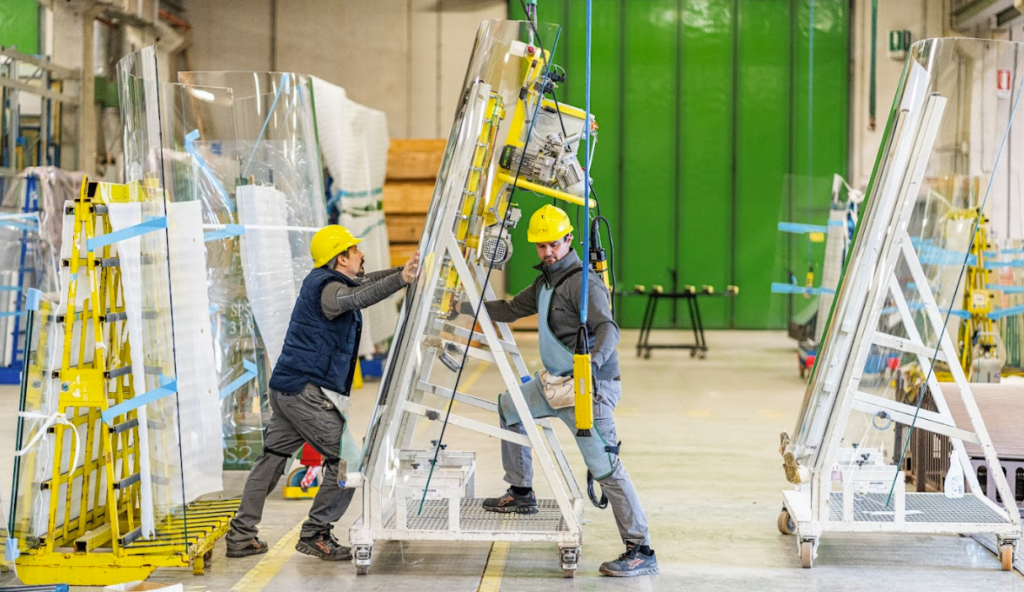
We have installed complementary processing lines for cutting, grinding, bending, and laminating large glass sheets, which can then be treated using chemical tempering technology. We process glass up to 10 x 3.2 meters, making us the only reference manufacturer in the world capable of handling such dimensions with chemical tempering.
At Isoclima, we use both chemical and thermal tempering, selecting the most suitable process based on the required characteristics and performance of the final product.
Why Choose Chemical Tempering Over Thermal Tempering in Some Cases
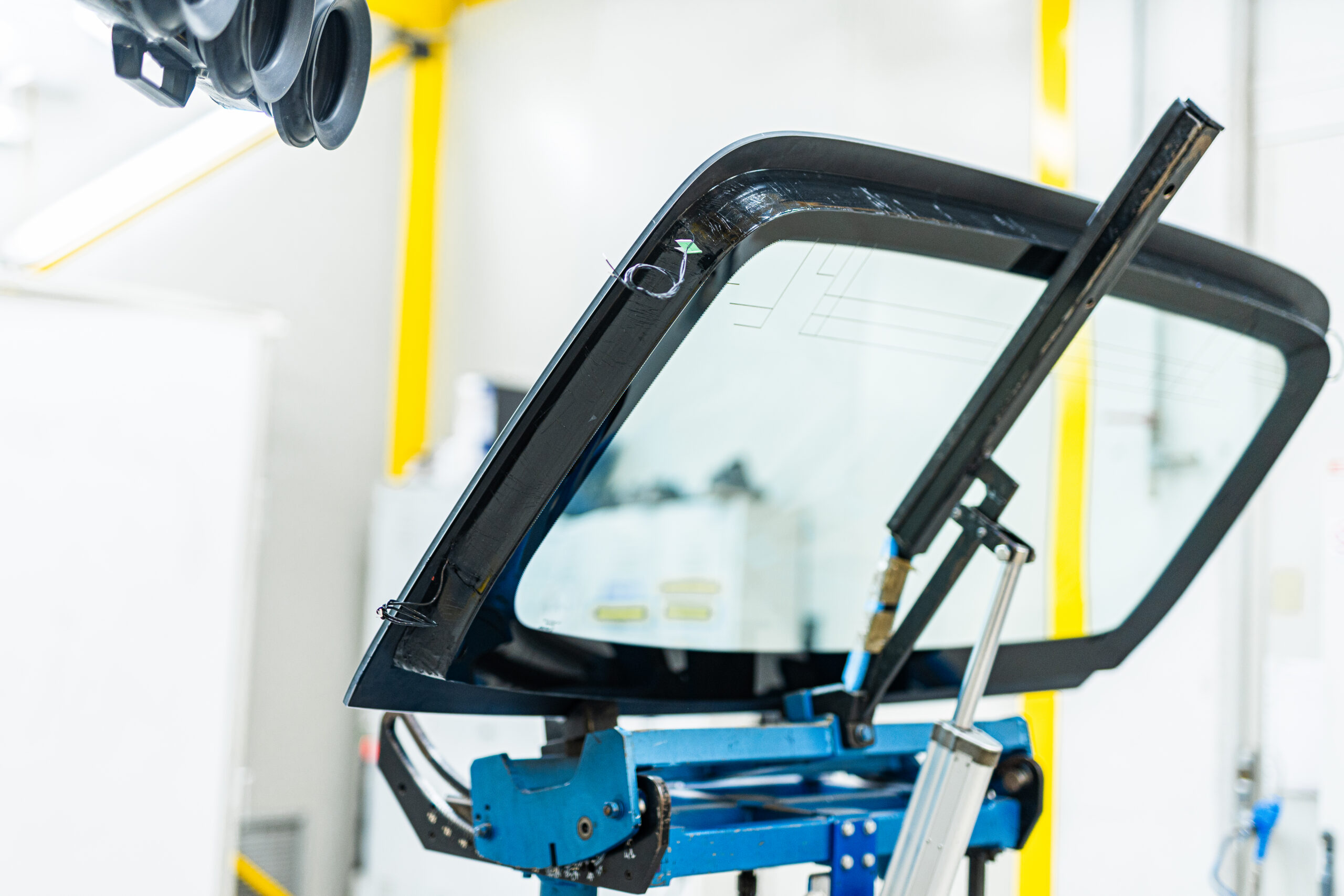
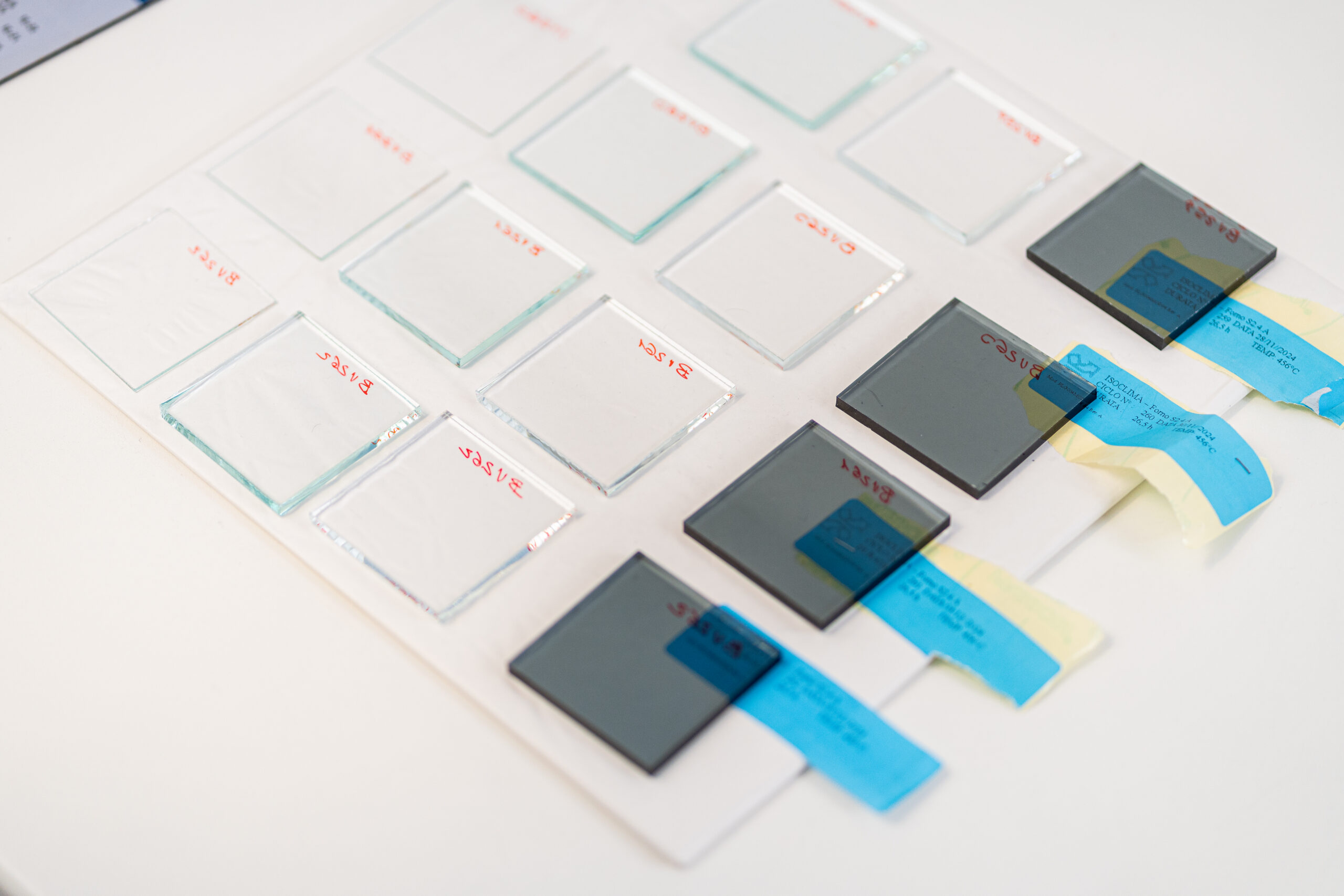
In our facility, large glass sheets are produced using ion-exchange chemical tempering, a process that sets us apart worldwide.
Some of its key advantages include:
- No optical distortions
- No risk of spontaneous breakage after processing
- Consistency in results, always guaranteeing excellence. Our glass is certified to withstand pressure and impact. Thermally tempered glass is twice as strong as regular glass, while chemically tempered glass is five times stronger
- Superior resistance to oxidation and limescale buildup
Additionally, we can manufacture glass that is not only exceptionally strong but also extremely lightweight, with thicknesses ranging from 0.75 mm to 25 mm, available in both flat and curved forms.
Wondering if there’s anything else extraordinary about our innovative facility? Not only can we cater to the marine industry, but our chemical tempering furnace is also ideal for smaller-scale applications across different sectors where cutting-edge technology and innovation are essential.