Isoclima
12/04/2022
Share this post
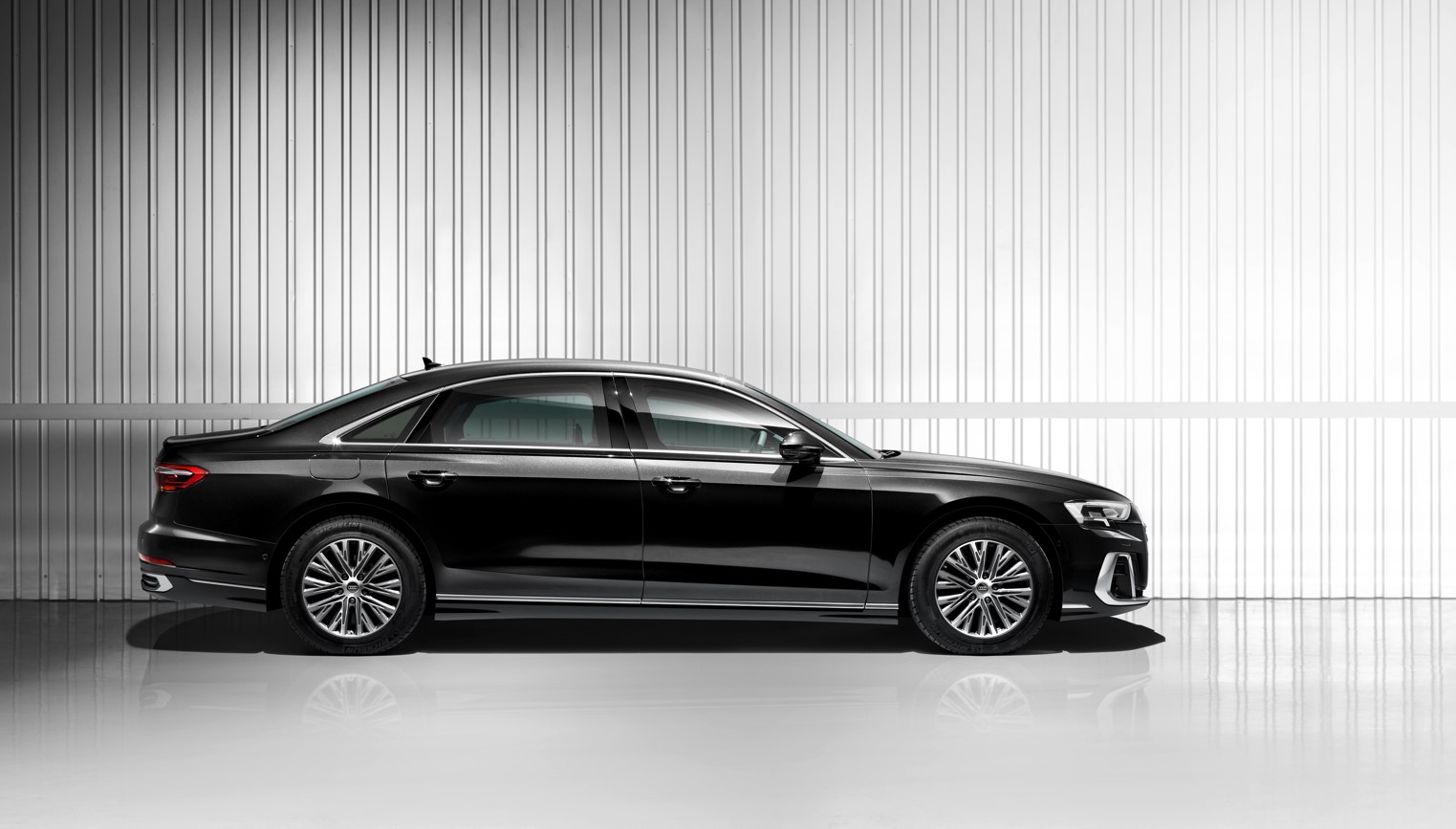
The technological evolution that led to the concept of “armoring” is now increasingly widespread, to the point where, beyond the military and diplomatic sectors, protected civilian vehicles are gaining growing attention in the private sector.
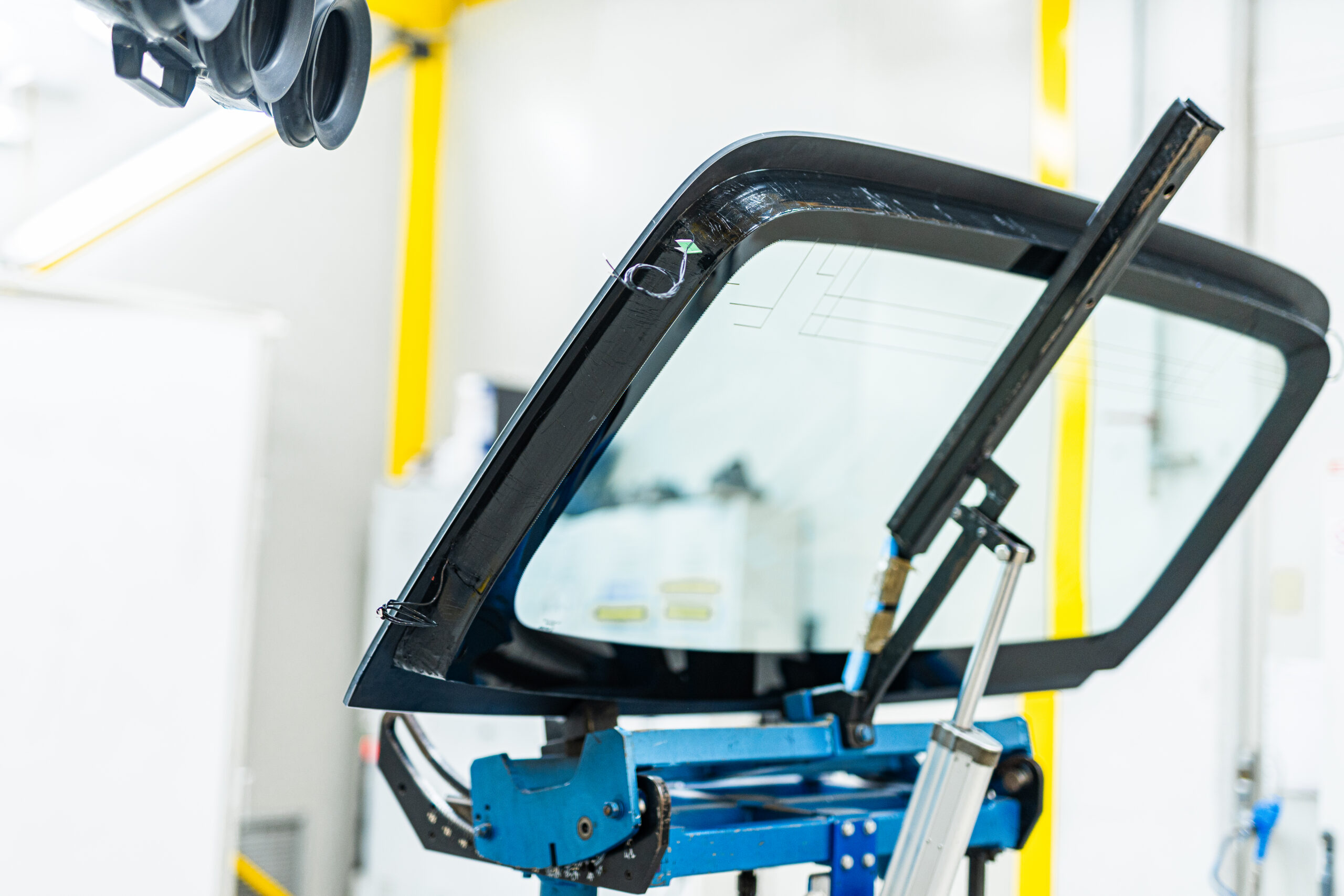
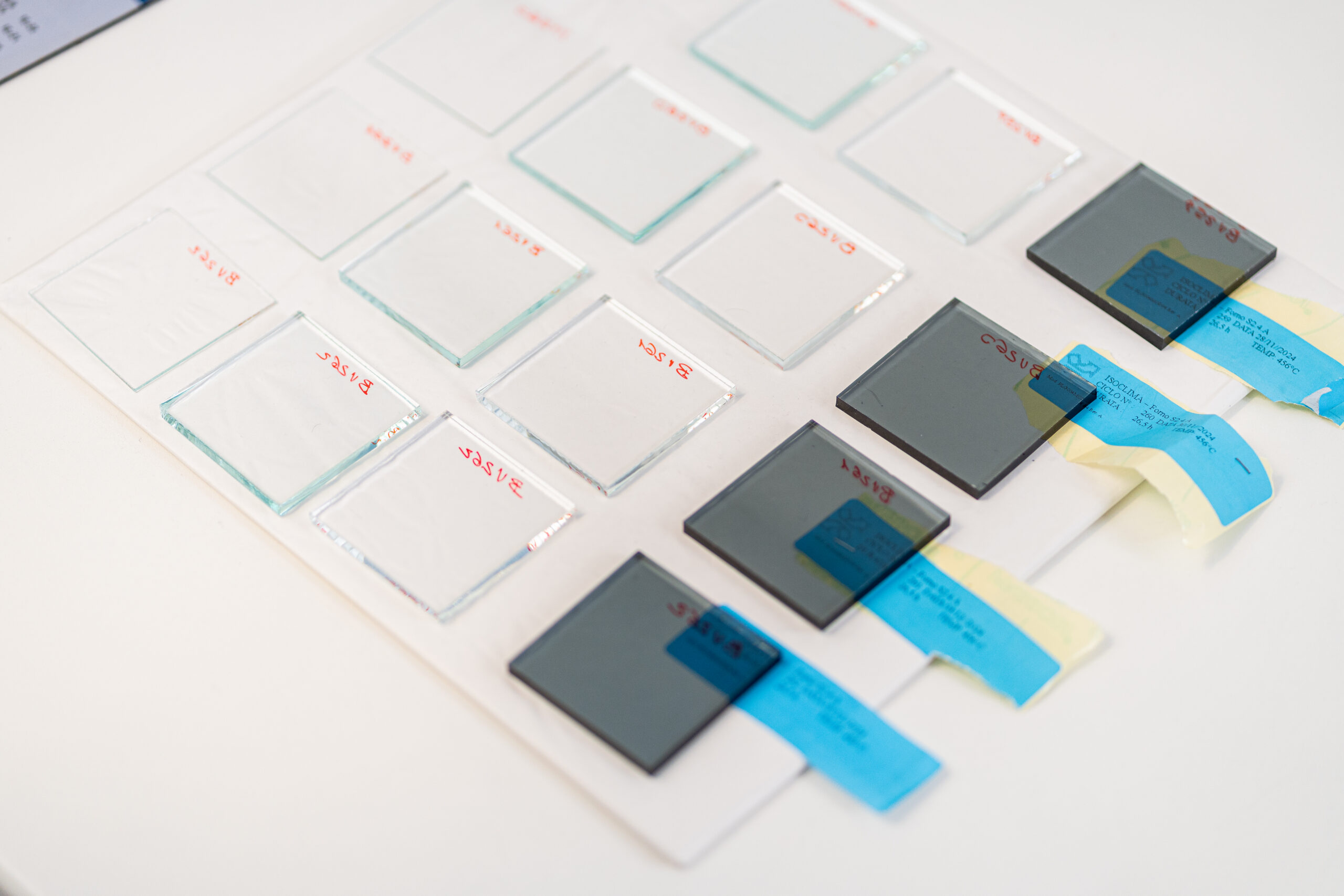
The protection technology commonly associated with armored vehicles might make many think of the famous James Bond cars—cinematic speedsters that seem impossible to destroy. Following this trend, automakers have enhanced the production of armored and protected vehicles. Every car can undergo a protection process based on specific needs. Regarding glass production, our work extends in two directions: armored glass and protected glass. For armored vehicles using OmniArmor®, we either work on products equivalent to the originals or start from scratch. In the case of protected vehicles using OmniGard®, the glass is created from scratch.
This flexibility allows us to collaborate with some of the most renowned automotive brands in the world.
How an Armored Vehicle Glass Process Works
We are leaders in the development of bulletproof and armored glass for protected civilian vehicles, providing anti-bandit products with the highest levels of ballistic protection. As mentioned earlier, the production of such glass is done in collaboration with the parent companies that commission the work: Mercedes, Audi, BMW, Stellantis, Volvo, Brabus, and private outfitters are just a few of the clients with whom we have been working closely for years. The production can either be in large volumes or One-Off, always based—regardless of the case—on national and international road standards, certified and qualified, according to stringent regulations we adhere to effortlessly and gladly. After all, for us, the protection of people always comes first.
Collaborations and Success Stories
Whether it’s producing glass for institutional vehicles, military bodies, or protected civilian vehicles, every solution is developed alongside the outfitter to optimize the integration of the glass into the overall vehicle armor concept.
Here are a few more details. Our “ballistic range” for the ballistic protection of civilian vehicles follows these technical specifications: from the 9 mm Luger to the 7.62×54 Dragunov.
Our “vehicle range” for vehicles we can armor includes sedans, SUVs, sports cars, and limousines.
In addition to the prestigious projects developed with OEMs, some of our most notable works include:
- The Mercedes G-Class customized by the German preparer Brabus, an armored vehicle capable of withstanding extremely tough and complex attacks. It has a VR6 ballistic protection level, protection against 7.62×39 caliber bullets.
- The Mercedes Benz S-Class armored by Van Berkel with VPAM 4 certified protection, the most widely used protection level for civilian vehicles. Capable of withstanding gunfire and explosions, this vehicle is a powerhouse for personal safety.
- The Aston Martin DB 11 armored by Trasco-Bremen. With a VPAM 4 ballistic level, this British luxury sports car combines the elegance of a high-end vehicle with the safety guaranteed by Isoclima.