Innovation & Tech
5 min read

Isoclima
30/10/2021
Share this post

When we talk about glass, it can be considered an “enigmatic” object. Yes, exactly: it has evolved from being a simple transparent material to a formidable barrier of safety that protects both things and people. Thanks to incredible technological advancements (which we at Isoclima apply daily), today glass is available in highly resistant variants that ensure a higher level of protection.
This type of glass, commonly known as “safety glass,” is used in a wide range of applications, from architecture to the automotive sector (where we specialize), playing a crucial role in safeguarding people and property.
The Benefits of Safety Glass
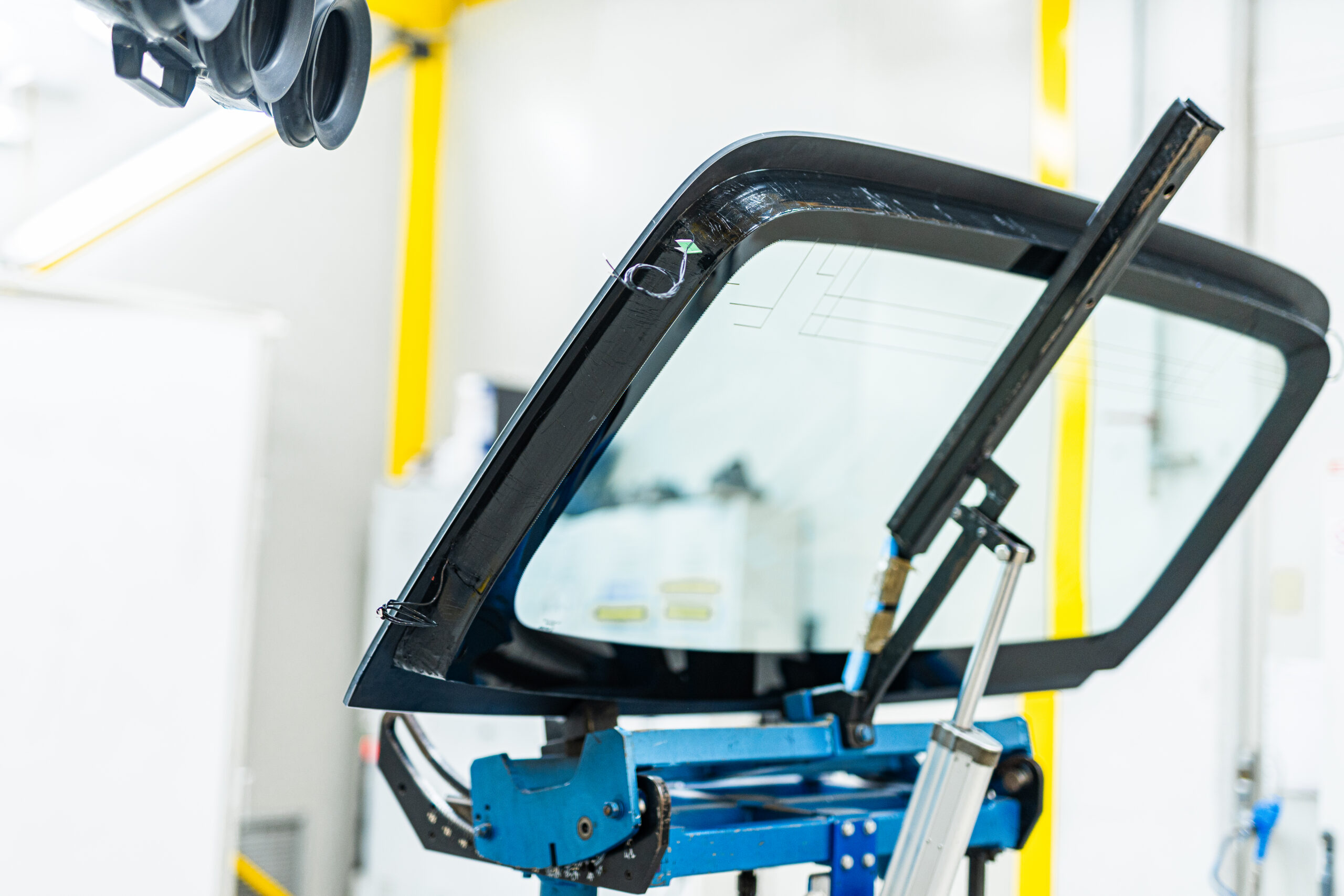
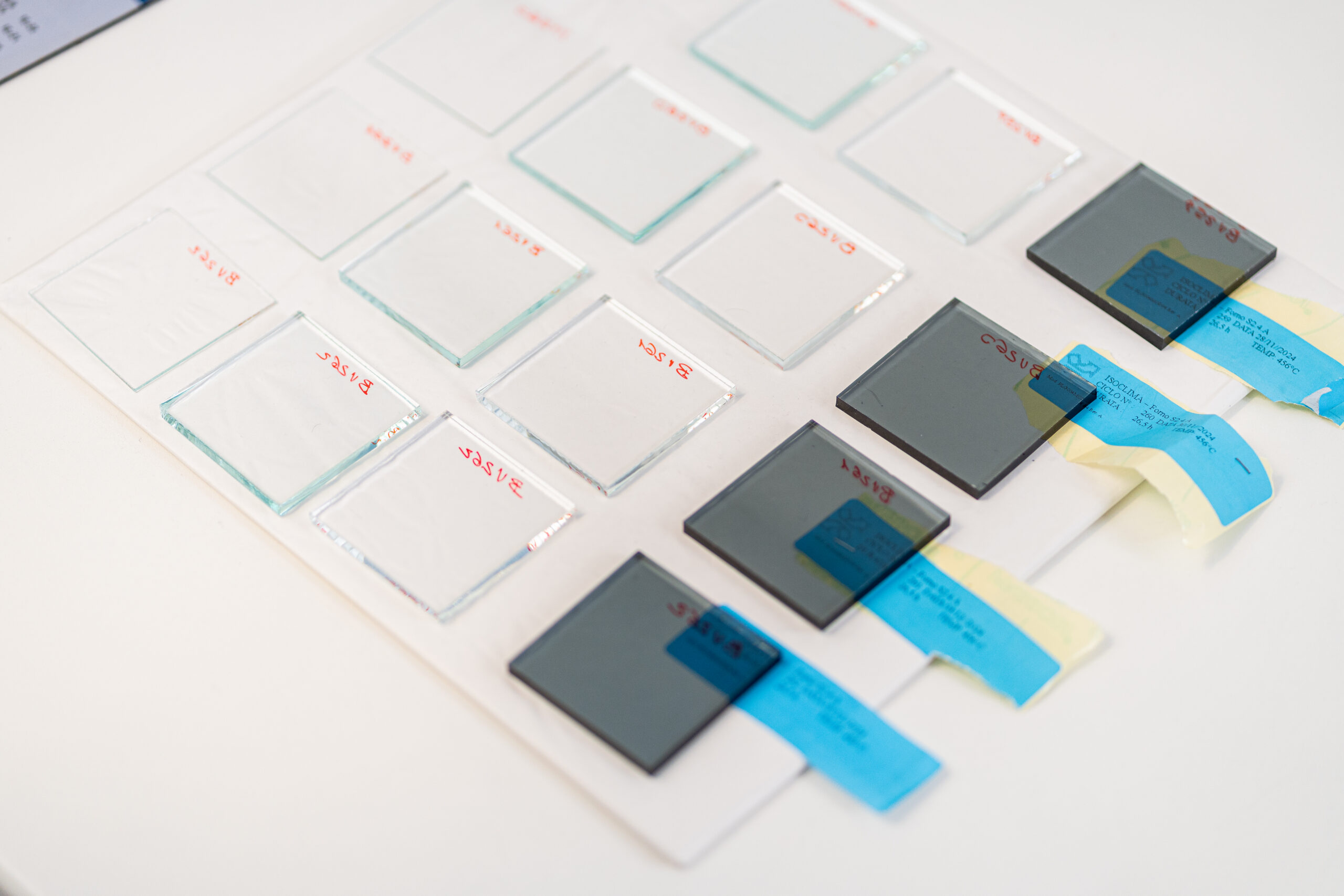
Safety glass is designed with inherent characteristics that make it extremely resistant to impacts and external forces. One of the most common variants is tempered glass, which undergoes a rapid heating and cooling process. This creates surface tension that makes it up to five times stronger than standard glass. In the event of breakage, tempered glass shatters into small, blunt fragments, minimizing the risk of injury. These qualities make it ideal for applications where safety is paramount, such as partition walls in public spaces, impact-resistant windows, or automotive windshields for the protection of people or objects.
Another form of safety glass is laminated glass, made up of two or more layers of glass bonded together with a plastic interlayer. This structure makes it highly resistant to impacts and intrusions, preventing the passage of unwanted or dangerous objects. Moreover, if it breaks, laminated glass remains attached to the interlayer, preventing fragments from dispersing and providing an additional layer of safety.
Safety for Every Sector
Safety glass has applications across a wide range of industries, contributing significantly to the protection of people and property. In architecture, safety glass walls and facades provide reliable protection without compromising transparency or aesthetics. In vehicles, safety glass reduces the risk of injury in the event of an accident and prevents unauthorized access. It is also used in industries where it protects against chemical agents or extreme temperatures.
There’s no denying that safety glass represents a formidable safeguard for protecting things and people. Thanks to its resistance and durability, it offers a reliable solution in a wide variety of contexts. The widespread use of this technology in architectural applications, transportation, and industry underscores the crucial role that safety glass plays in promoting the safety and well-being of communities.