

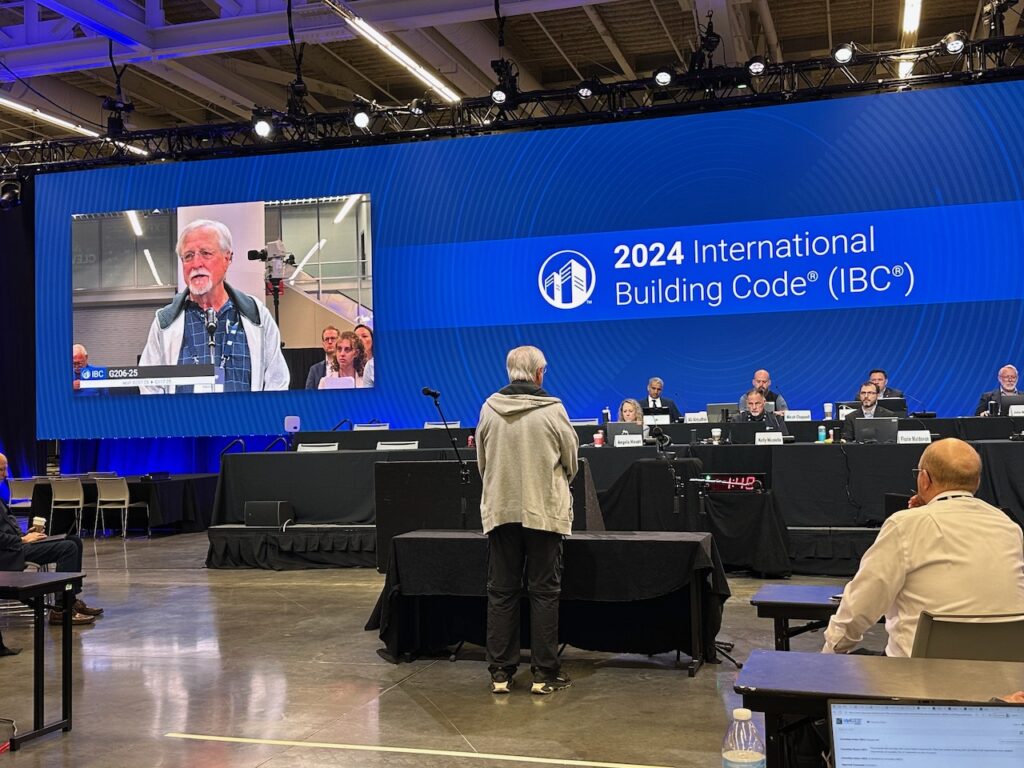
A significant step forward for the glass and glazing industry was achieved this fall, as the National Glass Association (NGA), working in collaboration with the American Institute of Architects (AIA), the Aluminum Extruders Council (AEC), and Professor Juan Miró of the University of Texas at Austin, successfully advanced two key building code proposals promoting natural daylighting in schools, dormitories, and apartments.
These newly approved code changes—now slated for inclusion in the 2027 International Building Code (IBC)—will require classrooms and Group R occupancies such as dormitories and apartments to include access to natural daylight in addition to artificial lighting. The updates are designed to ensure that students, educators, and residents benefit from the physical and mental health benefits of daylight and outdoor views.
NGA Vice President of Advocacy & Technical Services, Urmilla Jokhu-Sowell, described the milestone as “a huge step forward for the built environment—and for every organization committed to occupant health, wellness, and better design.” This achievement reflects the glazing industry’s longstanding commitment to bringing light, comfort, and human connection to the spaces where we live and learn.
Where Daylight and Security Meet
At Isoclima Specialty Glass / Global Security Glazing, we believe that safety and wellness should coexist without compromise. Products like CHILDGARD® Security Glazing demonstrate how advanced protective glass can provide both — the strength to safeguard occupants and the clarity to deliver the natural light and visibility that modern building codes demand.
CHILDGARD® is designed for use in schools and public buildings where security is essential, yet daylight and openness remain central to design intent. By allowing abundant daylight transmission while resisting forced entry, CHILDGARD® supports environments that are not only secure, but also bright, inspiring, and compliant with the latest codes promoting daylight access.
Innovation with Purpose
As the glazing industry continues to champion healthier, more human-centered spaces, innovations in security glass will play a critical role. Daylight contributes to student focus, productivity, and emotional well-being — and with products like CHILDGARD®, architects and school administrators can achieve those outcomes without sacrificing peace of mind.
This convergence of safety and daylight is more than a design ideal — it’s the future of secure, nurturing learning environments.