When architects evaluate security glazing, the discussion often begins with performance requirements and budget. As projects move through design, however, multiple products may appear to satisfy the same specification on paper.
That is where product comparisons become more complicated.
Two glazing systems may look similar in a submittal package, specification review, or value-engineering discussion, yet differ significantly in tested performance, intended application, service life, and long-term maintenance considerations.
Understanding those differences early can help project teams make more informed decisions and reduce the likelihood of substitutions that may not align with the project’s original security goals.
Looking Beyond the Initial Price
Cost is always part of the discussion, but it should not be the only factor considered.
When comparing security glazing systems, architects and owners may also evaluate:
- Tested performance for the intended threat
- Expected service life
- Maintenance requirements
- Replacement considerations
- Compatibility with framing and surrounding assemblies
- Warranty coverage
- Long-term operational impacts
A product with a lower upfront cost may not provide the same value over the life of the building if it requires additional maintenance, replacement, or operational adjustments.
Understanding the Intended Application
Not all security glazing products are designed to address the same threats.
Some systems are intended to help delay forced entry. Others are designed to provide ballistic resistance. Some applications may require both.
Comparing products without first understanding the project’s specific security objectives can lead to decisions based on cost alone rather than performance requirements.
The more effective approach is to start with the threat assessment, performance expectations, and application requirements, then evaluate products that meet those criteria.
Reviewing Testing and Documentation
Product testing is one of the most important comparison tools available to architects and specifiers.
When reviewing security glazing options, project teams should understand how products were tested, what standards were used, and whether those test results align with the intended application.
Supporting documentation can also help clarify product capabilities, limitations, and installation requirements before decisions are made.
Understanding Warranty Considerations
Warranty information should be reviewed alongside performance data.
Before a product is specified or substituted, project teams should understand what is covered, what conditions may limit coverage, and whether the glazing system has been evaluated for the intended application.
These details can become particularly important when comparing products that appear similar but have different installation requirements, framing limitations, or maintenance expectations.
Comparing Products Designed for Different Threat Levels
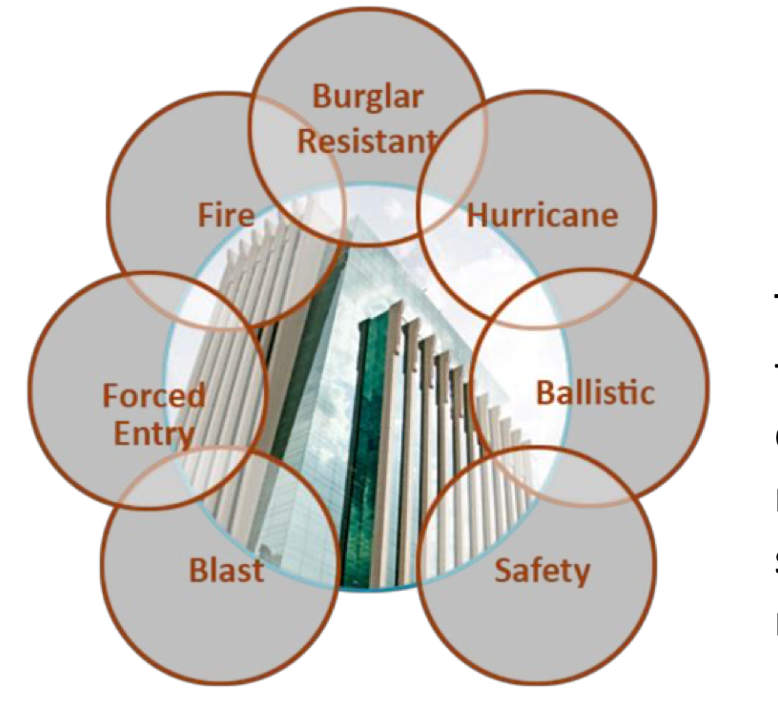
Not all security glazing solves the same problem.
For example, Isoclima offers products designed for different threat levels and applications. CHILDGARD® is designed to help delay forced entry in schools and other vulnerable facilities while maintaining visibility and daylight. ARMORGARD® provides ballistic-resistant protection for government, commercial, and high-security environments.
For projects requiring both ballistic and forced-entry resistance, ARMORGARD® Ultimate combines advanced protection with the optical clarity needed for secure, visible spaces.
Understanding where these products differ in performance, application, and tested threat level helps project teams make comparisons based on project requirements rather than price alone.
Supporting Better Specification Decisions
Security glazing decisions can affect building operations, occupant protection, and long-term project performance.
Comparing products based on testing, application, service life, warranty considerations, and overall project requirements can provide a more complete picture than cost alone.
Isoclima works with architects, specifiers, glazing contractors, and security consultants to provide product information, performance data, and project-specific guidance.
Planning a security glazing project? Connect with Derek Hubert, Architectural Development Manager at Isoclima, to learn more.