Isoclima
09/11/2022
Share this post
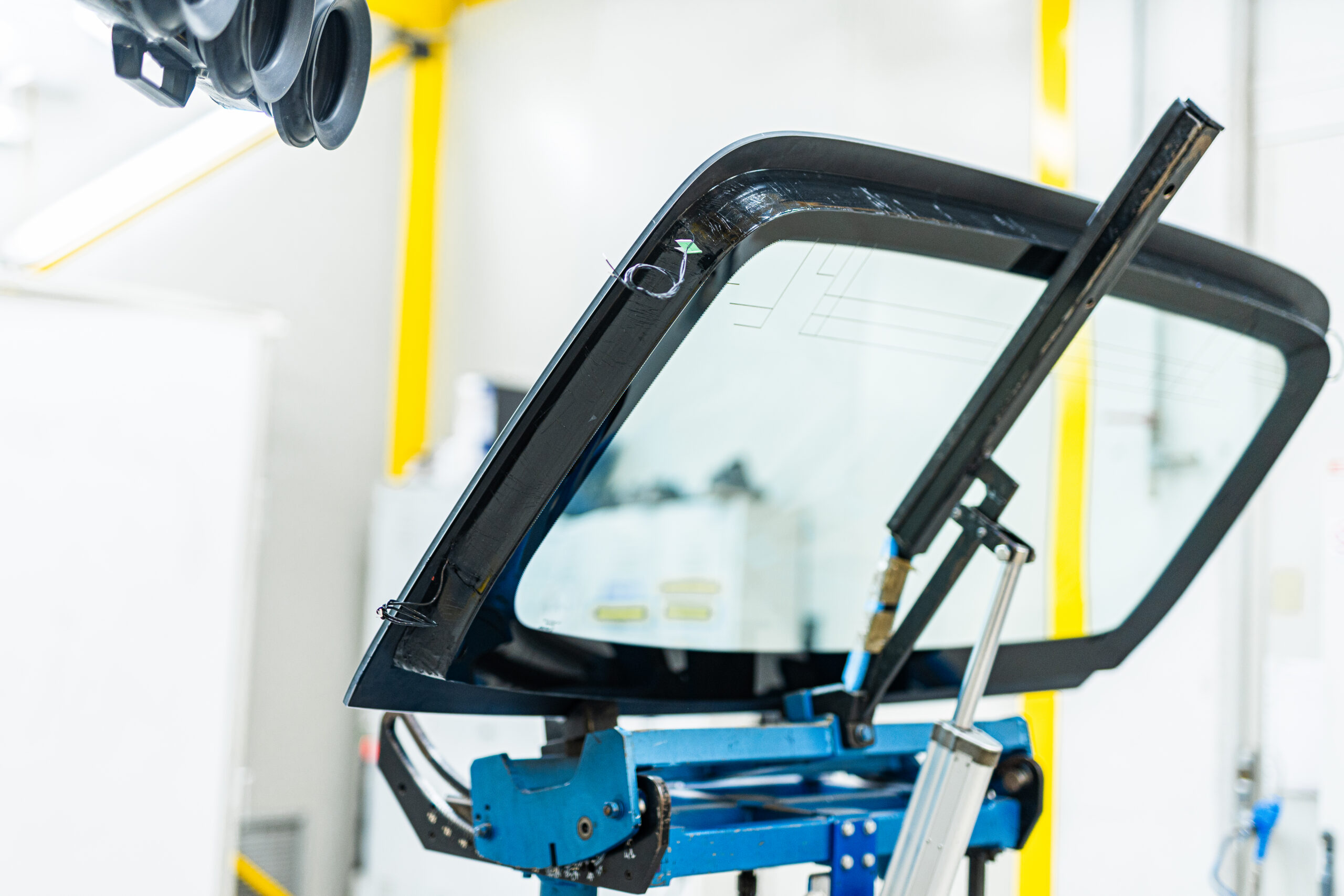
Also known as “transparent armor,” bulletproof or ballistic glass is a transparent material specially designed to resist the penetration of blunt objects and projectiles.
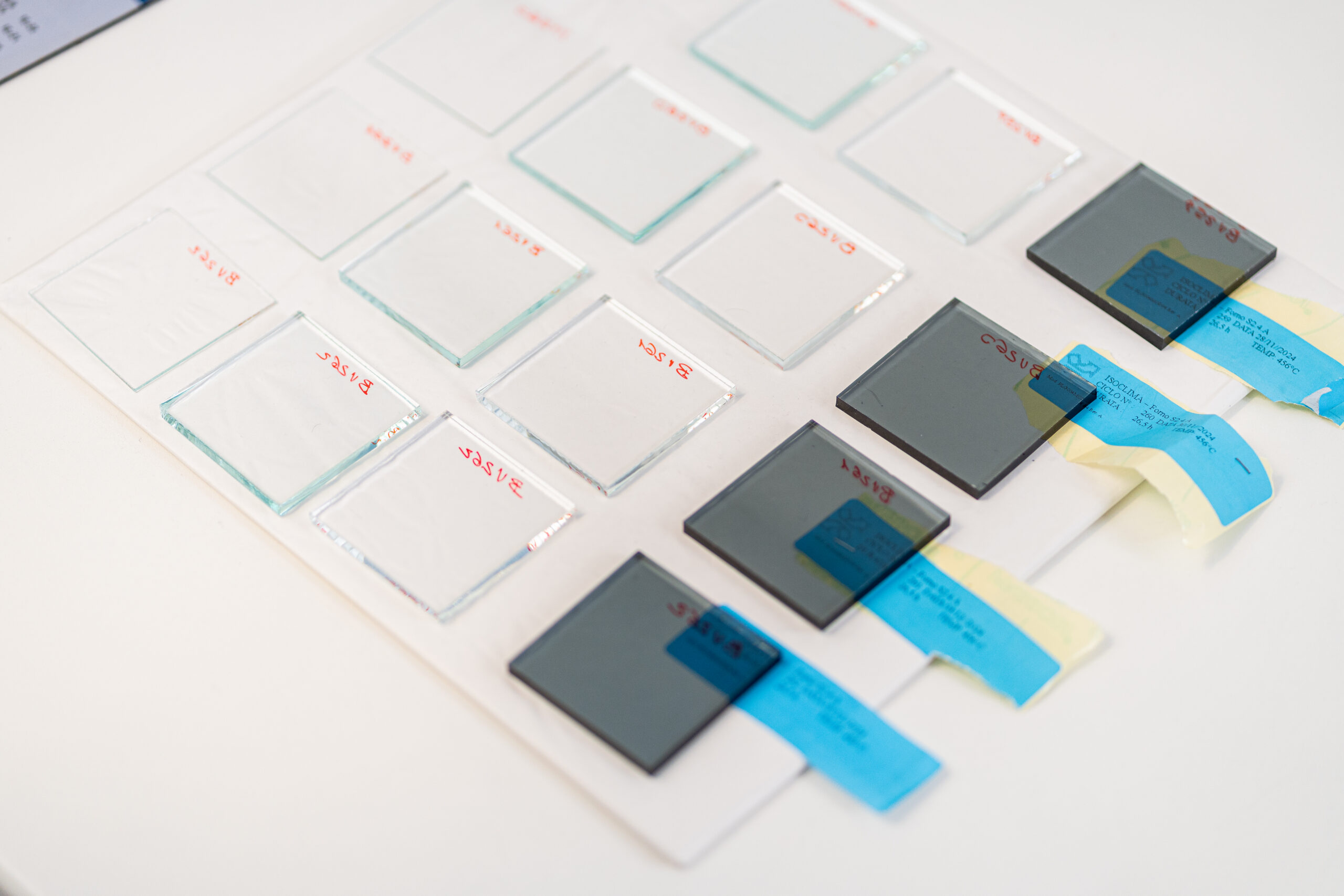
The creation of this type of ballistic glass typically follows a specific formula: two or more types of glass are combined depending on the required level of protection.
Those who know us understand that few companies in the world are able to offer high-end, sophisticated, and highly resistant glass.
Although, by its nature, a glass will never be entirely impenetrable, thanks to our technologies and continuous research, we are able to offer a product that exceeds the normal market standards.
From Automakers to Installers: Who Are Our Most Loyal Clients
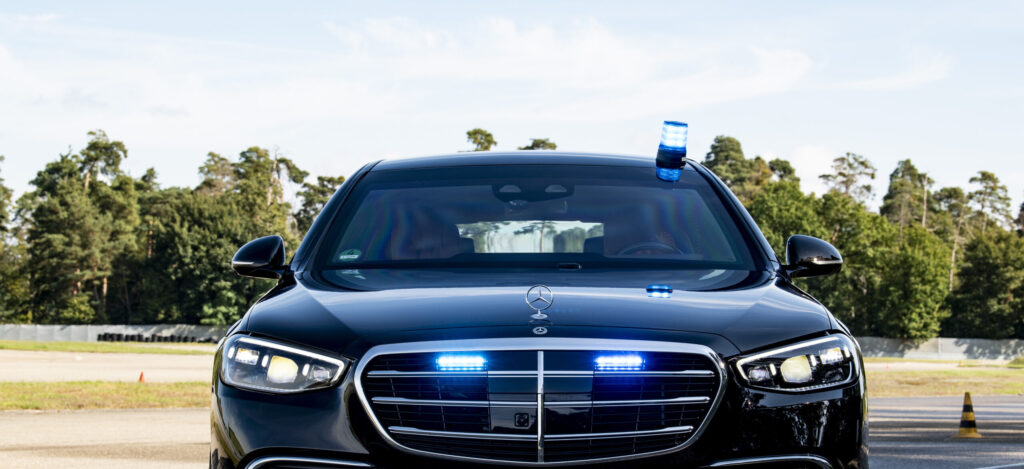
Who installs ballistic glass? And more importantly, who requires it? Our collaboration with some of the most prestigious international automakers is one of our greatest achievements: Audi, Mercedes, and BMW are just a few of the high-profile brands that offer armored vehicles assembled directly in our facilities.
For some time now, we have also been working closely with body shops specializing in armored vehicle fittings and vehicle armoring (including aftermarket for standard vehicles). Even when choosing our “external” partners, we are very demanding.
The armorers must be certified for such operations according to OEM directives and must leave the basic characteristics of the vehicle unchanged.
The Protection Levels We Refer To
The VPAM, EN1063, and STANAG 4569 Ballistic Standards represent our reference standards for the production of ballistic glass intended for the automotive sector, both for civilian and military market products.
For the civilian market, the applicable standards are VPAM, for which we provide products with ballistic protection levels up to level PM10 (7.62x54R, with incendiary AP ammunition), and EN1063, more commonly used in the Italian market, for which we guarantee protection levels for all available classes, from the most common .44 Rem.Mag. and 7.62x39mm ammunition to the heaviest BR7 (7.62x51mm NATO).
For the military sector, the relevant standard is STANAG 4569, for which our products are designed to resist threats from both hard metal projectiles, such as tungsten carbide (WC), and fragments simulating grenade splinters (FSP).
Our clients not only require ballistic transparencies but also products capable of withstanding certain temperatures. Especially for the STANAG 4569 ballistic standard, the military vehicle must ensure protection for occupants at extreme temperatures, ranging from as low as -32°C to as high as +50°C.
A real challenge that requires innovation, technology, and experience.