Isoclima
04/02/2022
Share this post
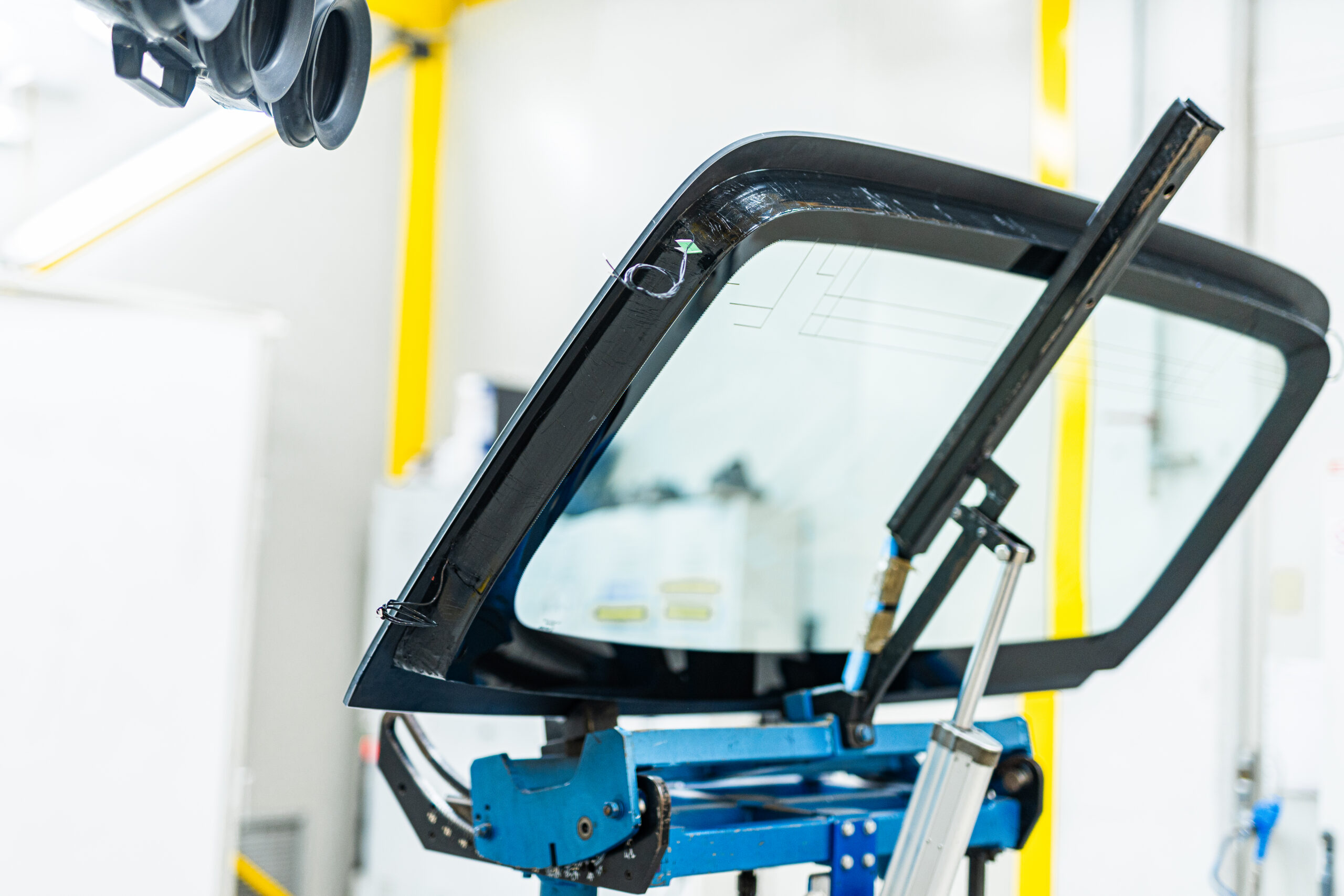
Do you know how bulletproof glass was created? The panels made of glass + polycarbonate for bulletproof purposes were developed after 1977 in the USA through the use of plastic resins that could securely bond the glass surface with the polycarbonate. Initially, its use was for aircraft windshields, where the reduction in weight of the composites offered a significant advantage over laminated glass. Not long after, in 1980, Isoclima acquired an exclusive license for Europe to use the synthesized polyurethane film. The purpose of this license was to allow the application of polyurethane in safety glass. We became the first to offer the market curved bulletproof glass made of glass and polycarbonate, capable of replacing the technologies that existed until then.
Since then, ballistic polycarbonate has come a long way, just like us.
Development of This Product for the Security Sector
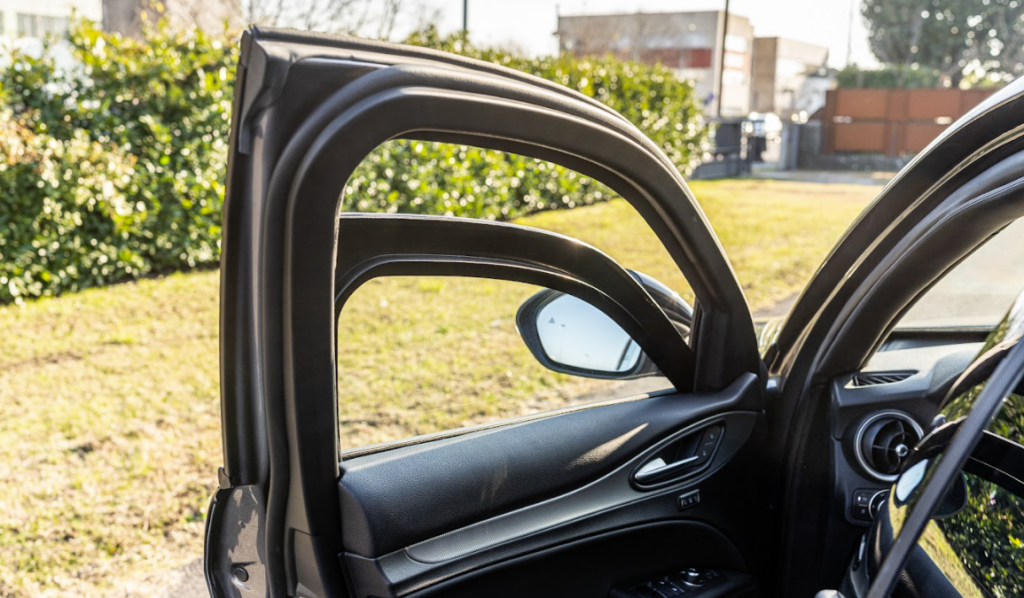
Talking about ballistic polycarbonate, or commonly known as bulletproof glass, brings to mind something resistant, hard to scratch, behind which one feels protected and safe. At Isoclima, we are at the forefront of producing bulletproof and shatterproof glass with polycarbonate mounted on armored vehicles worldwide for both military and civilian use. What we do is focus on armored vehicles (bulletproof glass) for civilians and provide protection through armor for military vehicles and ships. These projects started long ago, and they continue to excite us even after all these years. We still fondly remember the first vehicle we installed Isoclima bulletproof glass on: it was the Alfa Romeo “Alfetta,” produced in Arese with a B4 protection level. In 1982, we followed with the Daimler W140 model, with the same level of protection: two icons that have made automotive history.
How We Got Here
We could call it curiosity, intuition, ingenuity, or simple inspiration: the evolution of our company regarding ballistic polycarbonate was born from a mix of all these things and the desire to explore new ideas, including the very concept of laminated bulletproof glass. Today, this product is the one that best identifies us in the market, making us undisputed leaders.
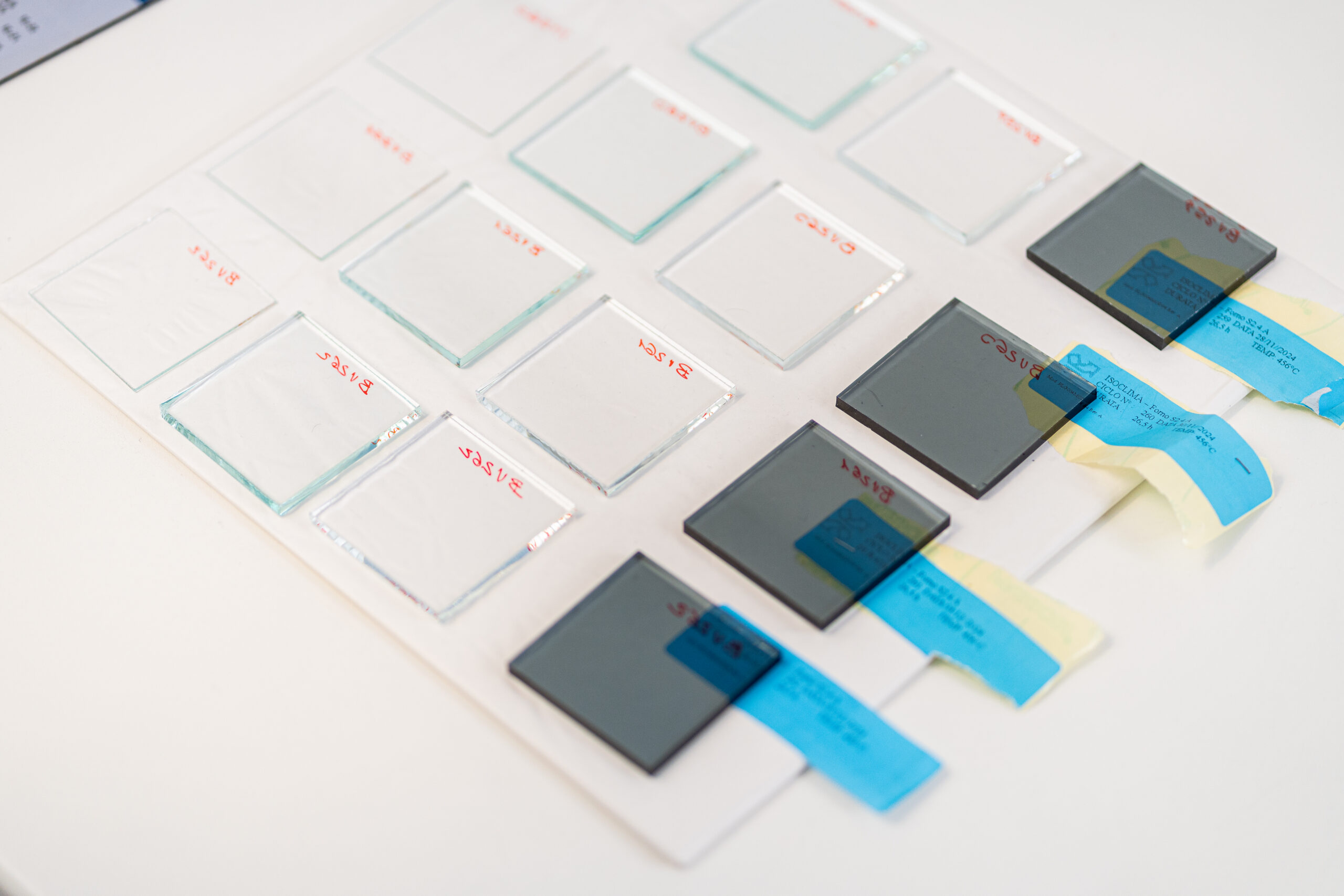
The real challenge was how to combine glass and polycarbonate, two obviously different materials with different thermal expansion coefficients, which led to our collaboration with Sierracin and the development of our most high-performance glass—OMNIARMOR®—which became our flagship product.
Over time, we developed other products, including:
- Glass capable of withstanding extreme weather conditions (-32 +45 °C), mechanical conditions (stones, desert mountains), and thermal variation. These glasses are equipped with heating systems, electromagnetic shielding, IR coating, ballistic steel and aluminum frames, anti-fog features, integrated radiofrequency and GPS antennas, and solar control.
- We are also suppliers for many Italian and foreign car manufacturers (Iveco Defence, Mercedes-Benz, Stellantis, Audi, BMW, Volkswagen Group) that provide vehicles for Heads of State, from the Carabinieri to the Police.
Our strength in ballistic polycarbonate is not just the quality of the product but also the tailor-made craftsmanship with which we produce each item that carries the Isoclima name around the world.