Innovation & Tech
5 min read

Isoclima
03/04/2021
Share this post

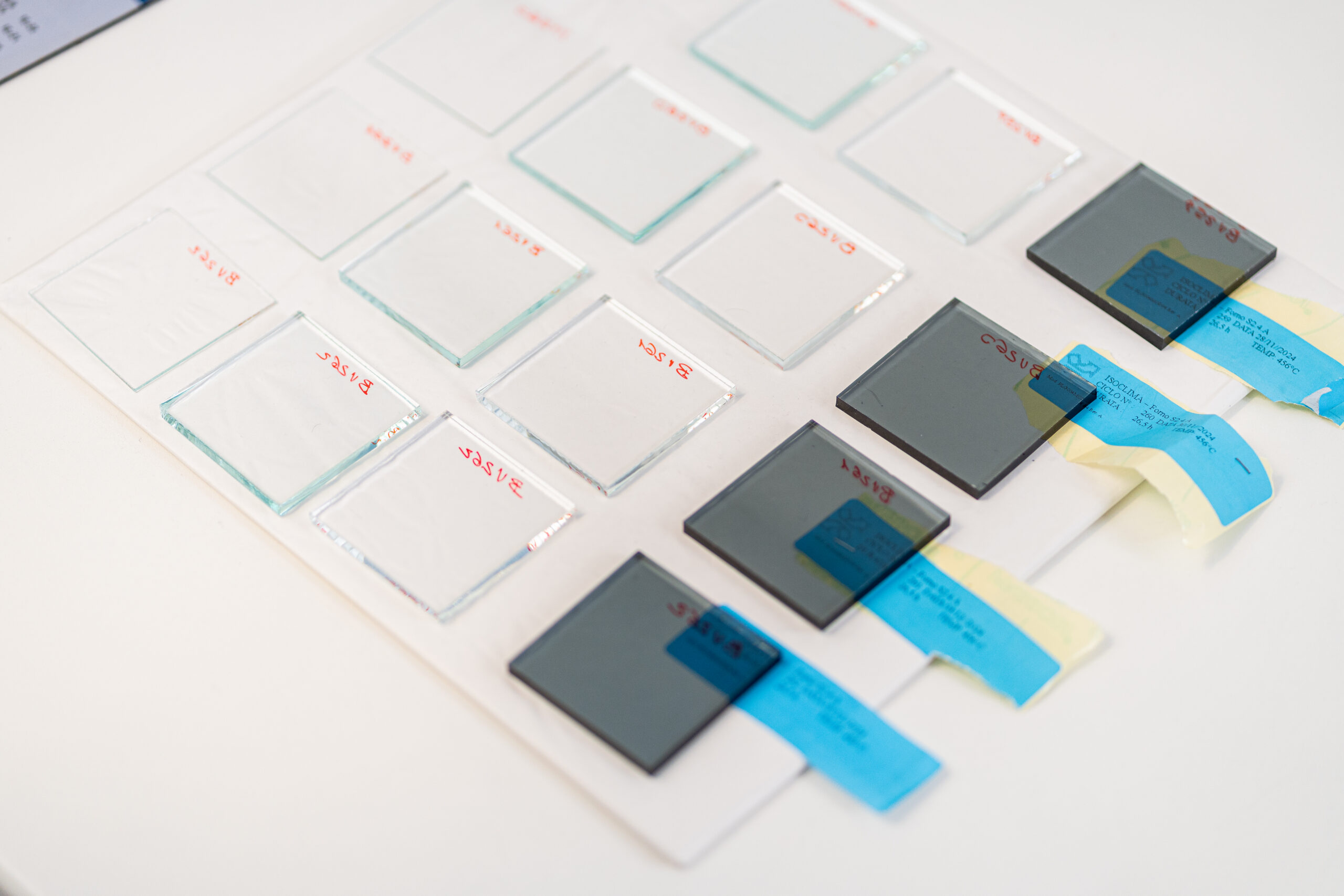
Electronic privacy glass, also known as “smart glass” or “e-glass,” represents a revolution in the field of transparent surfaces. This advanced technology allows for dynamic regulation of the glass’s transparency through an electronic control system. Our response to this need is Isolite®, a flexible and dynamic solution that can transform the spaces in which it is placed.
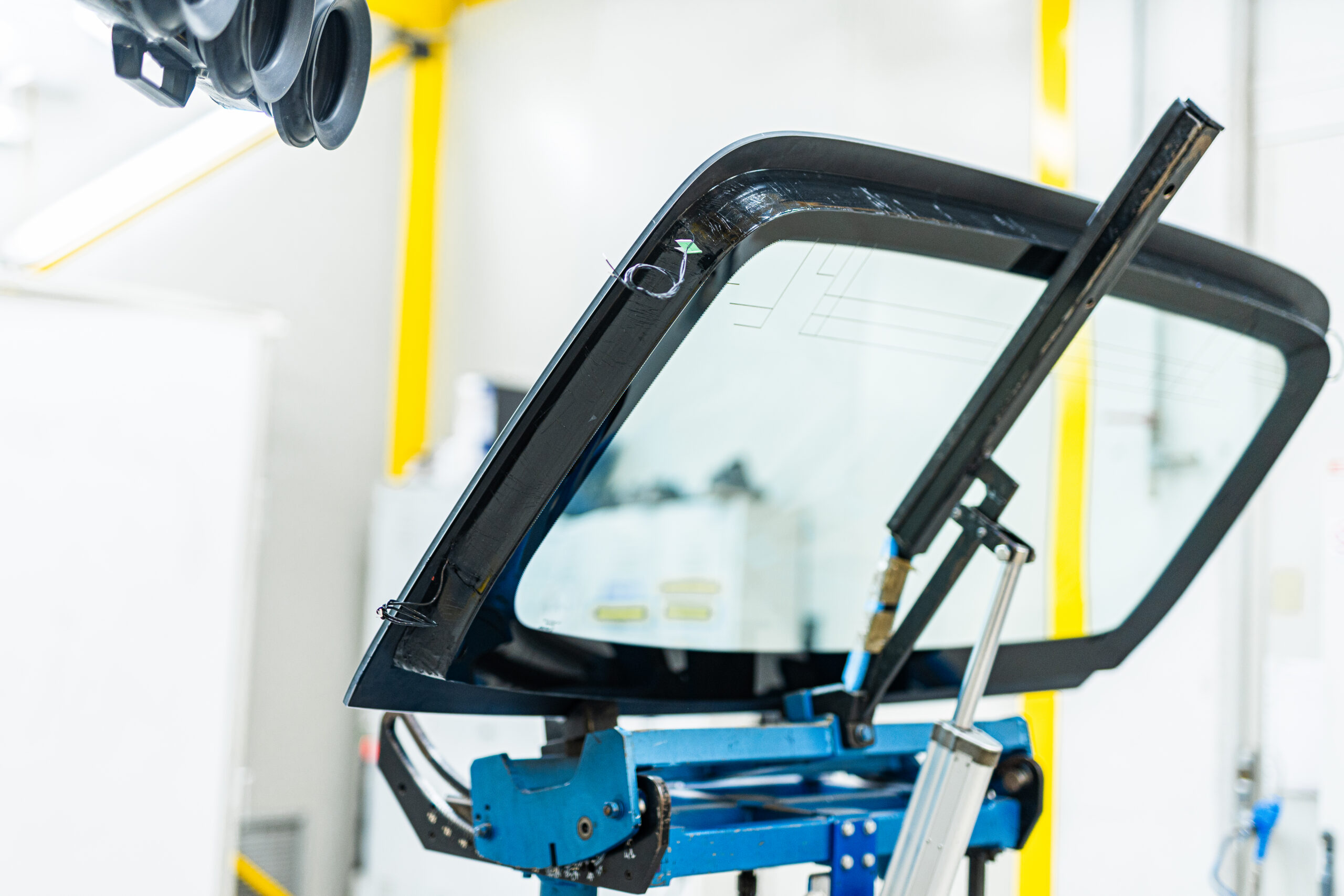
A true marvel in terms of innovation, in which we at Isoclima are qualified and certified partners. The versatility of electronic privacy glass makes it ideal for a wide range of applications, spanning from architecture to automotive and interior design. This extraordinary material perfectly adapts to the needs of residential, commercial, and industrial projects, offering complete control over privacy, light, and temperature.
From Transparent to Opaque with a Simple Click
One of the most distinctive features of electronic privacy glass is its ability to switch from a transparent to an opaque state with a simple push of a button or remote control. This makes it possible to instantly adapt the environment to individual preferences, providing complete control over privacy. Additionally, electronic privacy glass reduces the amount of sunlight that enters the interior, helping to regulate temperature and reduce energy costs. This makes electronic privacy glass an eco-friendly choice, in line with modern sustainability needs.
Here’s an interesting fact: Did you know that electronic privacy glass has found revolutionary applications in the medical field, particularly in operating rooms and diagnostic environments? The ability to quickly and precisely control the transparency of the glass allows healthcare professionals to ensure the right amount of light and privacy during delicate procedures. This not only improves working conditions for medical staff but also contributes to the well-being of patients.
Comfort and Environmental Care
Choosing electronic privacy glass not only offers an unprecedented level of comfort and customization but also represents an investment for the future. Thanks to its ability to regulate light and temperature, this technology can contribute to a significant reduction in energy consumption, leading to substantial savings. Furthermore, its durability and resistance to weather conditions make it a safe and reliable choice for long-term projects.
Electronic privacy glass represents a step forward in the technological innovation of transparent surfaces. Its versatility and numerous advantages make it an ideal choice for a wide range of applications, from the medical sector to architecture and automotive.
With total control over privacy and significant energy cost reduction, electronic privacy glass emerges as a modern and sustainable solution for comfortable and highly customizable environments.