Isoclima
12/03/2024
Share this post
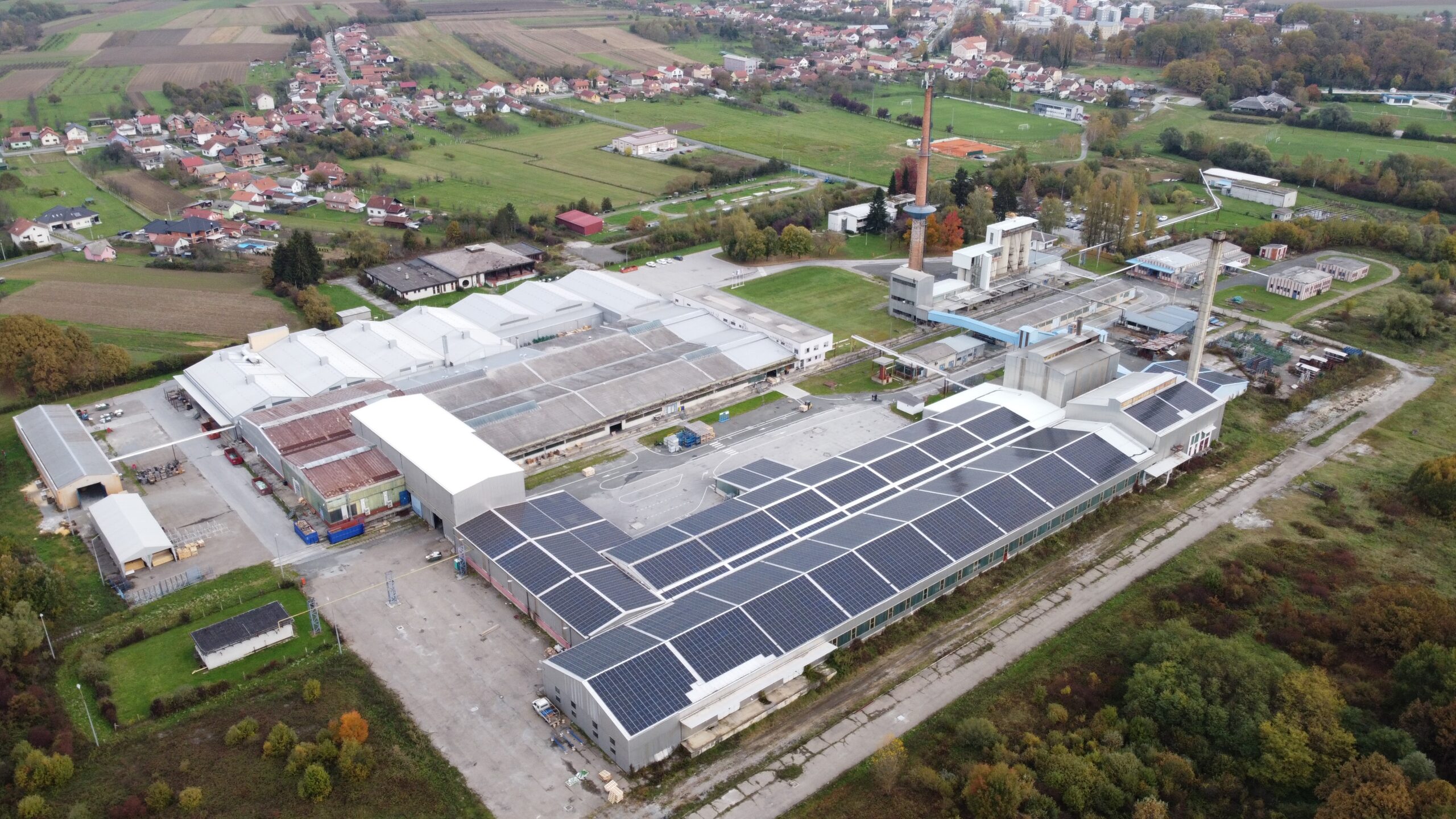
The company LIPIK GLAS d.o.o. has a long history in the glass industry, with roots dating back to the 19th century in Lipik, Croatia. Founded in 1963 as a factory producing drawn glass, patterned glass, and U-Glass, the company has truly become an extension of Isoclima in Croatia, following a path of continuous growth over the years that we are very proud of.
In 2002, it became part of the prestigious Italian group “Isoclima Group,” bringing with it a rich legacy of craftsmanship and innovation in the glass industry, which provided us with an excellent starting point for projects focused on innovation and safety.
The Automotive Sector: The Leading Edge
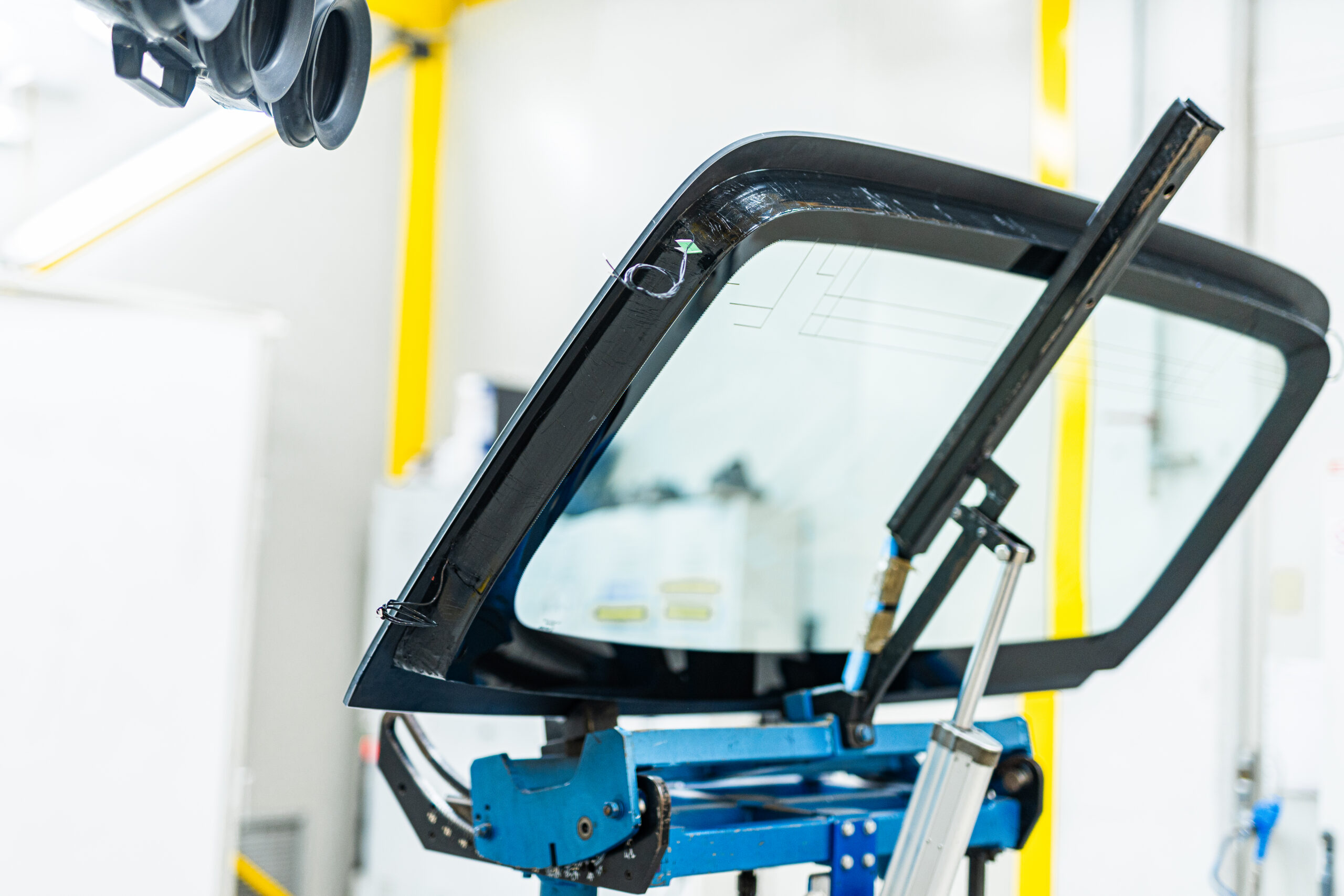
Since 2003, after significant investments and renovations, LIPIK GLAS d.o.o. began the serial production of high-performance automotive glass for low-volume, high-budget vehicles.
These glasses, used by the world’s best luxury car brands, represent the pinnacle of quality and innovation in the automotive industry, further solidifying Isoclima’s presence in Croatia.
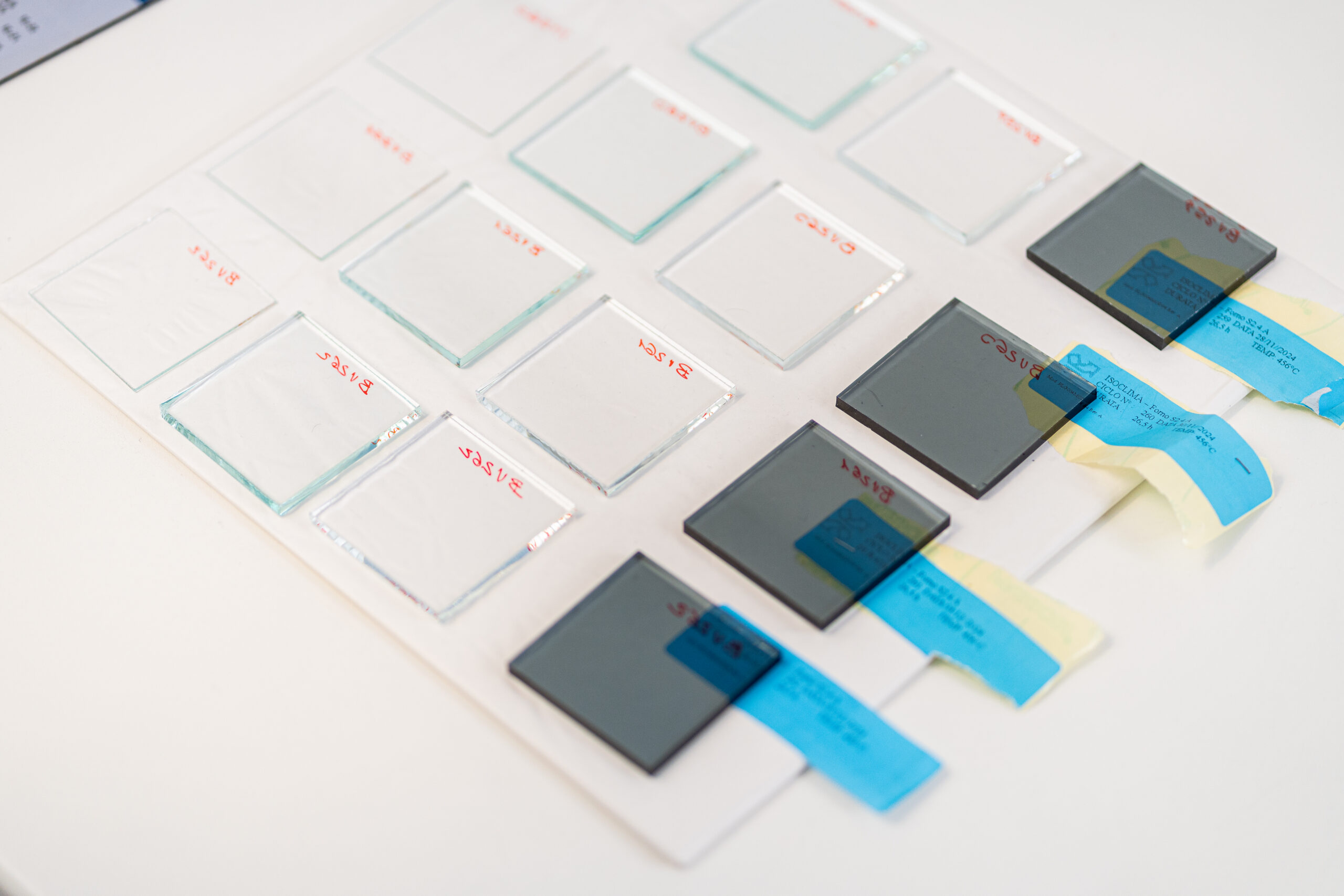
Lipik Glas does not limit itself to producing standard glass but offers a wide range of customized solutions, including acoustic and solar control glass, integrated heating systems, Gorilla glass, the exclusive Cromalite© technology, and much more.
Prestigious Recognitions and Success Stories
The dedication to excellence and innovation at LIPIK GLAS d.o.o. has been recognized with numerous awards and honors.
Winners of the Kuna d’oro in 2016 and 2018, the company was also nominated for the prestigious award in the category of the most successful medium-sized commercial company in the Republic of Croatia.
In 2018, LIPIK GLAS d.o.o. was awarded the annual prize by the Požeško-Slavonska County, confirming its leadership role in the industry.
Also, in 2020, the company was nominated among the best large commercial entities in Croatia and won the Kuna d’oro as the most successful large commercial company in the Požeško-Slavonska County.
Our Croatian district boasts numerous other certifications, attesting to the work carried out according to the strict industry standards. These include the ISO 9001:2015 certification for Quality Management Systems, the IATF 16949:2016 certification for Automotive industry standards, and ISO 14001:2015 for correct environmental management policies.
The list of certifications does not stop here: there are many more regarding health and safety (ISO 45001) and ISO 50001 for Energy Management.
Isoclima in Croatia represents a benchmark in the high-performance glass industry, combining a tradition of artisanal excellence with a continuous pursuit of innovation. With a team of 249 dedicated individuals and a facility in Lipik, the company continues to lead the way into the future, offering cutting-edge glass solutions for the automotive and railway industries.