Isoclima
02/02/2022
Share this post

Are you wondering how to shield electromagnetic waves emitted by electronic devices? The answer is Emigard, our multilayer product designed to provide protection from electromagnetic waves.
Protecting ourselves from electromagnetic waves is sometimes absolutely essential, both professionally and in civilian contexts, as we are increasingly surrounded by devices emitting these types of pulses. Just think about the smartphones we connect to daily, computers, antennas, televisions, and other technological devices we use in our everyday lives.
Specifically, our Emigard product has been designed and developed to shield electromagnetic waves emitted by electronic devices, ensuring that both the vehicle and the transmitted data remain safe.
In Which Fields Can a Product Like Emigard Be Used?
At Isoclima, we designed Emigard with specific industries in mind, each with its own unique needs, such as the naval, aerospace, military, and architectural sectors. In addition, there are other areas where high-level protection of data and people’s health is required.
Protection from electromagnetic waves is potentially necessary in many aspects of everyday life. Even within the home, adopting this kind of protection is important, especially for more vulnerable groups like children and the elderly.
Do You Think a Glass That Protects from Something Automatically Becomes Less Aesthetic?
The perfect transparency of our products is a quality we never compromise on. Emigard is a valuable product, both for the safety of people and for the clarity of the glass itself.
The Manufacturing Process of Emigard
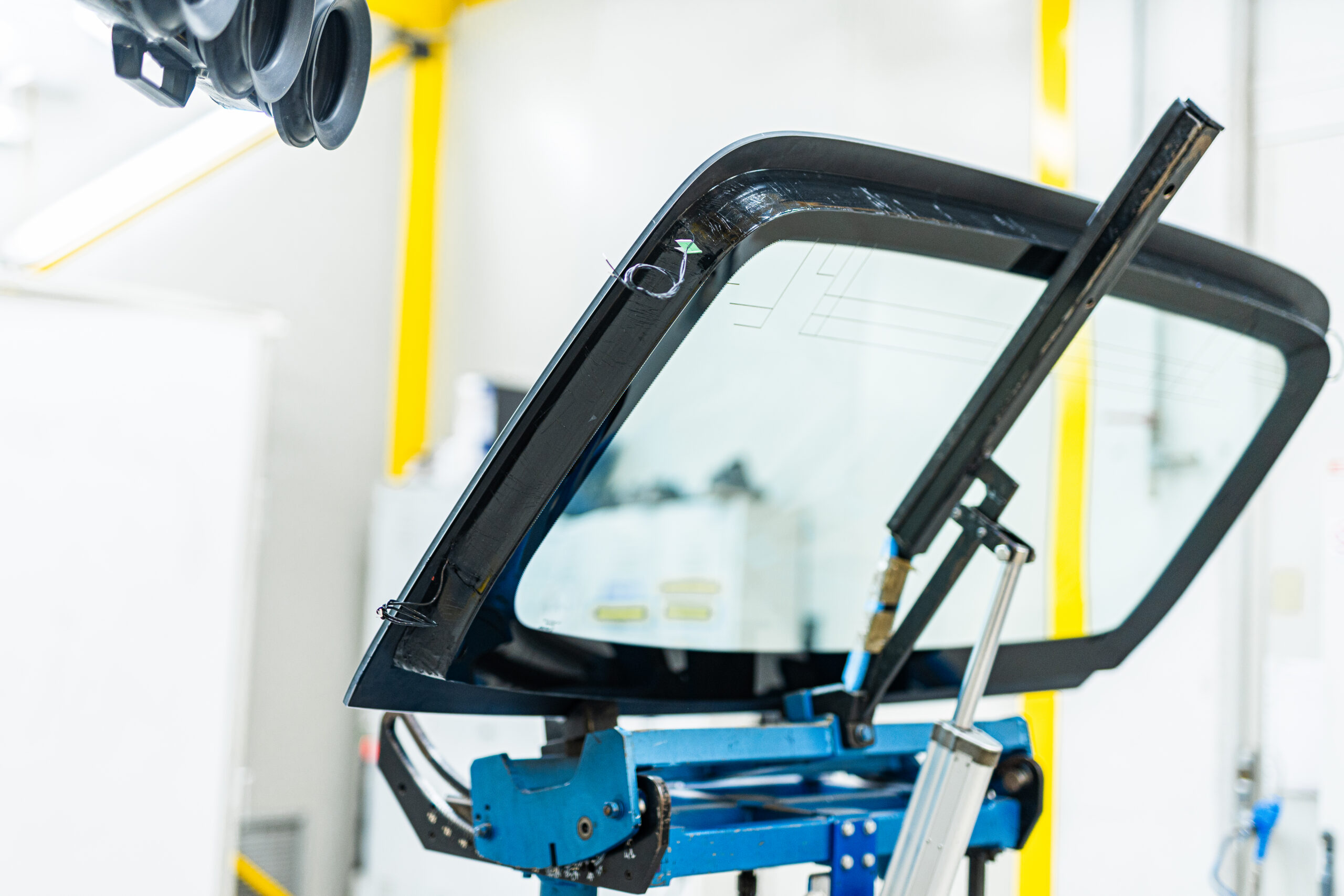
Just like ballistic-resistant glass, the glass designed to provide protection from electromagnetic waves must undergo a specific manufacturing process. Emigard is a laminated glass, offering ballistic or shatterproof protection depending on the requirements, and it features a unique and ingenious shielding system. This system can consist of a metal mesh or a transparent, conductive nanometric coating, or a combination of both elements, processed and combined together.
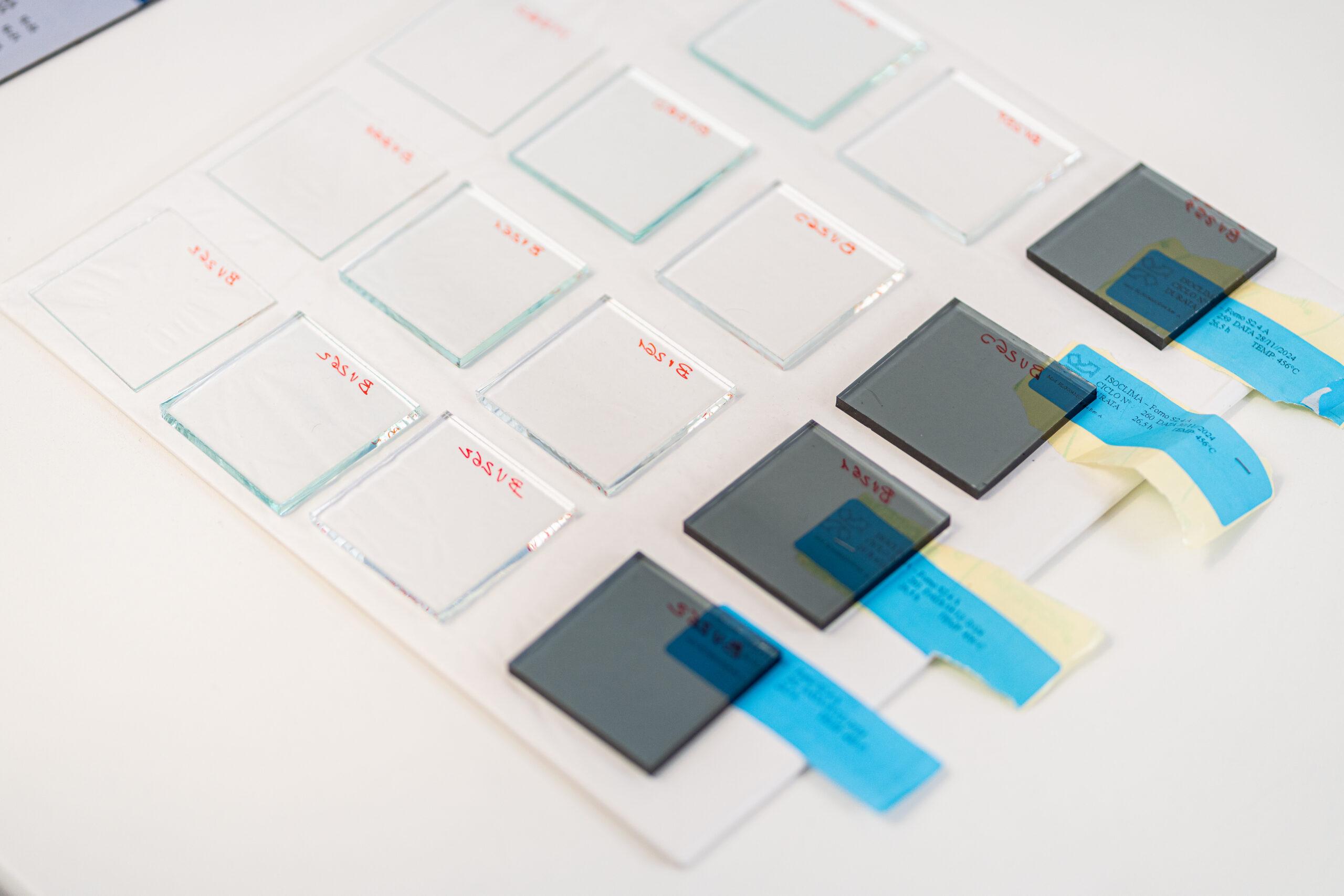
The nanometric coating is responsible for the high transparency of Emigard while still ensuring protection from electromagnetic waves through efficient electromagnetic shielding. Regardless of the data being transmitted, Emigard protects it and ensures the safety of people, preventing radiation from penetrating the body. This is a product that, due to its advanced technology and performance, we could only certify according to the strictest and most demanding quality standards.