Isoclima
27/01/2022
Share this post

The need is to protect law enforcement and vehicles from vandalism attacks that may lead, through the breaking of windows, to the penetration of foreign objects inside.
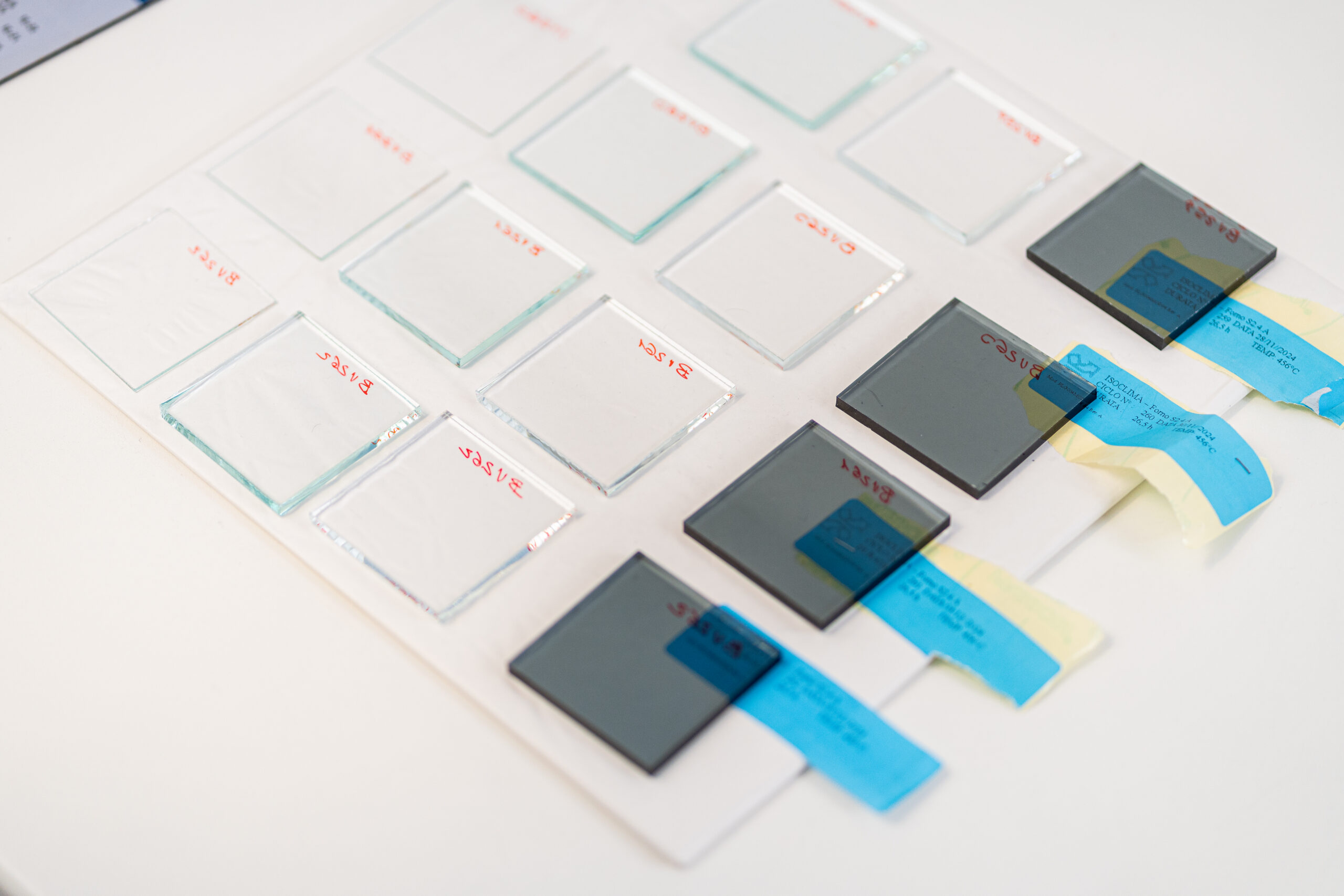
Impact resistance, reliability, optical and technical quality. These are the main characteristics of shatterproof glass, reinforced products designed to be more compact and structured. The thickness of shatterproof glass is one of the key features of this product, which is created through a lamination process that reinforces and “solidifies” it by bonding multiple sheets together. Quality and innovation are then the characteristics of our shatterproof glass, obtained through production processes in which the finished product has a superior value and is guaranteed by our systems and technologies.
Omnigard, the shatterproof glass par excellence
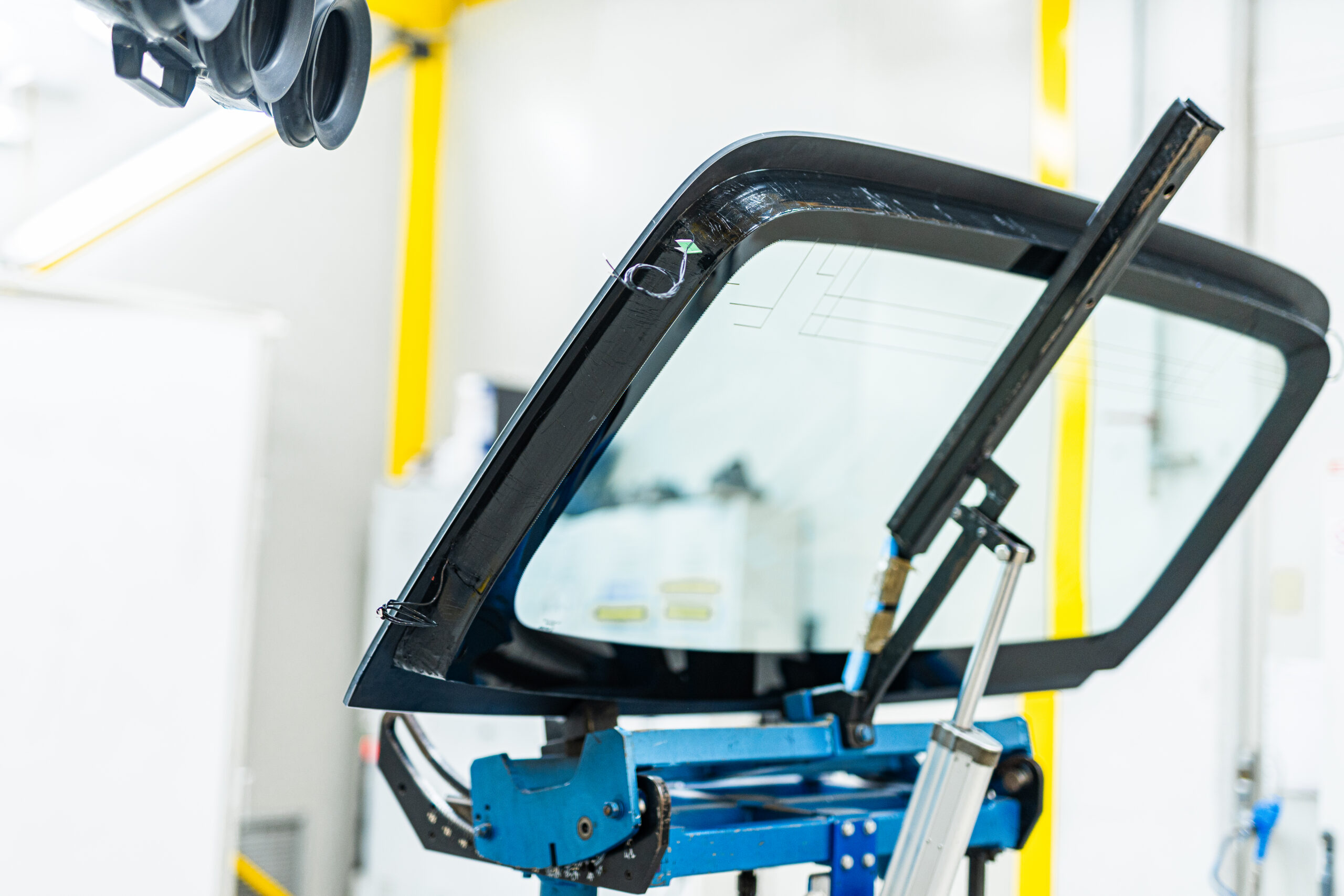
Omnigard is one of Isoclima’s most well-known products, a flagship of our production. It is not only the reduced thickness of Isoclima’s shatterproof glass that makes it so special and unique: Omnigard is obtained from products compatible with the originals and transformed into shatterproof, which are then tested, validated, and certified just like first-impact glass. Certification is another strong point of this product, as it demonstrates the innovation present in it. Destined for the automotive sector, Omnigard is in fact adopted by the major automotive manufacturers in the world for its incredible reliability and resistance. They are products perfectly interchangeable with the original transparencies and also mounted directly in line. In this way, we achieve shatter resistance, and the certainty of a product never before seen on the market.
Installation and verification testing of our shatterproof glass
For the thickness of shatterproof glass, we rely on specific plastic materials for impact resistance. The addition of materials maintains the reduced thickness of the glass, which remains thin and lightweight.
This allows us to make further progress: the installation of the glass on the vehicle’s original structure, without any modifications. The door and various door sliding systems remain exactly as designed by the automotive designers, because it’s important that technique also marries aesthetics. Do you know what one of the tests on our products consists of? In our laboratories, we subject the glass to an impact with a steel ball weighing 4.11 kg.
How does this test work?
The EN 356 standard “Security glass – Testing and classification of resistance to manual attack” is responsible for defining the test methods to classify glass based on their anti-burglary properties (in simple terms, it tests their resistance).
The ball test involves a sample of 1100 mm x 900 mm placed horizontally to withstand impacts from the 4.11 kg steel ball. Depending on the glass class, the number of impacts is determined.
Impact resistance is based on a very simple criterion: if the ball does not penetrate the sample within 5 seconds of the impact, the glass can be considered perfectly safe.
In light of such innovative and accurate tests, it is no surprise that Omnigard is the glass chosen for the vehicles of the most decorated police forces in the world, and for its incredible ability to resist impacts during events such as riots or disturbances, where the safety of officers is of paramount importance