Innovation & Tech
5 min read

Isoclima
30/01/2024
Share this post
Have you ever heard of tempered extra-clear glass? This product represents a top-tier solution in the glass industry. Its crystal-clear transparency and extraordinary strength make it an excellent choice for a wide range of applications. This variant of standard tempered glass, so unique and special, is achieved through an advanced production process that eliminates impurities and minimizes the presence of color, offering unparalleled visual clarity. The product has become one of the preferred choices for architectural projects and interior design that require a combination of aesthetics and high-level safety.
Design and Unique Features
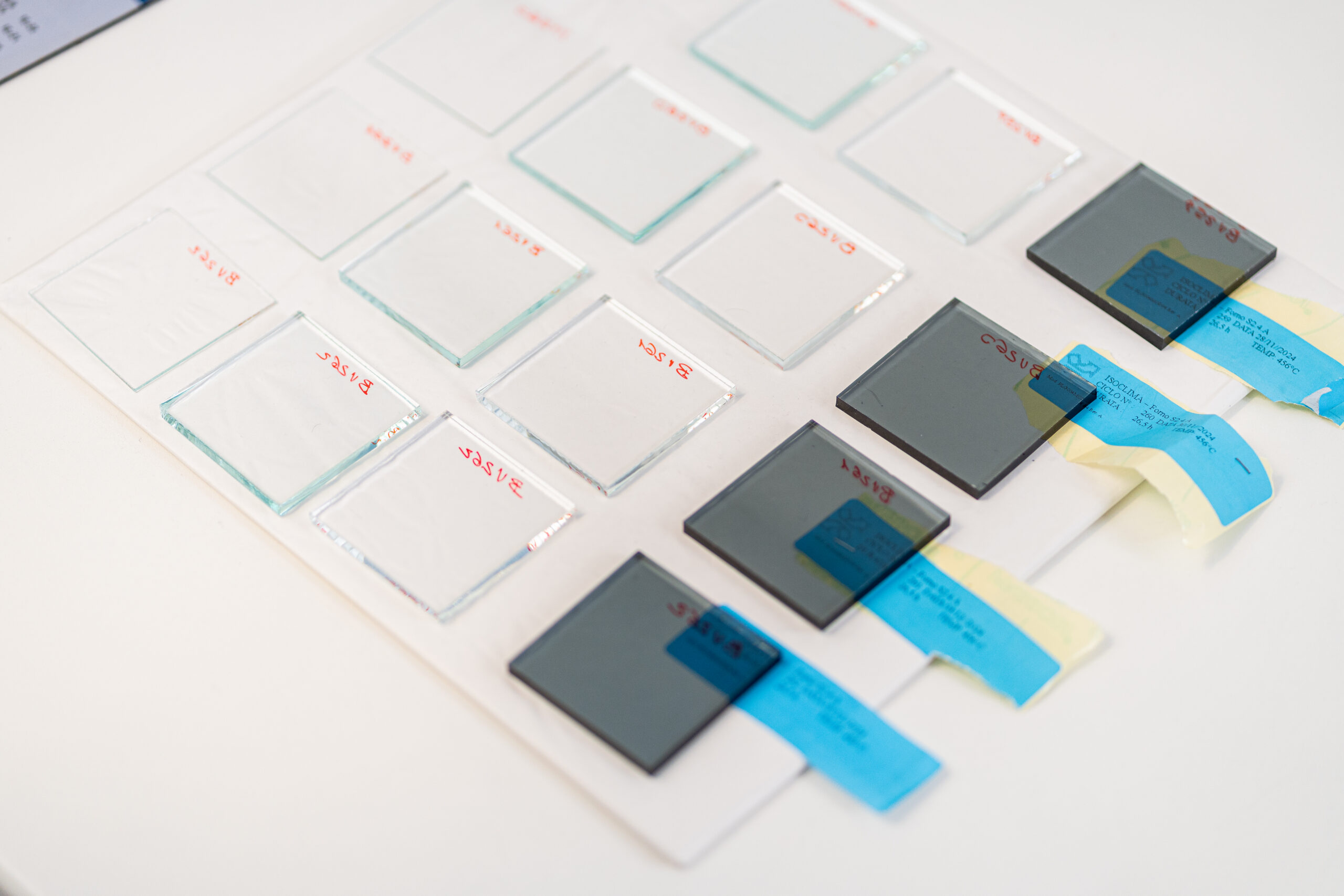
One of the main distinctive features of tempered extra-clear glass is its exceptional transparency. Compared to standard float glass, extra-clear glass undergoes a more precise melting process and uses pure raw materials, eliminating imperfections and minimizing the presence of metallic oxides that can affect transparency. The result is unparalleled visual clarity, allowing for a crystal-clear view through the glass.
In addition to its exceptional transparency, tempered extra-clear glass retains all the safety and strength qualities typical of tempered glass. Through a controlled heating and cooling process, the glass is tempered to increase its resistance to impacts and pressure, breaking into small, harmless fragments. This combination of exceptional transparency and advanced safety makes it an ideal choice for applications requiring high-performance standards.
Why Choose It
The choice of tempered extra-clear glass is often driven by the need for a balance between aesthetics and safety. Its exceptional transparency allows natural light to be fully utilized, creating bright and welcoming environments where the interior design retains its true colors. Most transparent glasses have a green tint, which reflects on the environment and alters the color appearance. With our tempered extra-clear glass, this does not happen: they are so transparent and crystalline that they do not change the color of the space. This makes it particularly suitable for applications such as building facades, partition walls, or living areas on yachts. Additionally, its exceptional strength makes it a safe choice for any environment, reducing the risk of damage due to impacts or pressure.
Tempered extra-clear glass is a testament to the continuous evolution in the glass industry. Its transparency and combination of advanced safety make it a superior choice for projects that require high-level performance.