Isoclima
16/05/2023
Share this post
“Isoclima’s 2022 results exceeded expectations, despite rising raw material costs and supply chain challenges. This positive performance is due to the creativity and flexibility that have characterized the Group’s strategy and operations,” says Daniele Santi, Isoclima’s Commercial Director, emphasizing the company’s position as a global leader in high-quality glass and transparent surfaces. These technologically advanced products are the result of an engineering process developed in collaboration with customers. “Growth has been particularly strong in the automotive and marine sectors, followed by the rail industry,” Santi explains. “But our focus is increasingly on the future, where innovation is the key word.”
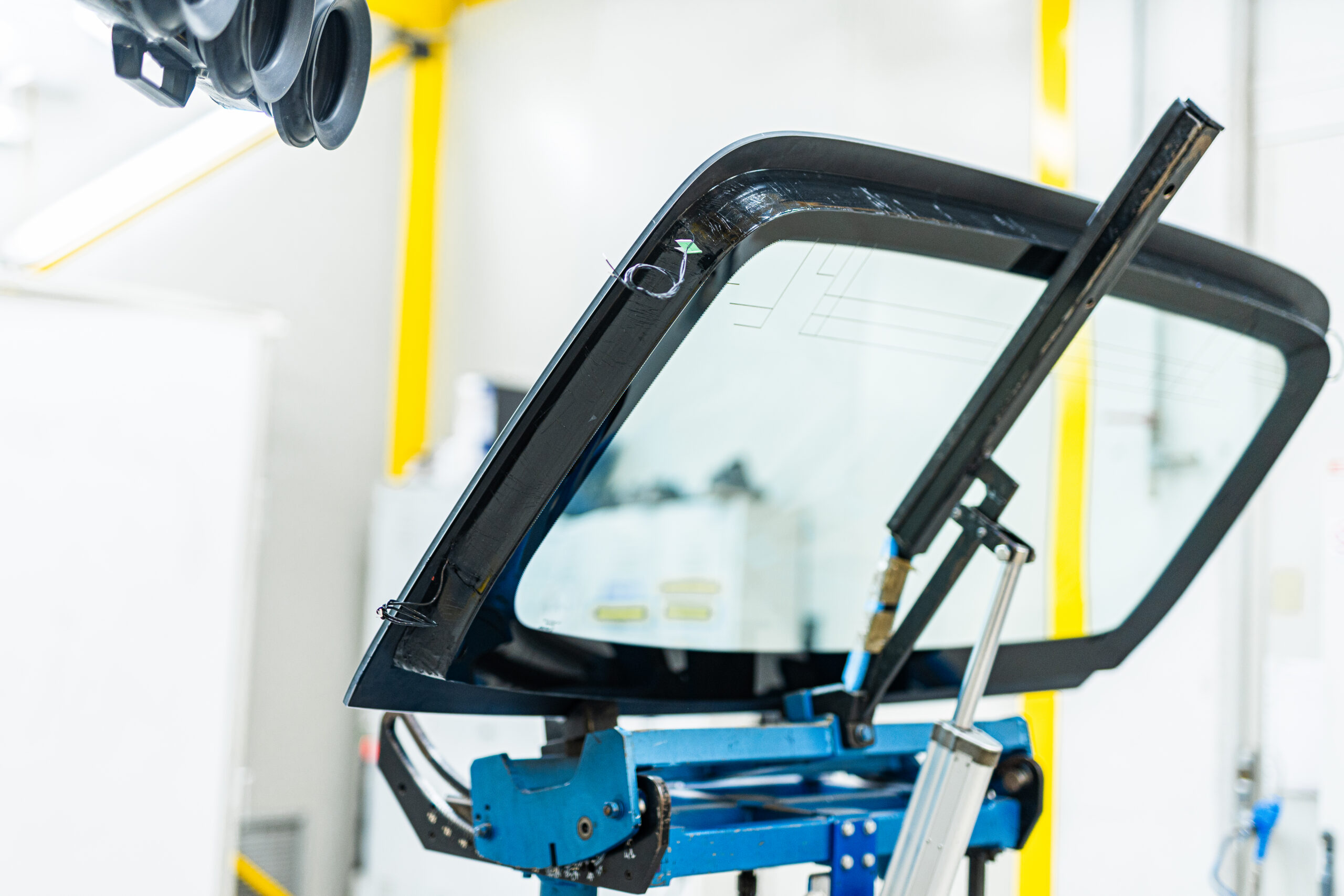
Today, Isoclima Group operates 7 production plants, holds 120 patents, employs 1,000 people, serves over 500 clients, and produces more than 500,000 square meters of glass. The company specializes in transparent protection solutions made of glass, polycarbonate, or acrylic, for applications ranging from armored vehicles to helicopters, luxury cars to yachts, rail transport to aerospace, and security architecture.
“Isoclima is capable of offering architectural products originally developed for security applications, such as anti-burglary and bullet-resistant glass,” says Santi. “This is a major concern in the United States, where, as of January 1, 2023, bulletproof glass has become mandatory in newly constructed school buildings. In response to mass shootings, American schools are increasingly adopting security measures.”
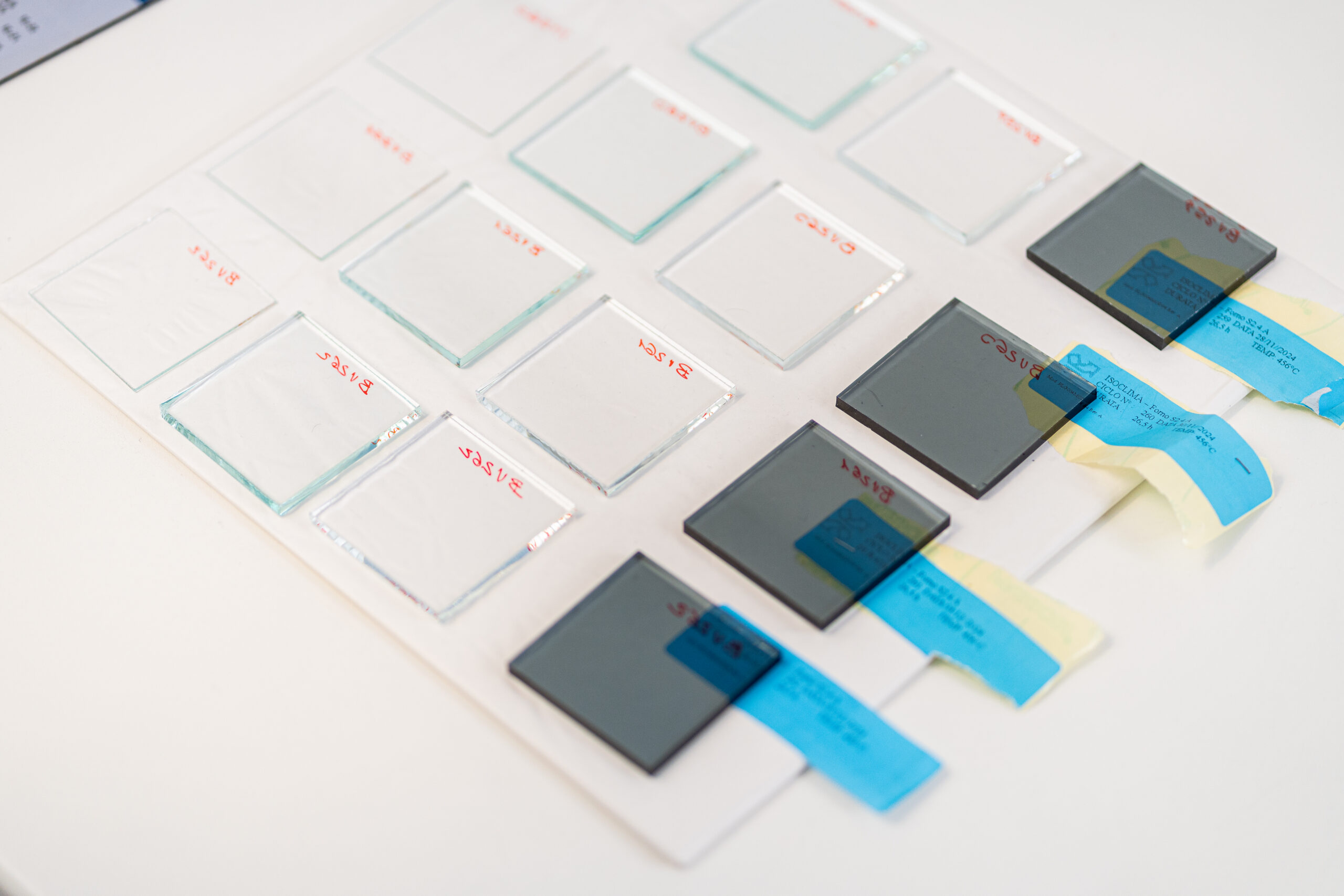
But how is glass made resistant to impacts and mechanical stress? “There are two processes that achieve this: chemical tempering and thermal tempering,” Santi explains. “Chemical tempering works differently from thermal tempering, even though the end goal is similar. However, chemical tempering offers significantly better optical performance. At Isoclima, we have chosen to invest in chemical tempering because it aligns more closely with our core business. In this area, we installed a plant in 2022 at our Este facility, capable of processing 10-meter glass sheets.”
But that’s not all. “Sustainability is also a key part of our strategic development plan. We are currently working on several projects and initiatives aimed at designing sustainable products,” Santi emphasizes. For Isoclima, carbon footprint reduction and the goal of achieving “Net Zero” are not abstract concepts but the foundation of a concrete strategy.
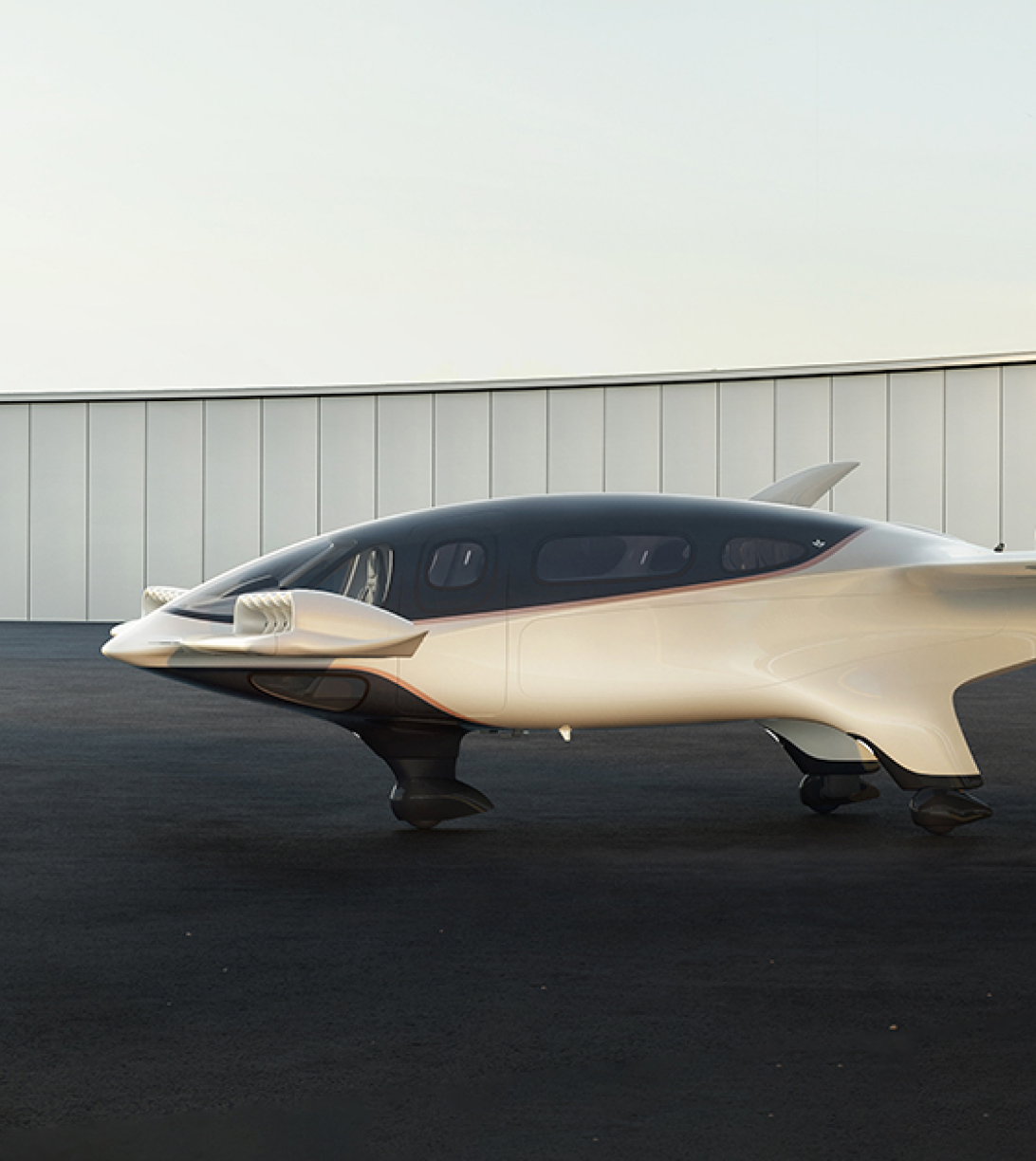
“We aim to expand our offering to include polycarbonate transparent solutions, which are increasingly in demand, and electronic glass with integrated sensors. The future is shaped by the concepts of geometry, weight, and comfort. This marks the beginning of a technological challenge that promises to revolutionize mobility. The first step is Autonomous Driving, followed by the research and development of commercial transport ‘drones’ capable of vertical take-off and landing, eliminating the need for a runway—essentially, flying taxis. These aircraft, known as eVTOLs (Electric Vertical Take-off and Landing), are powered by electricity,” Santi concludes.