Isoclima Group
09/09/2026
Share this post
Structure of Laminated Glass
Laminated glass is a composite material. It consists of two or more glass panes, bonded together by one or more interlayers. These interlayers are typically made of PVB (polyvinyl butyral) or EVA (ethylene vinyl acetate).
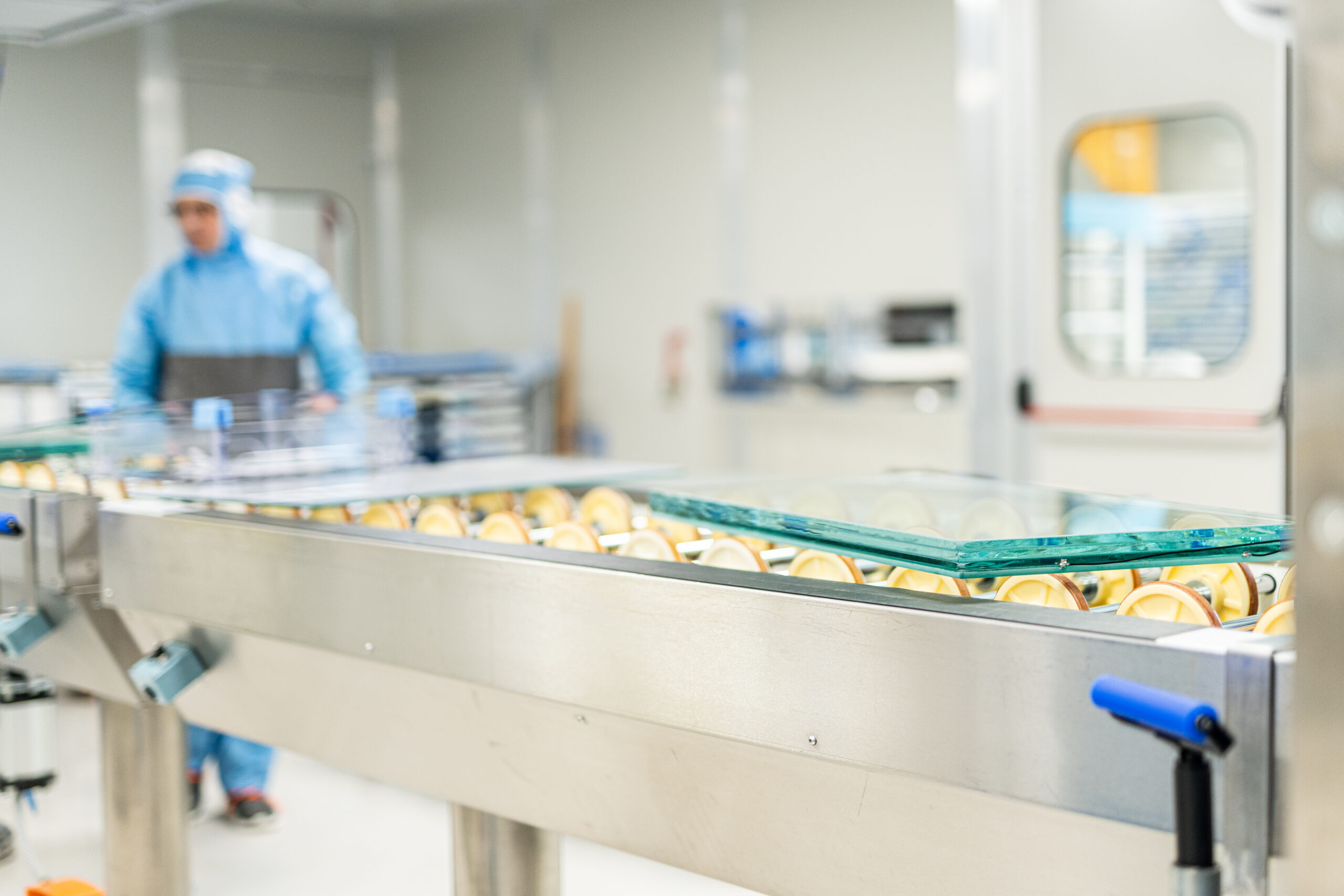
The manufacturing process starts with assembling the layers. Next, they undergo an autoclave treatment, under controlled temperature and pressure. As a result, the glass and the interlayer form a stable, long-lasting bond.
This layered structure gives the material properties that standard glass does not have. Manufacturers can adjust the number of panes, their thickness, and the interlayer type. In this way, they tailor the glass to specific needs, from ballistic protection to noise reduction, weathering resistance, and impact strength.
Differences from Monolithic Glass
Monolithic glass consists of a single pane. When it breaks, it shatters into sharp fragments. These fragments can scatter across the surrounding area, creating a safety risk.
Laminated glass behaves differently. Even after breaking, the fragments stay bonded to the interlayer. As a result, the panel keeps its structural integrity, and the risk of scattered shards drops significantly.
Because of this difference, laminated glass has become the benchmark for safety-critical applications. Monolithic glass, on the other hand, still works well in contexts where protection is not a primary concern.
Mechanical and Safety Properties
The properties of laminated glass come from the interaction between the glass panes and the polymer interlayer. Mechanically, the material resists impact and stress effectively. At the same time, it maintains controlled behavior after breakage, even under extreme conditions.
From a safety standpoint, laminated glass offers several benefits. First, it protects against intrusion. Second, it reduces the risk of injury during an impact. Third, depending on the configuration, it can provide certified ballistic or forced-entry resistance, in line with international standards.
In addition, laminated glass can deliver acoustic insulation, UV protection, and, in specific configurations, thermal or fire-resistant performance. Thanks to this combination of properties, manufacturers can design tailored solutions for different levels of required protection, without compromising on design or reliability.
Main Applications
Laminated glass is a versatile material. For this reason, it serves many industries, each with its own technical and regulatory requirements.
Construction
In construction, laminated glass appears in façades, roofing, balustrades, and window frames. Here, it ensures structural safety and shields buildings from external elements. In security architecture, it also plays a protective role: it helps buildings withstand intrusion attempts and unusual loads.
Automotive
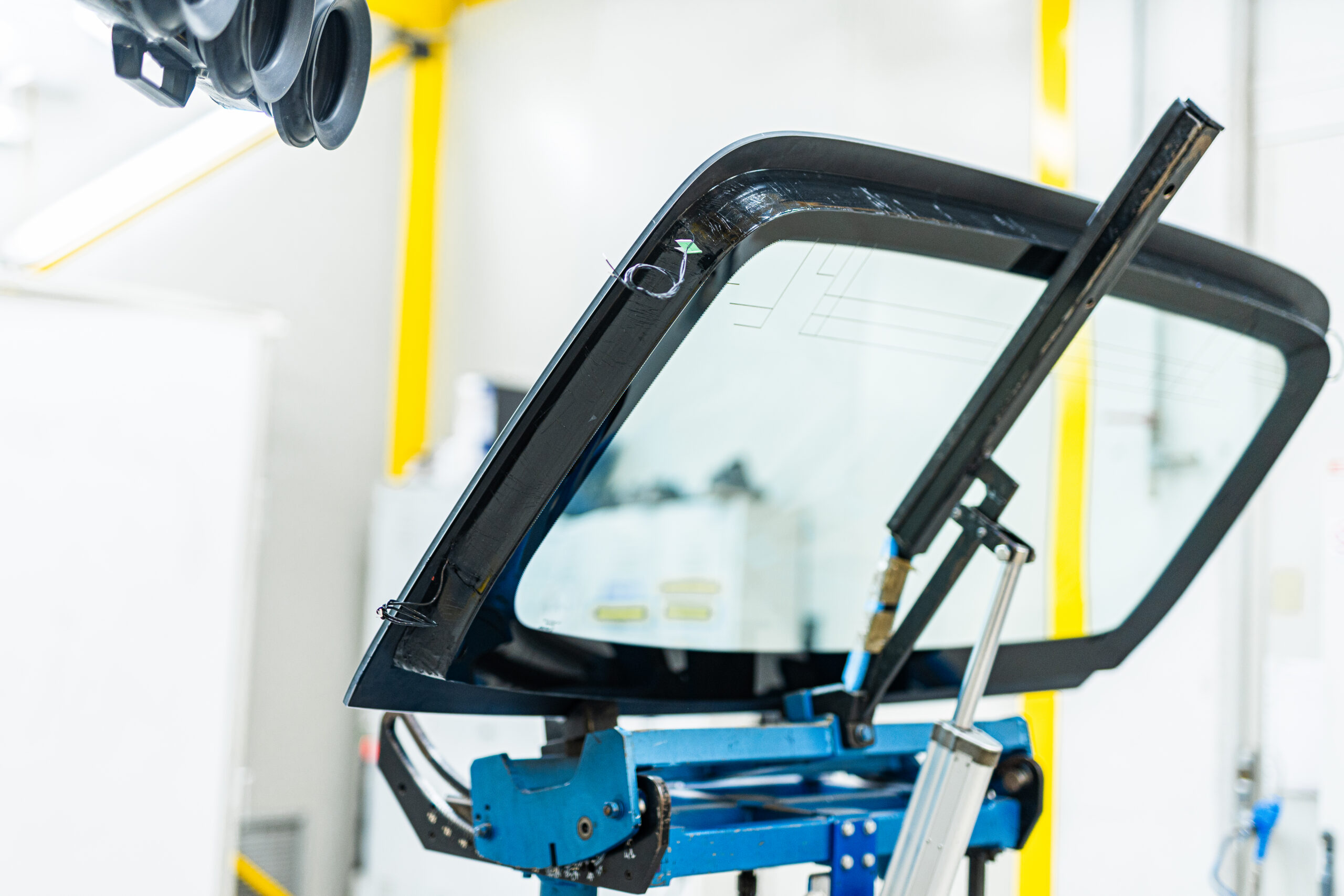
In the automotive sector, laminated glass is used mainly for windshields and side windows. It keeps the cabin structurally sound during an accident and protects occupants from flying fragments. In special and armored vehicles, manufacturers configure it to meet ballistic protection standards.
Marine
In the marine and yachting sector, laminated glass is used in wheelhouses, portholes, and external glazing. In this environment, it must resist salt corrosion, weathering, and constant mechanical stress. At the same time, it must preserve optical clarity and onboard comfort.
Overall, choosing the right laminated glass configuration takes careful engineering. It requires balancing regulatory requirements, technical performance, and aesthetic needs, to deliver solutions that last.