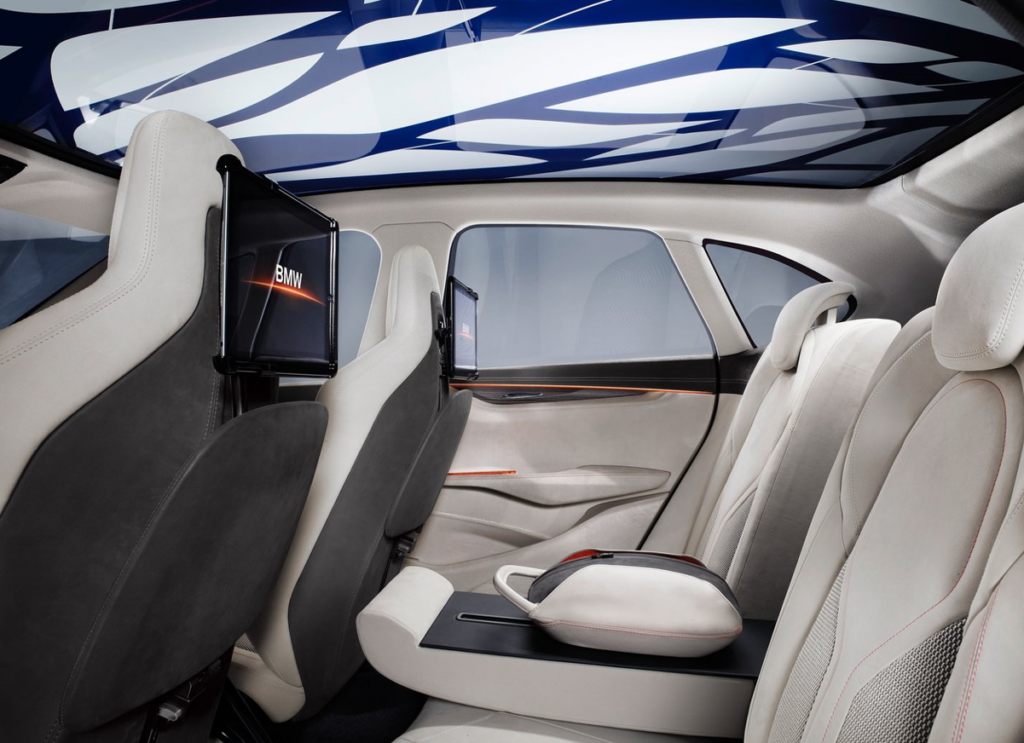
For a long time, glass has been more than just a simple surface for ships, cars, and buildings—it has become an integral part of the object’s aesthetic essence. Glass components serve a precise purpose: enhancing both aesthetics and visibility. The market quickly recognized this need, demanding surfaces that, however, presented challenges requiring attention to achieve optimal comfort and energy savings.

We have worked on our shielding systems to transform sunlight from a problem into an asset to be enjoyed from dawn to dusk. In doing so, we have identified not one, but two effective solutions.

The Filter That Protects from the Sun Without Darkening Spaces

Shielding systems aim to protect against solar radiation while maintaining bright and comfortable environments. When the glass surface area increases on a vessel, for instance, so does the amount of solar energy entering the space. The larger the glass, the more light (and thus heat) enters, creating a warm environment that must be cooled with air conditioning, leading to increased energy consumption.

The first solution we developed to address this issue involves applying an anti-IR treatment to shield interiors from excessive heat. Drawing from advancements in the automotive industry, we implemented a selective filter that blocks infrared radiation while maintaining high transparency. This filter reflects the infrared portion of incoming solar radiation, allowing for an unobstructed view of the surroundings without compromising visual quality.

Coating as a Shielding System

The second solution for our shielding systems involves the use of coatings on glass. The coating we employ has specific characteristics that make it ideal for application on glass surfaces to protect against solar radiation:

  • Next-generation coating, developed under strict research and development parameters
  • Selective solar control system
  • Reflection-based operating principle
  • Integrated solar transmittance of 28%
  • Assuming a solar load of 1000 W/m², the directly transmitted fraction is 280 W/m² compared to 800 W/m² transmitted by a corresponding laminated glass without selective coating
  • Resulting reduction in perceived thermal load

The benefits of coated glass are equivalent to those of solar control film: energy savings in air conditioning, enhanced indoor comfort, and reduced heating of interior furnishings.

With us, only the best for our planet.

For several years now, glass manufacturers have had to contribute to reducing the energy consumption of buildings and boats, both for heating and cooling indoor spaces.

Today, products are undoubtedly more efficient and innovative, the result of meticulous design that leverages all available technological resources to achieve outstanding results from multiple perspectives.

The concept of solar radiation control is becoming increasingly relevant, fostering a holistic approach to environmental protection, where even the structure itself is designed to prevent energy dispersion. The energy performance of glass naturally depends on the amount and type of solar radiation it is exposed to, which is why understanding infrared radiation and how to block it is crucial. We have developed extensive know-how in this field, and we are happy to provide you with a brief overview.

Our Versatile Solutions

What is the primary goal of a glass pane installed in a building or on a boat? It is to allow visible light to pass through while simultaneously blocking other types of radiation, such as ultraviolet and infrared rays.

Let’s distinguish between the two types of radiation.

Ultraviolet radiation is the main cause of photochemical degradation of materials (leather, wood, fabrics, plastics, and so on), which is why, in many cases, it is essential to block it.

On the other hand, infrared radiation is an electromagnetic wave that directly affects thermal comfort (and can cause overheating inside buildings).

Our technological offering for solar radiation control consists of integrating sun protection elements into laminated glass solutions. Specifically, we use advanced lamination technologies that combine heterogeneous elements, allowing for maximum visibility of the surrounding landscape without compromising the aesthetics of the structure where the glass is installed.

Two Solutions Are Better Than One

Since we always strive for excellence in our production, we have developed two systems for solar radiation control, both highly effective in filtering short-wave and long-wave infrared radiation while promoting energy savings—an essential factor for our planet.

The two systems we offer are:

  • The use of a high-selectivity multilayer coating applied to the glass
  • The application of plastic films and selective filters within the glass

As our products are always customized and precisely tailored to our clients’ needs, we assess each case individually to determine the most suitable solution based on the intended application.

In the next article, we will delve deeper into the characteristics and benefits of coatings and film applications.

One of the advantages of being a global company is the ability to embrace the most important innovation demands from the industries we work with.

Innovation, but also needs, requirements, and client desires


From these premises, our latest chemical tempering plant was born, a project that represents a major step forward in the production of extraordinarily large glass sheets. In this facility, we can manufacture glass surfaces up to 10 meters long, meeting even the most demanding customer requests. We developed this plant by analyzing key market trends, particularly in the luxury yacht sector for naval applications and large glass façades for architectural projects, bringing these requirements together into a single, cutting-edge facility.

How We Operate in Our Chemical Tempering Plant


Companies that invest in state-of-the-art technologies and facilities usually do so with the sole aim of competing in the industry.
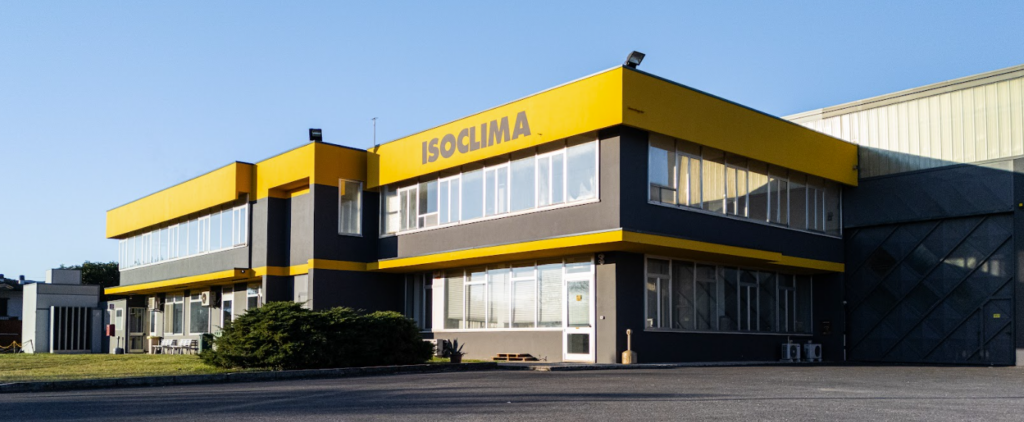
At Isoclima, we developed a chemical tempering plant not only to strengthen our presence in Italy and abroad and enhance our competitiveness but also to push the limits of what’s possible. Our goal is to always say “yes” to any challenge, achieving results that others cannot.

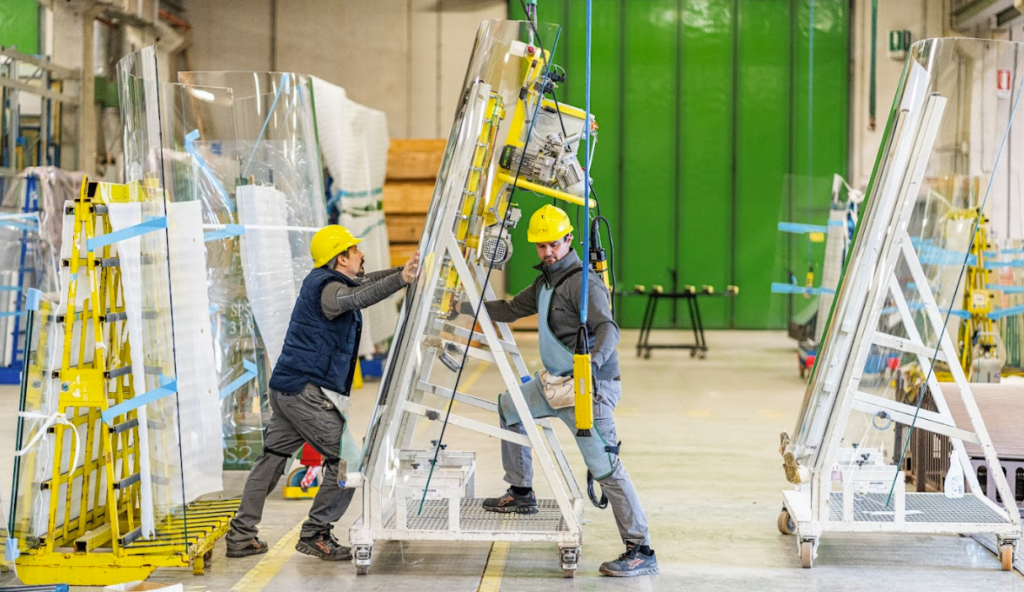
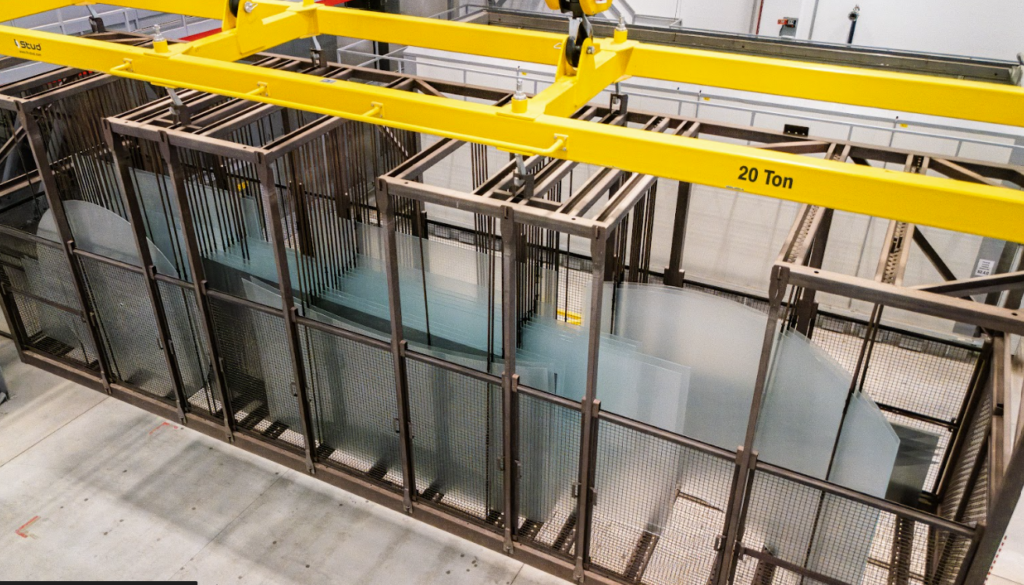
We have installed complementary processing lines for cutting, grinding, bending, and laminating large glass sheets, which can then be treated using chemical tempering technology. We process glass up to 10 x 3.2 meters, making us the only reference manufacturer in the world capable of handling such dimensions with chemical tempering.

At Isoclima, we use both chemical and thermal tempering, selecting the most suitable process based on the required characteristics and performance of the final product.

Why Choose Chemical Tempering Over Thermal Tempering in Some Cases


In our facility, large glass sheets are produced using ion-exchange chemical tempering, a process that sets us apart worldwide.

Some of its key advantages include:

  • No optical distortions
  • No risk of spontaneous breakage after processing
  • Consistency in results, always guaranteeing excellence. Our glass is certified to withstand pressure and impact. Thermally tempered glass is twice as strong as regular glass, while chemically tempered glass is five times stronger
  • Superior resistance to oxidation and limescale buildup

Additionally, we can manufacture glass that is not only exceptionally strong but also extremely lightweight, with thicknesses ranging from 0.75 mm to 25 mm, available in both flat and curved forms.

Wondering if there’s anything else extraordinary about our innovative facility? Not only can we cater to the marine industry, but our chemical tempering furnace is also ideal for smaller-scale applications across different sectors where cutting-edge technology and innovation are essential.

Do you know how much science is behind each of our processes? We’re not just referring to the technical aspects of product design and development, but also to the ancient knowledge that forms the foundation of scientific understanding as we know it today. To create glass with guaranteed and certified ballistic resistance, several disciplines must be crossed: engineering, physics, chemistry, and mathematics. These principles are put into practice by our most qualified professionals. One of the sciences that guide us every day is external ballistics, a branch of ballistics that describes the motion of a projectile through the atmosphere to understand its impact and complexity. Some of the most renowned mathematicians and physicists, such as Galileo, Tartaglia, Newton, and Euler, have questioned this complexity. Let’s explore some historical milestones of this discipline.

From the Beginnings to the Modern Era

To understand the ballistic resistance of glass, a brief journey through history is required. The first study on ballistics was conducted by the mathematician Tartaglia, who analyzed the trajectories of bombard cannon projectiles in 1537, followed by Galileo, who developed a mathematical method to calculate the trajectory, attributing its curved shape to gravity and considering the resistance of air negligible. Later, Newton’s laws of aerodynamics gave a semi-definitive imprint to these theories, adding that air resistance is proportional to the square of the velocity. Recent advancements, thanks to computers and the progress of science driven by prominent figures, have led to more reliable and accurate formulas and theories regarding projectile motion. Among these is the “6 Degrees of Freedom” (6-DOF), which allows for the calculation of the trajectory of any projectile—a theory used for military purposes.

Isoclima Serving Science

Listing all the scientific discoveries related to projectile trajectories would require more than just one article. However, these scientific revelations have allowed us to design glass with qualified ballistic resistance.
Surfaces that we subject to “stressful” tests, using innovative techniques to understand their reaction and resistance capabilities. In this way, we provide a product that resists projectiles, ensuring maximum safety for people.

The technological evolution that led to the concept of “armoring” is now increasingly widespread, to the point where, beyond the military and diplomatic sectors, protected civilian vehicles are gaining growing attention in the private sector.

The protection technology commonly associated with armored vehicles might make many think of the famous James Bond cars—cinematic speedsters that seem impossible to destroy. Following this trend, automakers have enhanced the production of armored and protected vehicles. Every car can undergo a protection process based on specific needs. Regarding glass production, our work extends in two directions: armored glass and protected glass. For armored vehicles using OmniArmor®, we either work on products equivalent to the originals or start from scratch. In the case of protected vehicles using OmniGard®, the glass is created from scratch.

This flexibility allows us to collaborate with some of the most renowned automotive brands in the world.

How an Armored Vehicle Glass Process Works

We are leaders in the development of bulletproof and armored glass for protected civilian vehicles, providing anti-bandit products with the highest levels of ballistic protection. As mentioned earlier, the production of such glass is done in collaboration with the parent companies that commission the work: Mercedes, Audi, BMW, Stellantis, Volvo, Brabus, and private outfitters are just a few of the clients with whom we have been working closely for years. The production can either be in large volumes or One-Off, always based—regardless of the case—on national and international road standards, certified and qualified, according to stringent regulations we adhere to effortlessly and gladly. After all, for us, the protection of people always comes first.

Collaborations and Success Stories

Whether it’s producing glass for institutional vehicles, military bodies, or protected civilian vehicles, every solution is developed alongside the outfitter to optimize the integration of the glass into the overall vehicle armor concept.

Here are a few more details. Our “ballistic range” for the ballistic protection of civilian vehicles follows these technical specifications: from the 9 mm Luger to the 7.62×54 Dragunov.

Our “vehicle range” for vehicles we can armor includes sedans, SUVs, sports cars, and limousines.

In addition to the prestigious projects developed with OEMs, some of our most notable works include:

  • The Mercedes G-Class customized by the German preparer Brabus, an armored vehicle capable of withstanding extremely tough and complex attacks. It has a VR6 ballistic protection level, protection against 7.62×39 caliber bullets.
  • The Mercedes Benz S-Class armored by Van Berkel with VPAM 4 certified protection, the most widely used protection level for civilian vehicles. Capable of withstanding gunfire and explosions, this vehicle is a powerhouse for personal safety.
  • The Aston Martin DB 11 armored by Trasco-Bremen. With a VPAM 4 ballistic level, this British luxury sports car combines the elegance of a high-end vehicle with the safety guaranteed by Isoclima.

Where extreme protection from external attacks is required, where the safety of people inside buildings must be ensured, Isoclima glass products are always there. Our architectural products are tested with the most innovative technologies in the world and feature specific characteristics such as thermal insulation and sound insulation, while also maintaining the design and comfort required in the planning phase. Our anti-shatter glass exterior doors are used in many buildings, from banks to shops, as well as in government institutions in Italy and abroad.

For over 15 years, we have been helping clients whose businesses could be compromised daily, guaranteeing protection and safety.

Technical Specifications and Defense Requirements

For anti-shatter glass exterior doors, we design special composition glass, both flat and curved, tailored to specific requests or standard sizes. This gives our clients the opportunity to choose the best solution for them and their business, offering a product perfectly calibrated and compliant with current regulations. The exterior doors are laminated glass structures with interlayers that are highly resistant to forced entry and designed with anti-burglary systems, as required by law.

The customization of our products is demonstrated by the fact that we can provide both flat and curved glazing with very high optical quality, even for large dimensions (such as 3m x 2m).

Global Security Glazing: Our U.S. Branch Producing an Innovative Glass

Our productions know no boundaries, and the company Global Security Glazing, located in Alabama, is proof of that. Here, we create a special product designed for American schools to protect students from potential terrorist attacks.
The security glazing CHILDGARD® is developed at the explicit request of educational institutions to provide greater protection to their students. CHILDGARD® is a laminated glass with an advanced security interlayer designed to withstand extended physical attacks in the event of a forced entry.

Among anti-shatter glass exterior doors, CHILDGARD® provides aesthetic advantages and daylight illumination through the glass, with an additional layer of security essential for ensuring protection without compromising the design and aesthetic beauty of the building.

CHILDGARD® is tested according to nationally recognized detention standards (ASTM F1233-08) and can be installed in standard industry doors, frames, and window systems.

The ideal solution against external threats, allowing people to live, work, and study in complete peace of mind.

Three innovative solutions that are part of our transparencies—three concrete examples to present a brief but insightful roadmap of Isoclima’s projects.

One of the characteristics that set us apart in the market is our versatility—we might even say our ‘chameleon-like’ adaptability. For every project, we always manage to find a precise and specific solution that combines high product quality with customer requirements. While many know us for our work in the automotive industry, such as electrically dimmable glass, our expertise is also sought in other prestigious sectors like yachting and aerospace. These three examples are tangible proof.

Directly from the Future: Variable Transparency

Have you ever heard of variable transparency? It is a technology that allows optical properties to be modulated through human or artificial intelligence. The key drivers of this innovation are comfort and the technological challenges posed by customers across various sectors. This technology functions as an optical window within the electromagnetic spectrum, with the ability to control transmittance in both the visible and infrared range. This allows users to choose between visibility or privacy while regulating the amount of solar radiation that enters a space.

Lightweight, Thin, Yet Resistant: Our Glass for Human Safety

It may sound like a paradox, but it’s not. How can a lightweight and thin glass protect people? The answer lies in cutting-edge technology. Our transparencies safeguard against both intentional and accidental threats, ensuring maximum safety for people and objects within a given environment. This is achieved by employing front-end technologies that minimize weight and thickness without compromising exceptional resistance. Just like electrically dimmable glass, scientific advancements play a crucial role, alongside meticulous design and manufacturing expertise. We push glass to its limits to achieve the necessary performance against threats while also reducing weight and space requirements.

Transparencies That Communicate

It is a paradigm shift to think of glass surfaces evolving from passive design elements to active, connected components capable of receiving and transmitting information. We are developing products that are increasingly interconnected, enabling communication and the activation of specific functions. Specifically, electronic and photonic devices, such as integrated sensors and interactive displays, are embedded within the glass, allowing it to connect and exchange information.

If electrically dimmable glass seems futuristic, imagine something even more advanced. The future is already here, and at Isoclima, we are proud to be part of it.

A thermochemical cycle among the most reliable in the world, a processing that requires a deep knowledge of chemistry, based on sector studies and scientifically proven concepts. Talking about chemical tempering for ion exchange is like “diving” into a chemistry textbook and starting to flip through the pages full of formulas and principles resulting from cutting-edge studies. But let’s take a step back: why is chemical tempering used? When glass is subjected to tensile stresses, the presence of microscopic cracks (called fissures) on the surface intensifies the stresses at the edges, causing the cracks to spread and ultimately resulting in the glass breaking. These fissures represent the primary reason for the low mechanical resistance of the glass to stress, which is why a counteracting intervention is necessary to prevent the appearance of cracks.

How to solve the glass fissures

At this point, you don’t go directly to chemical tempering for ion exchange, but you choose. Once it’s understood that an internal surface precompression layer must be introduced to make the glass more resistant, the compression can be done in two ways: thermally or chemically. While thermal tempering works at high temperatures, chemical tempering allows overcoming some limitations of thermal tempering and achieving a more efficient product. Chemical tempering is praised and appreciated for guaranteeing a reduced thickness of the glass, regardless of its intended shape. It also allows maintaining perfect surface geometry, resulting in significantly superior tempering levels.

If the glass has a specific thickness, has complex curvatures, and needs to resist mechanical stress much higher than normal, thermal tempering is not the right option, and chemical tempering is applied, resulting in a stronger and more durable glass.

Ion exchange

So why do we talk about chemical tempering and ion exchange? In chemical tempering, the glasses to be treated are immersed in a bath of molten potassium salts at a temperature above 380°C, causing an exchange between the sodium ions on the surface of the glass and the potassium ions in the salt. Potassium ions are larger than sodium ions, which allows for the establishment of a system of residual stresses characterized by compression tensions on the surface balanced by tensile stresses inside the glass. In short, chemically tempered glass has a higher surface tension, and resistance compared to thermally tempered glass. In the event of breakage, thermally tempered glass shatters into small, non-sharp fragments, while chemically tempered glass breaks into larger, less sharp pieces than untreated glass. To break chemically tempered glass, a force 10/15 times greater than that required for thermally tempered glass is needed, which can tolerate stress 4/5 times higher than untreated glass. Due to the higher resistance of chemically tempered glass, do you still have doubts about which to choose?

They meet the most diverse needs thanks to their versatility and innovative technology, and they are highly sought after in the market. Multilayer panels have specific sizes and characteristics to provide customers with a product capable of meeting protection requirements ranging from the simplest to the most complex.

Such as? Protection from sunlight or external hazards is the most “basic” one. Solutions for shielding against electromagnetic interference, firearm attacks, or explosions are the most complex and specialized. Depending on the client’s requirements, a specific manufacturing process is carried out for the intended use of the panel.

Many products, one principle: technology and reliability

Every Isoclima-branded product is designed, developed, and manufactured following a principle that blends technology with reliability at every stage. In addition to this, our products offer a high level of customization, such as the size of multilayer panels, whose dimensions are naturally based on customer requirements. The multilayer panel consists of a float or Gorilla glass sheet with plastic films (PVB, polyurethane) and contains a combination of glass, polycarbonate, and the aforementioned plastic films. Based on customer requests, we incorporate films or metallic coatings to reduce the impact of solar radiation and/or electromagnetic interference. What determines the composition of the panel? The required security level, based on the potential threats faced by people inside the building. As a result, the panel serves various functions: it can be designed to protect against bullets or potential attacks and explosions.

How a multilayer panel is developed

The lamination of multilayer panels takes place in clean rooms with precise temperature and humidity control. The function of the clean room is to ensure defect-free products with excellent lamination reliability. Not only can the sizes of multilayer panels be customized, but they can also take various shapes, such as spherical, cylindrical, conical, flat, and more. During the lamination phase, certain technical requirements can be tailored depending on the final application. The lamination is performed in an autoclave, where specific heat and pressure are applied to each type of multilayer panel, a choice made based on the intended use conditions. The construction of multilayers is studied and certified according to their application needs. The main ones are:

  • Thermal insulation

  • Solar control
    & UV/IR radiation filtering

  • Acoustic insulation

  • Decoration and design

To manufacture a multilayer panel, we can use either chemical tempering or thermal tempering, both of which further enhance mechanical resistance. One of our top products is Omnilite®, chosen as the glazing solution for the Italian Embassy in the United States. Transparency, strength, and lightness beyond any other product.

How do you make glass resistant to impacts and mechanical stress? There are essentially two processing techniques that allow this: chemical tempering and thermal tempering. In thermal tempering, as the name suggests, the processing is based on temperature. The glass is heated to a very high temperature, around 600°C, and then rapidly cooled, which makes it not only resistant to impacts but also to thermal shocks. In fact, a glass that has not undergone this process will break between 50 and 100°C, while a thermally tempered glass is perfectly balanced to resist various temperature fluctuations.

The chemical tempering processing

Chemical tempering works differently from thermal tempering, although the final purpose of the product is the same: to resist impacts and stress. Chemical tempering does not require high temperatures, which can be an advantage. On the other hand, however, it requires a very specific knowledge of raw materials to avoid issues during processing. While thermal tempering poses the risk of deforming the object due to high temperatures, this does not occur with chemical processing. The product obtained from chemical tempering is also suitable for complex-shaped objects, with a wide range of applications. With chemical tempering, part of the sodium ions in the surface layers of the glass are replaced by potassium ions, which are larger in size and promote the glass’s resistance. This happens at a temperature lower than the normal glass processing temperature of around 450°C.

Details and advantages of this processing

The compressed layer is very thin, in fact, chemically tempered glass is widely used in the automotive sector, also for its transparency.

For some, it may be a deterrent, but if processed correctly and with innovative technologies, chemically tempered glass is perfect for its intended use. The ion exchange we mentioned earlier takes place in molten potassium salt baths. During the process, an important phenomenon occurs: the level of residual stress is characterized by surface compression tensions compensated by tensile stresses inside the glass.

Since this processing represents our core business, we couldn’t help but invest in it. The first chemical tempering plant was installed in 1994 and processed sheets measuring 3.2 meters by 2 meters, a milestone that was unimaginable at the time and still in operation today. Since then, we have made great strides, and 2022 marks a significant turning point for us. We have installed a plant capable of processing sheets up to 10 meters, a capability that only our Este facilities can provide. And the first incredible results have not been long in coming: the laminated spherical glass intended for the naval sector is a product of high engineering and aesthetics, with exceptional characteristics such as multiradius 3D curvature, perfectly aligned sizes and geometries, and precise final performance that unmistakably bears our signature.