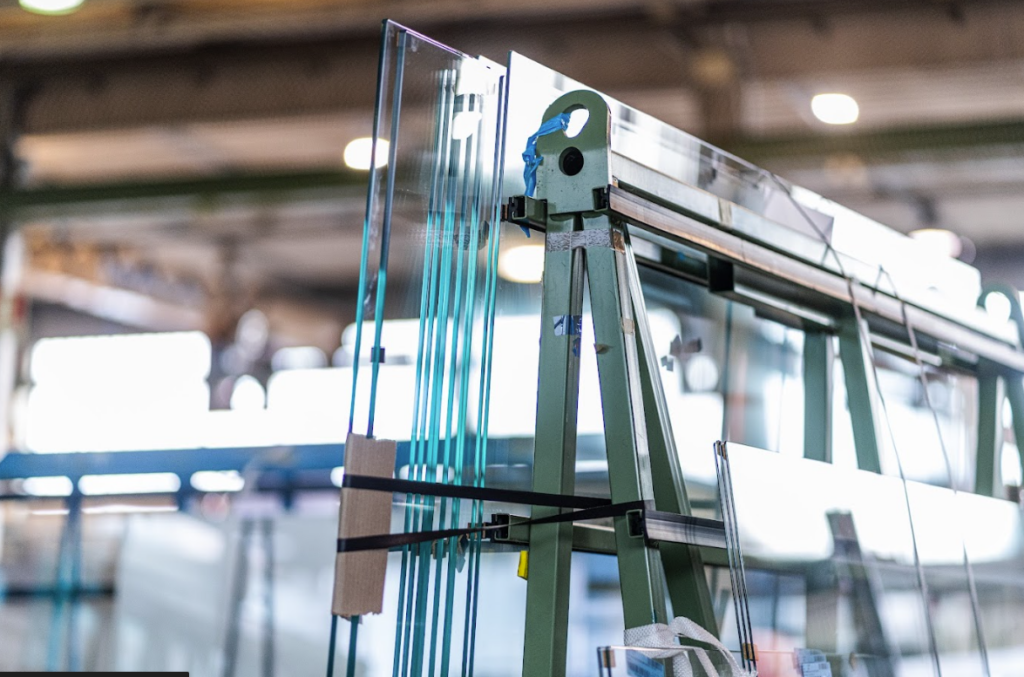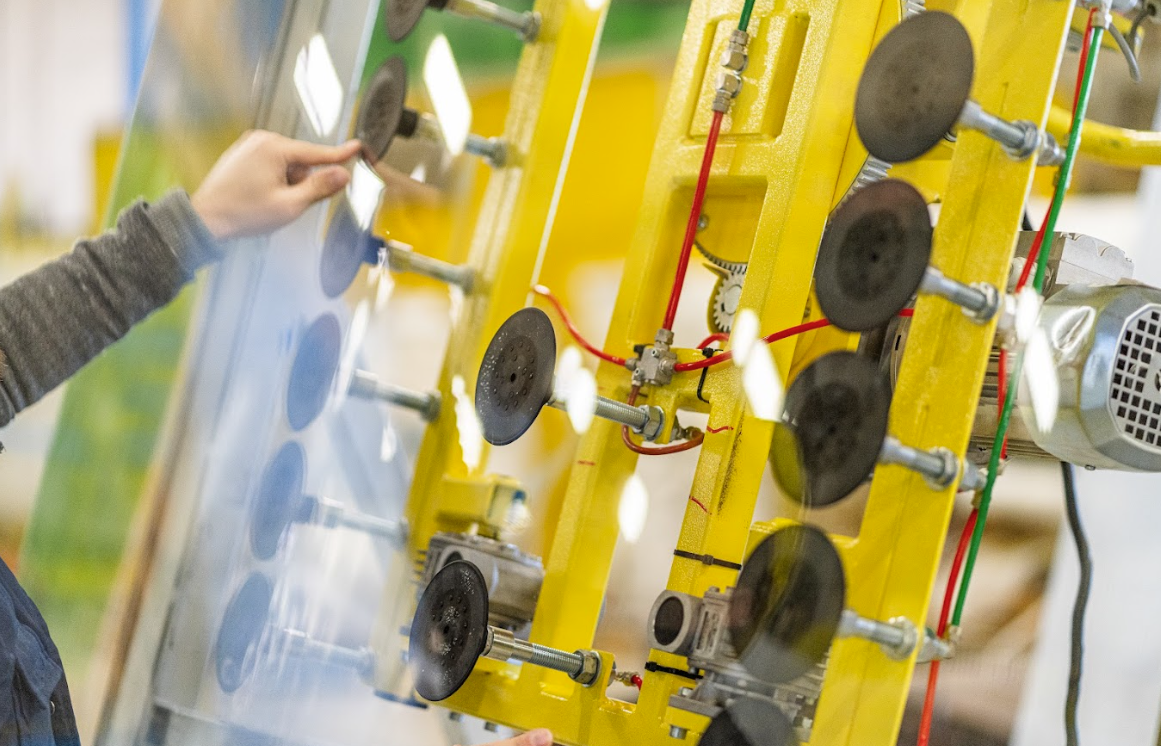
Have you ever heard of tempered extra-clear glass? This product represents a top-tier solution in the glass industry. Its crystal-clear transparency and extraordinary strength make it an excellent choice for a wide range of applications. This variant of standard tempered glass, so unique and special, is achieved through an advanced production process that eliminates impurities and minimizes the presence of color, offering unparalleled visual clarity. The product has become one of the preferred choices for architectural projects and interior design that require a combination of aesthetics and high-level safety.

Design and Unique Features

One of the main distinctive features of tempered extra-clear glass is its exceptional transparency. Compared to standard float glass, extra-clear glass undergoes a more precise melting process and uses pure raw materials, eliminating imperfections and minimizing the presence of metallic oxides that can affect transparency. The result is unparalleled visual clarity, allowing for a crystal-clear view through the glass.
In addition to its exceptional transparency, tempered extra-clear glass retains all the safety and strength qualities typical of tempered glass. Through a controlled heating and cooling process, the glass is tempered to increase its resistance to impacts and pressure, breaking into small, harmless fragments. This combination of exceptional transparency and advanced safety makes it an ideal choice for applications requiring high-performance standards.

Why Choose It

The choice of tempered extra-clear glass is often driven by the need for a balance between aesthetics and safety. Its exceptional transparency allows natural light to be fully utilized, creating bright and welcoming environments where the interior design retains its true colors. Most transparent glasses have a green tint, which reflects on the environment and alters the color appearance. With our tempered extra-clear glass, this does not happen: they are so transparent and crystalline that they do not change the color of the space. This makes it particularly suitable for applications such as building facades, partition walls, or living areas on yachts. Additionally, its exceptional strength makes it a safe choice for any environment, reducing the risk of damage due to impacts or pressure.

Tempered extra-clear glass is a testament to the continuous evolution in the glass industry. Its transparency and combination of advanced safety make it a superior choice for projects that require high-level performance.
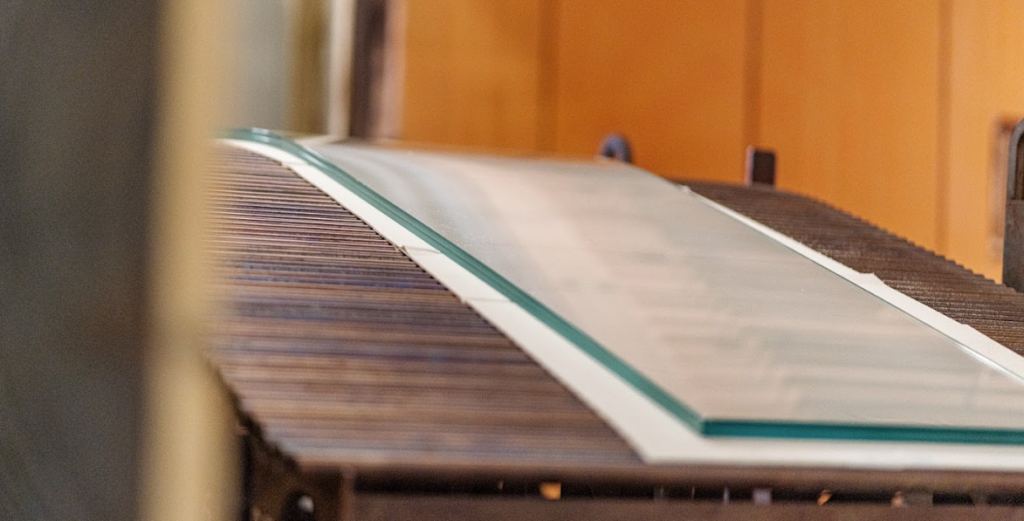
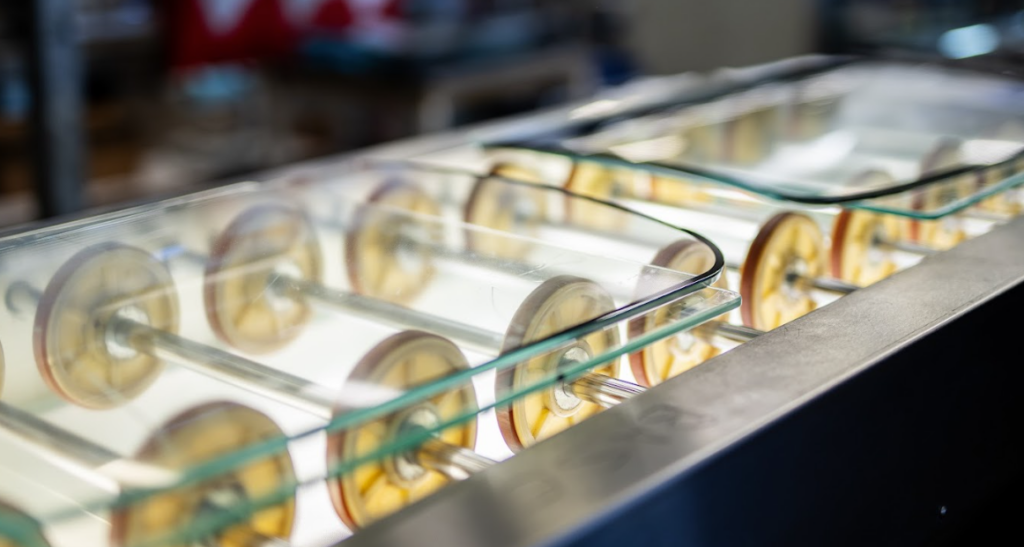
The evolution in glass production has reached extraordinary heights with the introduction of tempered curved glass. These remarkable glass panels, made through a combination of advanced bending and tempering techniques, offer a level of design and strength that exceeds expectations. This exceptional product has opened new possibilities in the world of architecture and design, making it possible to create curved surfaces that are both safe and durable.

Characteristics and Features

One of the most distinctive characteristics of tempered curved glass is its ability to resist deformation caused by the curvature. Thanks to sophisticated manufacturing processes, the glass is heated to controlled temperatures, allowing it to be molded into curved shapes without compromising its strength. This makes tempered curved glass suitable for applications where shape is crucial, such as iconic building facades, balustrades, guardrails, partition walls, or design decorative elements. Additionally, tempered curved glass maintains all the safety features inherent in standard tempered glass.
In the event of breakage, it shatters into small, non-sharp granules, minimizing the risk of injury. This property makes it an ideal choice for environments where safety is a priority. For example, it is often used in public spaces such as shopping malls and airports, where the combination of design and safety is essential.

Extraordinary Applications and Cutting-Edge Design

Tempered curved glass has opened new horizons in architectural design and is increasingly used in the nautical sector. Its fluid, sinuous shapes allow for the creation of iconic buildings that challenge traditional architectural conventions and in mega yachts. This innovative technology has enabled architects to express their creativity in ways never seen before, creating unique and extraordinary spaces.
Beyond architecture and nautical applications, tempered curved glass is also used in interior design, helping to create modern and immersive environments. At Isoclima, we are leaders in the production of large-sized tempered curved glass, a clear example of how technological innovation can transform a traditional material like glass into an extraordinary product. Its ability to combine curved shapes with exceptional strength makes it a design element like no other. The wide applicability in sectors like architecture and the nautical industry reflects its growing popularity and the excitement it generates among architects and designers worldwide.

The history of laminated safety glass dates back over a century, to 1903, when French chemist Edouard Benedictus had a revelation that would forever change the glass and safety industries.

After a laboratory accident in which a bottle containing solvents broke, Benedictus noticed that the glass inside did not shatter into small pieces but remained adhered to its interior. This event inspired his work on laminated glass, a technology that combines multiple layers of glass with an intermediate layer of plastic material.

Evolution and Functioning

Laminated safety glass is produced through a process that involves assembling at least two layers of glass with an intermediate layer of polymeric material, typically polyvinyl butyral (PVB). This intermediate layer gives the glass significant impact and penetration resistance.
In the event of breakage, the glass fragments remain adhered to the PVB, reducing the risk of injury and preventing the passage of dangerous objects. This feature is particularly crucial in situations where safety is a priority, such as in partition walls, vehicles, and industrial applications.

Various Application Sectors for Such a Special Glass

Laminated safety glass has become a fundamental element in ensuring the safety of things and people across a wide range of sectors. In the fields of architecture and the naval industry, it is widely used for facades, windows, and partition walls.
These applications provide a higher level of safety by protecting against impacts and reducing the risk of injury in case of breakage.
In vehicles, laminated glass is essential for occupant safety, as it reduces the risk of injury in the event of a collision and prevents unauthorized access. Furthermore, laminated glass is used in the industry, where it protects against chemicals and harsh environmental conditions. The discovery and evolution of laminated glass represent a turning point in the safety of things and people. Thanks to its innovative structure and its ability to provide a barrier resistant to impacts, this technology has become indispensable in numerous applications.
The widespread use of laminated glass in sectors such as architecture, automotive, and industry highlights the crucial role it plays in ensuring the safety and well-being of communities worldwide.

For several years, custom tempered glass has established itself as an innovative and highly customizable design solution for a wide range of applications.

Thanks to our advanced technologies in the glass processing sector, we are now able to create custom glass surfaces that perfectly fit any context, from residential architecture, to the naval, aerospace, and railway industries, to automotive applications, as well as commercial spaces. This design versatility is made possible by a cutting-edge production process that ensures a high-quality and durable final product.

One of the distinguishing features of custom tempered glass is its ability to be cut and shaped according to the specific needs of the customer. This means there are no limits to the size, shapes, or finishes that can be achieved, based on the raw materials available today in the market. Whether it’s partition walls, worktops, decorative elements, or components related to transportation (automotive, naval), custom tempered glass offers unparalleled design flexibility. Moreover, due to its superior resistance compared to annealed glass, it guarantees a longevity that exceeds expectations.

Why Choose It

Custom tempered glass also stands out for its exceptional resistance to impact and pressure.

This characteristic results from a special thermal process in which the glass is heated to high temperatures and then quickly cooled. This process gives the glass a higher internal tension compared to traditional glass, making it up to five times more resistant to impact. Additionally, in the event of breakage, tempered glass shatters into small, non-sharp granules, reducing or virtually eliminating the risk of injury.

The safety of custom tempered glass is further ensured by the fact that it is produced in compliance with the industry’s strictest safety standards. These standards are designed to ensure that the glass meets safety requirements for specific applications, such as partition walls in public spaces or facades of residential buildings. This means that custom tempered glass products not only offer customized design but also ensure a safe and secure environment.

Endless Applications and Environmental Sustainability

Custom tempered glass finds applications in a wide range of sectors, from architecture and interior design to the automotive, naval, railway, and aerospace industries. In addition to its versatility, tempered glass is also an eco-friendly choice. Why? Its production process has a lower environmental impact compared to other alternatives, and once installed, tempered glass requires minimal maintenance, contributing to the sustainable management of spaces.

For us at Isoclima, custom tempered glass is a product we handle with the utmost care and attention, and it stands as an excellence in the glass processing sector. Its ability to offer highly customizable designs, combined with unrivaled quality and resistance, makes it an ideal choice for projects that require unique, personalized, and high-quality solutions. Whether for residential architecture or commercial spaces, custom tempered glass is a testament to the synergy between technology and design, and remains a valuable choice for those seeking excellence in the field of custom glass.

Isoclima is undergoing a profound transformation in the Aerospace sector. In order to offer cutting-edge solutions in terms of weight, geometry, durability, optical and thermal characteristics, the company has shifted from “Build-to-Print” production to “Build-to-spec” production. The “Build-to-spec” approach requires meeting project requirements through advanced planning of the development, design, and qualification phases. ISOCLIMA has organized a research and development laboratory for new materials and a design organization that, through the use of mathematical models and digital models, allows for simulating product behaviors before they are even produced. The final qualification phase involves product validation through experimental tests conducted both in its own laboratories and at international laboratories.

Polycarbonate: The New Paradigm of Transparent Materials in the Aerospace Sector and Beyond

The introduction of polycarbonate and advanced surface treatments is revolutionizing innovation in the industry. This lightweight and flexible material offers significant advantages over glass: it is lighter, more sustainable, and offers greater freedom in achievable shapes. For ISOCLIMA, it is the preferred material to develop optimal solutions for a technologically advanced sector such as the emerging EVTOL (Electric Vertical Take-Off and Landing) sector, electric vehicles designed for vertical takeoff and landing that aim to revolutionize transportation and urban mobility by 2030. Through a strong focus on adopting cross-technology, i.e., transferring technologies from one sector to another (e.g., from aerospace to automotive and vice versa), ISOCLIMA remains highly responsive to new customer and market demands, offering the latest technologies and materials developed globally.

Leonardo and Isoclima: How the Collaboration Born from Research and Innovation Began

Since we began our partnership with Leonardo in 2013, our journey with the client has been one of innovation and overcoming unique challenges. The first project together, focused on the windshields for the AW169 helicopter, required achieving unprecedented optical characteristics, along with rigorous bird-strike qualification. By addressing complications due to accentuated double curvatures, we provided the lightest “bird-strike-proof” windshield on the market. Later, our collaboration expanded to military projects such as the AW159, where we implemented electromagnetic protection solutions ensuring enhanced durability while meeting strict weight constraints. The product range is further expanding with the AW249 project, the new combat helicopter being developed for the Italian Army. With increasing order volumes, nearing 60 kits per year for the AW169 in 2023, our relationship with Leonardo looks to be fruitful and long-lasting. Leonardo’s decision to continue working with Isoclima is driven by:

  • Our ability to offer cutting-edge technological products that provide superior optical characteristics and minimal weight.
  • Our commitment to providing timely and continuous support.
  • Our constant dedication to minimizing non-conformities.

In this way, we consolidate our position as a reliable and innovative partner for the aviation sector.

A Look to the Future

ISOCLIMA is turning its attention to the future of the EVTOL business. Currently, materials and cutting-edge technologies are being developed to equip these innovative aircraft of the future. Specifically, ISOCLIMA is developing advanced materials and solutions to:

  • Reduce solar load and, therefore, the electrical consumption for the air conditioning system;
  • Create de-icing and heating transparent systems on monolithic plastic windshields;
  • Develop variable light transmission glass to be integrated into passenger cabins.

On November 29, at the Alfa Romeo Design Center in Turin, the first Alfa Romeo Tonale was officially delivered, marking its entry into the fleet of the Italian National Police.

The new patrol car, featuring a sporty and striking design, will be distributed to the General Prevention and Public Rescue Offices of all police headquarters and the main police stations starting in December. In total, 850 vehicles will join the Italian National Police by the first half of 2024 as part of a Consip tender awarded to Stellantis in 2022.

The vehicle is equipped with advanced technological features, including transparent components supplied by Isoclima: a bulletproof windshield with special armor, shatterproof side windows, small protective shields, and a reinforced rear window.

Isoclima’s Contribution to Alfa Romeo Vehicles Over the Years

Over the years, Isoclima has played a crucial role in ensuring the safety of Alfa Romeo police vehicles:

  • 2006–2023 – Alfa Romeo 156 semi-armored, assigned to the Carabinieri. Approximately 2,000 vehicles produced.
  • 2006–2011 – Alfa Romeo 159 semi-armored, featuring bulletproof windshields and shatterproof side windows, used by both the Italian National Police and the Carabinieri. Around 2,000 units produced.
  • 2010–2020 – Alfa Romeo Giulietta, supplied to both the Italian National Police and the Carabinieri. More than 1,000 fully shatterproof vehicles and over 1,500 armored units were manufactured.
  • 2016–Present – Alfa Romeo Giulia. Approximately 2,450 units were produced for the Italian National Police and the Carabinieri, including 20 fully armored vehicles designed for the security of Heads of State.
  • 2016–Present – Alfa Romeo Stelvio. Around 250 fully armored vehicles were produced, specifically designated for escort services and special operations.

We are proud to continue our long-standing partnership with the Stellantis Group and to contribute to the protection of vehicles used by law enforcement agencies.

Cutting-Edge Thermal Insulation

This is what thermal glass offers, representing a milestone in the field of thermal and energy insulation. Its layered composition, which incorporates empty spaces or insulating gases between glass panels, provides excellent resistance to heat transfer. This means that heat loss in winter and heat ingress in summer are drastically reduced. As a result, the use of heating and air conditioning systems is significantly optimized, leading to a considerable reduction in the energy consumption of buildings.

This direct impact translates into a decrease in greenhouse gas emissions, helping mitigate climate change. It’s a strategic asset for those who care about the well-being of our ecosystem.

Reduction of Energy Consumption and CO2 Emissions

A crucial aspect of thermal glass is its ability to reduce the energy consumption of buildings. The decrease in the use of heating and air conditioning results in a lower demand for electricity and fossil fuels. This reduction directly impacts carbon dioxide (CO2) emissions, one of the main greenhouse gases responsible for global warming. By using thermal glass, we actively contribute to limiting the environmental impact of daily activities, promoting a more sustainable lifestyle.

Extending the Life Cycle of Buildings and Recyclable Materials

In addition to the immediate benefits for energy efficiency, thermal glass also helps extend the life cycle of buildings. Thanks to its excellent insulating properties, buildings constructed with thermal glass require less maintenance and are less prone to deterioration caused by temperature fluctuations. Furthermore, the materials used in the production of thermal glass can be recycled and reused, reducing the use of natural resources and the accumulation of waste.

This characteristic promotes more sustainable resource management, further contributing to the protection of our planet.

Isoclima’s Commitment to the Earth

Thermal glass stands as an advanced technology in thermal insulation, with significant environmental sustainability impacts. Its ability to reduce energy consumption and CO2 emissions, along with promoting longer-lasting buildings and the recyclability of materials, makes it a key element in the fight against climate change.

Investing in thermal glass is not only a smart choice for reducing energy costs but also a tangible step toward the protection and preservation of our precious planet. At Isoclima, we have developed several glass technologies to offer maximum performance and sustainability.

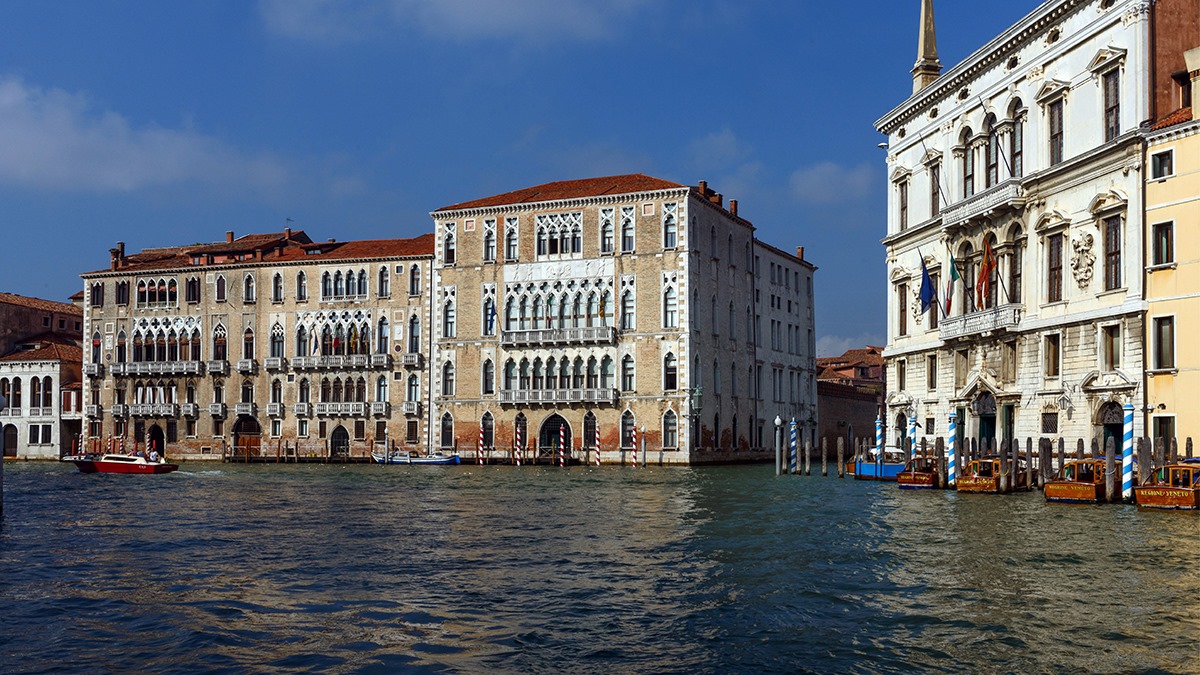
We are pleased to announce that on May 24, 2024, the event “The Thousand Lives of Glass” will take place at Ca’ Foscari University in Venice, organized by the Italian Chapter of the American Ceramic Society.

This initiative, launched in 2011 with the aim of bringing together companies and researchers in the glass sector, is dedicated to sharing the most innovative ideas developed in laboratories and transferring them to interested businesses to explore new opportunities offered by this extraordinary material with a millennia-old history. This is the third edition, following those held in 2019 and 2022. Isoclima SpA has contributed to the sponsorship of the event, supporting high-profile scientific gatherings. In addition to its role as a sponsor, Isoclima will actively participate in the event, presenting scientific contributions resulting from the international collaboration of its R&D department with some of the world’s leading experts in glass science.

Dr. Guglielmo Macrelli, Chief Technical Officer of Isoclima, will attend the event as a speaker with his presentation “Sustainable glass technologies for thinner yet stronger glass products,” co-authored by Arun K. Varshneya from Alfred University (USA), John C. Mauro from Penn State University (USA), and Stefan Karlsson from RI.SE (Sweden). He will also be a co-author in the presentation “Flexible glass: from the legend to the forefront of photonic research,” delivered at the event by Giancarlo Righini from CNR-IFAC (Florence, Italy), with additional co-authors including Guglielmo Macrelli, Maurizio Ferrari from CNR-Institute of Photonics and Nanotechnologies (Trento, Italy), and Anna Lukoviak from the Polish Academy of Sciences (Poland).

Shatterproof glass is a very specific product, with its uniqueness starting from its composition to its installation.

Shatterproof glass is so named because it ensures a good level of security: it is designed to protect people and objects from penetration caused by external attacks or accidental impacts.

The composition of the glass depends on the level of protection required. A basic level shatterproof glass is obtained by laminating the glass with a special interlayer that makes the final product solid and resistant. In case of breakage, it provides a high level of protection by preventing dangerous fragments from being projected inside the cabin, thus reducing the risk of injuring occupants.

Our response to this type of requirement is OmniGard®, a solution widely adopted by the majority of our law enforcement agencies, such as the State Police, Carabinieri, and the Guardia di Finanza.

Our Range of Shatterproof Glasses

Before addressing the installation of shatterproof glass, it’s important to understand the different types of products that we at Isoclima offer.

We can indeed provide specific products to meet our clients’ needs, even for extremely high levels of protection.

OmniLite® is one of our products, made by layering two or more sheets of glass, with specific plastic materials inserted depending on the required resistance level.

How do we ensure that a glass is truly resistant? For the highest levels, the standard requires the “Axe Test,” which ensures that glass (roof and windshield) installed on earthmoving or forestry vehicles can withstand impacts from stones, bulky debris, and large branches. The glass used in this case is certified according to the EN356 standard and is designed to withstand a minimum number of strikes from a blunt object (blade) weighing around 2 kg, made of forged steel capable of exerting extremely high localized impact forces.

Installation of Shatterproof Glass: How OmniGard® Works

The installation of shatterproof glass does not follow uniform procedures.

It all depends on the required level of shatterproof protection. OmniGard®, for example, is the easiest shatterproof glass to install on the market, characterized by a minimal increase in thickness and complete compatibility with the vehicle’s original structure.

The installation of OmniGard® products does not require complex interventions or dedicated structures, as the installation of the reinforced transparencies is quite similar to that of the vehicle’s standard glass. This, in turn, minimizes the necessary interventions on the car, ensuring the normal operation of the sealing systems and window lift mechanisms originally present in the vehicle.

Lastly, what unites our shatterproof transparencies is their road use homologation according to the ECE-R43 standard. This guarantees both the installer and the end customer that the product is tested and validated according to the strictest European standards and is qualitatively equivalent to the original product in the vehicle.

Isoclima boasts decades of experience in the design and construction of flat and curved bulletproof glass, always striving to provide maximum protection without compromising on functionality and aesthetics.

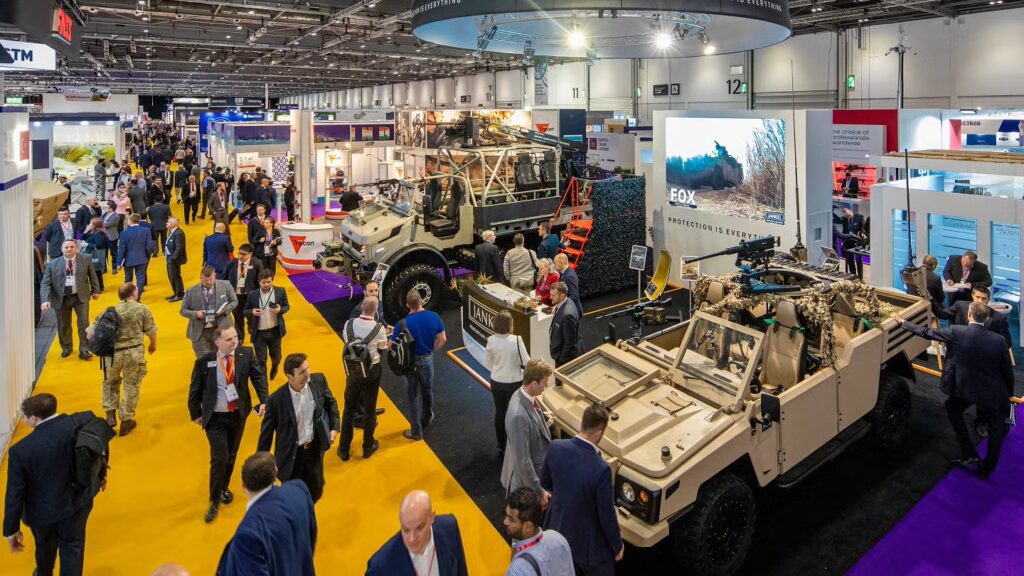
We are pleased to announce that Isoclima will once again be attending the international DSEI (Defence and Security Equipment International) exhibition, which will be held at the ExCel Centre in London from September 12th to 15th, 2023.

DSEI is one of the largest events in the world and is a key reference point for leading companies in the global security and defense industry.

The exhibition serves as a showcase and meeting point for industry leaders in the defense sector. Participants from over 40 countries will gather at the event to present their activities in London, UK.

During the exhibition, we will present some of our flagship products for the security sector, including:

  • Iveco VTLM 2 Encapsulated Side Window
    The encapsulation system allows for easy installation and replacement of the glass in the vehicle, while also reducing quality degradation in extreme climatic conditions. It ensures high protection of the materials, thanks to our patented system.
  • Toyota Land Cruiser 200 Side Window
    OmniArmor bulletproof glass, Isoclima’s most well-known product line. The glass is designed to ensure maximum safety against firearm attacks, meeting high ballistic standards, and maintaining one of the most competitive weight-to-thickness ratios on the market.

These and many other innovations await you at our stand H7-310.