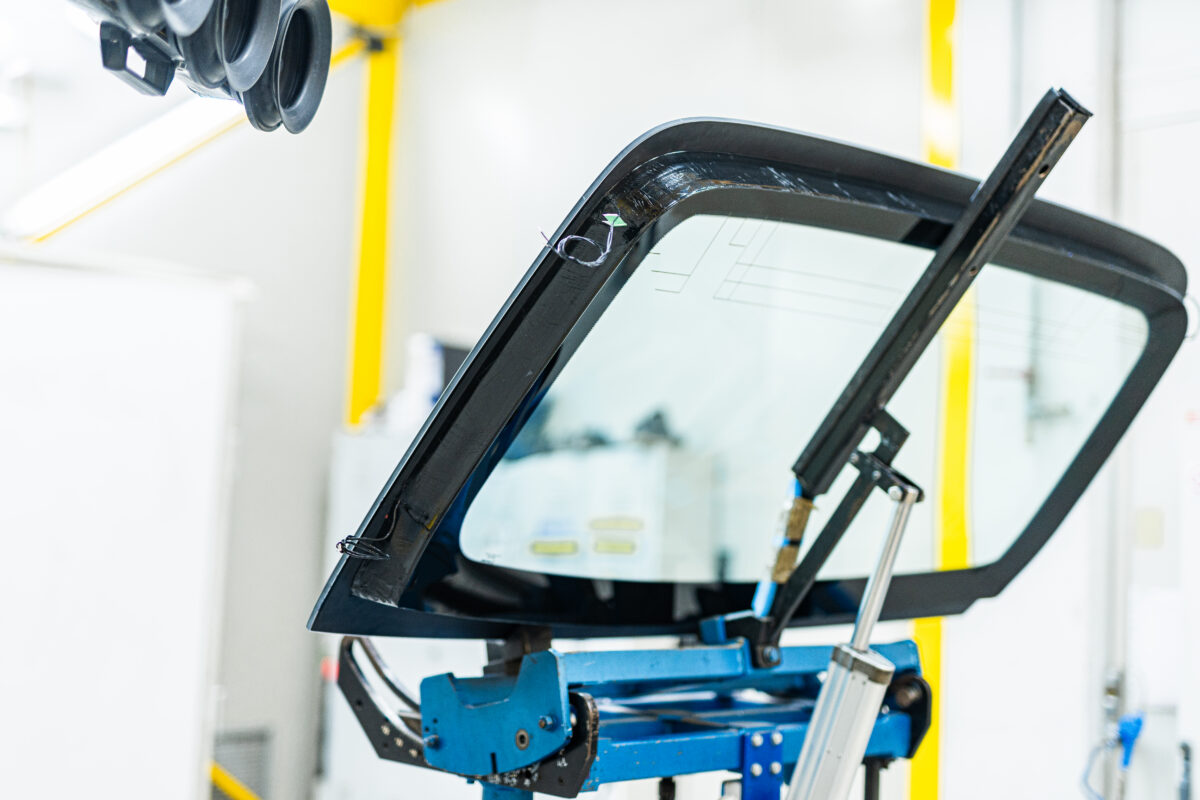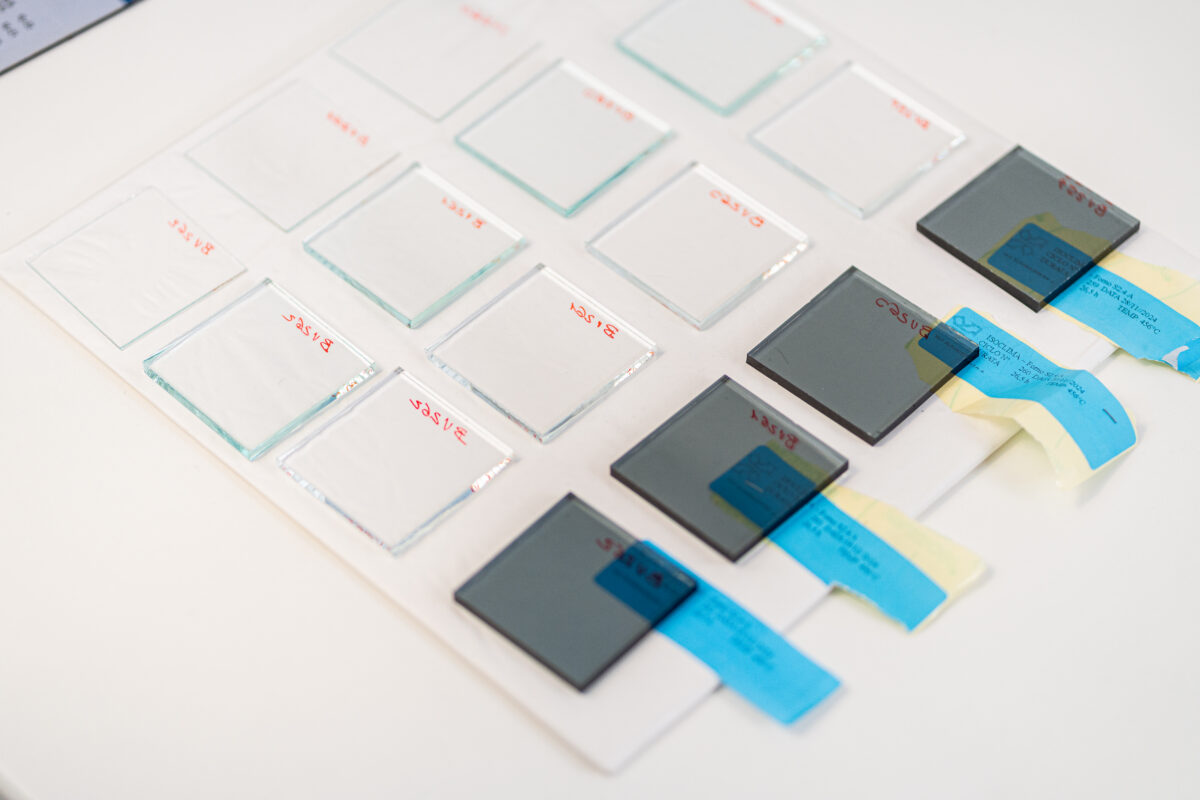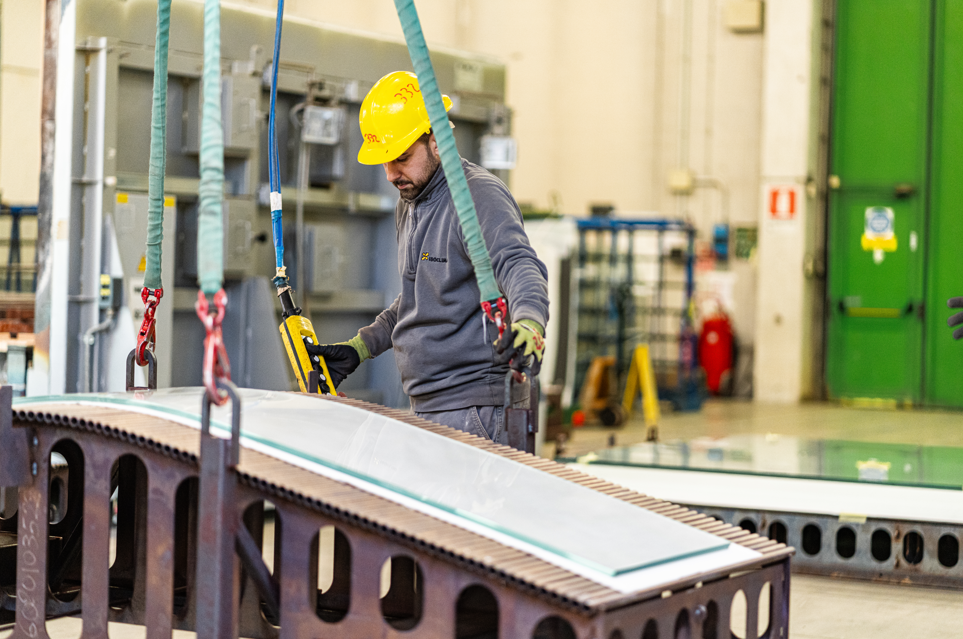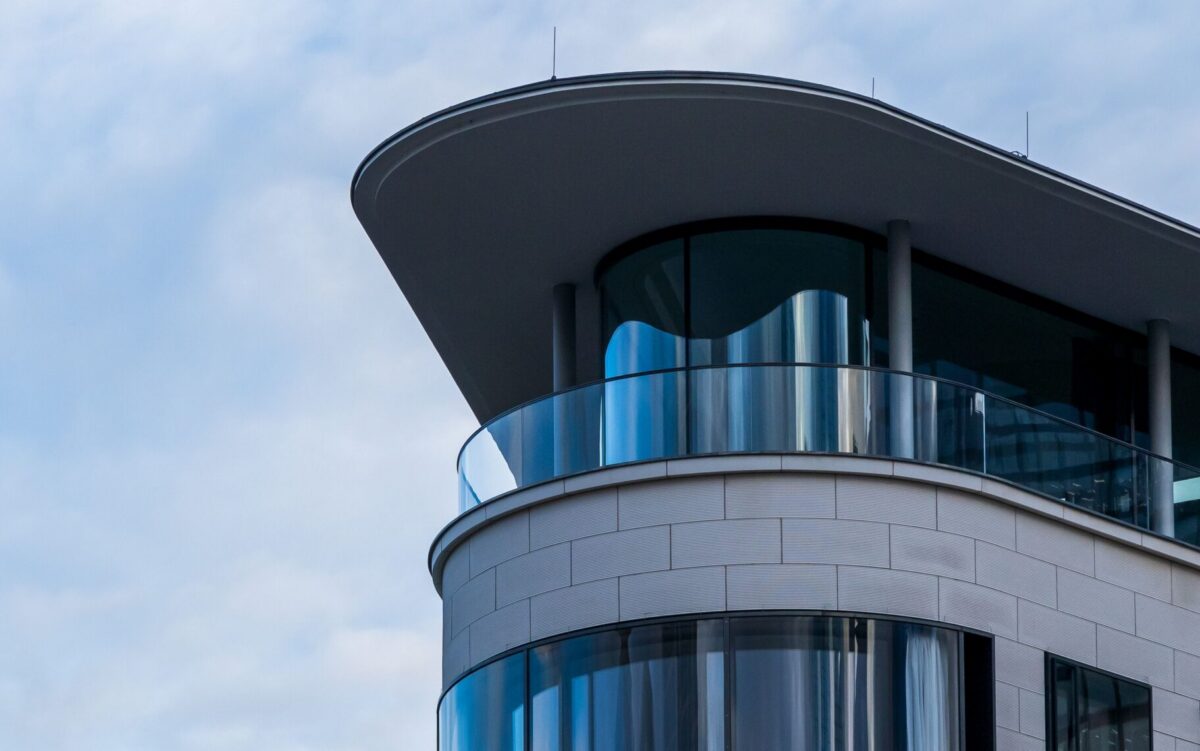
Isoclima concludes a successful participation at Farnborough International Airshow 2026, reinforcing its position in the global aerospace industry

Farnborough (UK), 24 July 2026 – Isoclima Group has successfully concluded its participation in the Farnborough International Airshow 2026, one of the world’s leading events for the aerospace industry, where the company met with customers, aircraft manufacturers, technology partners and institutional representatives from across the global aerospace ecosystem.

Hosted within the Italian Pavilion organised by the Italian Trade Agency (ITA), Isoclima used the event to strengthen existing relationships, establish new contacts and discuss the technological trends that are shaping the future of civil aviation, defence and advanced air mobility.

Throughout the exhibition, discussions consistently highlighted the growing importance of advanced transparent technologies in enabling safer, lighter and increasingly integrated aircraft platforms. Across both civil and defence programmes, the industry continues to place greater emphasis on solutions capable of combining optical excellence, structural performance, lightweight design and long-term reliability while supporting increasingly demanding certification and operational requirements.
With more than five decades of engineering experience, Isoclima continues to support leading aerospace manufacturers through the development and industrialisation of high-performance transparent systems for fixed-wing aircraft, helicopters and next-generation aerospace platforms. The Group’s technologies integrate advanced coatings, heating and de-icing systems, impact resistance and complex geometries, addressing the evolving needs of the global aerospace market.

“Farnborough once again confirmed the strong momentum and technological evolution taking place across the aerospace industry,” said Liviana Forza, Chief Executive Officer of Isoclima Group. “The quality of the discussions held throughout the week reinforced the growing strategic role of advanced transparent technologies in both current and next-generation aircraft. For Isoclima, the event represented an important opportunity to strengthen relationships with our customers and partners, while confirming the value of our engineering expertise and industrial capabilities in supporting increasingly complex aerospace programmes. Our collaboration with Vertical Aerospace, which selected Isoclima for the transparencies of its VA1-100 eVTOL aircraft, is one example of how we continue to contribute to the industry’s most innovative developments.”

The exhibition also confirmed the industry’s continued focus on advanced air mobility, sustainable aviation, next-generation defence platforms and increased industrial resilience. These trends are driving growing demand for highly engineered transparent systems capable of meeting increasingly stringent requirements for performance, safety, durability and manufacturability.

Building on the relationships strengthened during Farnborough, Isoclima will continue working alongside customers and partners worldwide to develop advanced transparent solutions that support the next generation of aerospace technologies.

In the field of security and high-performance transparent solutions, the EN 1063 standard is the European technical reference for the classification of bulletproof glass. Understanding its classes is essential for selecting the right solution for each application, from institutional buildings to armoured vehicles and critical infrastructure.

What is the EN 1063 standard

EN 1063 is the European standard that defines the test methods and classification criteria for bullet-resistant safety glass. Its purpose is to establish a common technical language, verifiable through standardised ballistic tests. This makes it possible to objectively compare the performance of products made by different manufacturers.

The tests set out in the standard are carried out by firing projectiles of defined calibre, velocity and type at a glass sample, from a fixed distance. To pass the test, the projectile must not penetrate the panel. In addition, any fragments on the side opposite the impact must not exceed specific size limits.

This criterion is known as spall assessment. It is an integral part of the classification and distinguishes glass that is truly suitable for protecting people from glass that offers only partial resistance.

The standard is now the benchmark adopted by designers, law enforcement agencies, government bodies and manufacturers of special vehicles when specifying security requirements in technical tender documents.

The BR (Bullet Resistant) classes

The BR classes, from BR1 to BR7, cover resistance to projectiles fired from short and long firearms, with calibres and velocities increasing along the scale. The lower band (BR1-BR3) typically covers low-energy handguns. Moving up the scale, the intermediate classes (BR4-BR5) introduce calibres more commonly used in civilian settings and common crime. The upper classes (BR6-BR7), finally, are intended for high-risk scenarios involving rifles and high-velocity ammunition.

Each BR class precisely specifies the type of weapon, the calibre of the projectile, its mass and the impact velocity required to pass the test. This level of detail makes it possible to select a level of protection genuinely proportionate to the risk of the application, avoiding both undersized solutions and unnecessary over-engineering that would increase costs and weight.

The SG classes

Alongside the BR classes, EN 1063 also includes two classes dedicated specifically to resistance against smooth-bore shotguns: SG1 and SG2. These classes address a distinct type of risk compared with rifled firearms. A shotgun, in fact, fires multiple pellets simultaneously, distributing energy across the glass surface differently from a single projectile.

Class SG1 corresponds to a lower threat level than SG2, which involves repeated shots fired at close range. The distinction between BR and SG classes therefore allows protection to be calibrated according to the type of weapon most likely to be encountered in a given context, such as security counters, banks or high-risk retail premises.

How to read the classification

Correctly interpreting an EN 1063 classification requires attention to three main elements.

The first is the class itself (for example BR4 or SG2), which identifies the threat level passed during the test. The second is the optional “S” or “NS” suffix, which indicates respectively the presence or absence of splinters beyond the permitted limits on the protected side. The “NS” designation (No Splinter) represents the highest performance level, as it guarantees the absence of dangerous fragments even in the event of a direct impact.

The third element to consider is the relationship between resistance class and panel thickness/weight, which varies according to the manufacturing technology and the glass build-up. For an equivalent declared class, products with lower thickness and weight offer significant advantages in terms of installation, structural management and ease of use, without compromising the certified level of security.

Summary table of classes

ClassThreat typeReference weaponSuffix
BR1 – BR3Handguns, low energySmall-calibre pistolsS / NS
BR4 Handguns, common calibresMedium to high-calibre pistolsS / NS
BR5 – BR7Long firearms, high energyRifles and high-velocity ammunitionS / NS
SG1Smooth-bore shotgun, single shotShotgunS / NS
SG2Smooth-bore shotgun, repeated shotsShotgunS / NS

Choosing the correct class should always start with an assessment of the specific risk context, carried out together with a technical partner able to guarantee certified products that comply with the requirements of the EN 1063 standard.

When designing a security solution, the choice between bullet-resistant glass and anti-intrusion glass is never straightforward. Both belong to the broader category of safety and security glass. However, they respond to fundamentally different protection needs. First of all, understanding the technical and regulatory differences between them helps identify the right solution for every application, from civil construction to defence, aerospace and security architecture.

What is anti-intrusion glass

Anti-intrusion glass is designed to resist break-in attempts, accidental impact or vandalism. Its primary function is to slow down or prevent access. As a result, this gives enough resistance time to deter intrusion or to allow law enforcement to intervene.

From a construction standpoint, anti-intrusion glass is generally a multi-layer laminated glass, made of several glass panes bonded with high-strength polymer interlayers. Consequently, as the number of layers and the overall thickness increase, so does the level of resistance to impact, repeated blows and attempted forced entry with hand tools.

For this reason, this type of glass is used in commercial buildings, banks, showrooms and private residences. More broadly, it is used in any setting where glazed openings need protection from intrusion attempts without requiring ballistic-grade performance.

What is bullet-resistant glass

Bullet-resistant, or ballistic, glass is engineered to withstand the impact of projectiles fired from firearms. Its goal is to stop penetration and protect what lies beyond the glazed surface. Additionally, this is a technologically more complex product, built from multiple layers of glass and polycarbonate calibrated to absorb and dissipate the kinetic energy of the impact.

Overall, the thickness and composition of the glazing package vary according to the required level of protection. This, in turn, depends on the weapon type, the projectile calibre and the firing distance defined by the threat scenario. For example, Isoclima develops bullet-resistant solutions for high-criticality sectors, including armoured vehicles and other applications for the defence sector and sensitive infrastructure, where ballistic protection is a non-negotiable requirement.

Reference standards (EN 356 vs EN 1063)

The distinction between the two glass types is also reflected precisely at the European regulatory level.

Firstly, standard EN 356 governs glass resistance to manual attack and impact. Specifically, it classifies products into classes from P1A to P8B, based on the number of blows withstood and the type of tool used in testing, from drop weight to axe. Overall, this is the reference standard for anti-intrusion glass.

Standard EN 1063, on the other hand, regulates the ballistic resistance of glass. In particular, it defines protection classes from BR1 to BR7, as well as specific classes for rifle ammunition (SG1, SG2). Each class corresponds to a defined weapon type, calibre and projectile velocity used in testing, which ensures an objective classification system that is comparable internationally.

Overall, knowing these classifications is essential for specifying the correct product at the tender stage. Above all, this helps avoid any ambiguity between mechanical protection levels and ballistic protection levels, which are in no way interchangeable.

When to choose one over the other

The choice between anti-intrusion glass and bullet-resistant glass depends on an assessment of the specific risk the project is exposed to. For instance, anti-intrusion glass is the right solution when the goal is to prevent theft, break-ins or vandalism in civil and commercial settings.

By contrast, bullet-resistant glass becomes necessary when there is a concrete risk associated with firearms, including institutional buildings, high-sensitivity banks, armoured vehicles, critical infrastructure and defence applications. In these contexts, ballistic protection is not an optional extra but a structural project requirement.

In many cases, the final decision also involves other variables, such as the overall weight of the structure and local industry regulations. For this reason, involving a technical partner during the design phase helps optimise the solution in relation to the actual level of threat.

Comparison table

FeatureAnti-intrusion glassBullet-resistant glass
ObjectiveResistance to break-in, impact, vandalismStopping projectile penetration
Reference standardEN 356EN 1063
ClassesP1A to P8BBR1 to BR7, SG1-SG2
Typical thicknessModerateSignificant, depending on threat level
Main applicationsCivil and commercial construction, retail, banksDefence, armoured vehicles, critical infrastructure

Bulletproof glass is a high-performance material. It is designed to withstand bullets, explosive fragments and forced entry attempts.

Contrary to what the name suggests, it is not simply thick glass. Instead, it is a layered composite system. It combines different materials to guarantee protection, transparency and structural integrity.

Bulletproof glass is used in the military, banking, automotive and architectural sectors. Today, it is a mature technical solution. It is also regulated at European level.

Composition and Materials

Bulletproof glass comes from joining multiple layers of transparent materials. Adhesion promoters bond these layers together. The typical structure includes:

  • Layers of float or tempered glass. These provide rigidity and resistance to the initial impact.
  • Layers of polycarbonate (PC). This is a thermoplastic polymer with high impact resistance. It absorbs the bullet’s residual energy.
  • Interlayers. These hold fragments together if the glass breaks. They also increase energy absorption.

The total thickness of a bulletproof panel usually ranges from 20 mm to over 70 mm. This depends on the level of protection required.

Some advanced systems also add layers of chemically tempered glass or composite materials. Military applications use these especially often. Here, the goal is to reduce weight without lowering ballistic performance.

How It Resists Bullets

The idea behind bulletproof glass is simple: it dissipates the bullet’s kinetic energy gradually. This happens through the different layers of the composite. On impact, three mechanisms activate in sequence.

  1. First, the outer glass layer deforms and cracks. This layer absorbs the hit. It cracks and starts absorbing energy. As a result, it slows the bullet down and deforms its tip.
  2. Next, the interlayers absorb energy. The polymer films between the layers stretch elastically. This spreads the energy over a wider surface. It also stops fractures from spreading out of control.
  3. Finally, the polycarbonate layer stops the bullet. Thanks to its high toughness, this inner layer holds the fragments together. It stops the bullet before it can pass through the panel completely.

So, the system does not “block” the bullet like a wall. Instead, it slows the bullet down step by step until it stops. At the same time, it keeps fragments from flying toward the interior.

EN 1063 Resistance Classes

In Europe, the EN 1063 standard regulates the classification of bulletproof glass. This standard defines seven ballistic resistance classes, from BR1 to BR7. It also adds two classes for resistance to bursts of fire: SG1 and SG2.

Each class depends on three factors: the ammunition used, the bullet’s velocity, and the firing distance.

ClassTest weaponCaliber
BR1Rifle.22 LR
BR2Handgun9 mm Parabellum
BR3Handgun.357 Magnum
BR4Handgun.44 Magnum
BR5Rifle5.56 × 45 mm
BR6Rifle7.62 × 51 mm
BR7Rifle7.62 × 51 mm

During testing, each sample takes three shots in sequence. It only passes if none of the shots fully penetrate the panel. Because of this, the standard is the mandatory reference for professional, institutional and governmental supplies.

Main Applications

Automotive

In the automotive sector, armoured vehicles use bulletproof glass. These vehicles often transport institutional figures, diplomats, security personnel and valuables.

The panels must meet strict requirements. These cover curvature, weight and integration with armoured doors. Government vehicles generally need at least class BR6. Civilian VIP applications, on the other hand, often use BR4 or BR5.

Defence

In the military and government sphere, bulletproof glass appears in tactical vehicles, fixed positions, turrets and advanced command structures. Here, multilayer composites combine glass, polycarbonate and ballistic ceramics. The goal is clear: keep the overall weight down while still protecting against armour-piercing ammunition and blast fragments.

Buildings

Architects also use bulletproof glass in banks, embassies, courts, control centres and other high-risk facilities. In these cases, the panels need more than ballistic resistance. They must also meet the aesthetic and thermal requirements of modern buildings.

The EN 1063 standard applies here too. Often, it works alongside EN 356, which covers resistance to manual break-in.

Artemis II has blasted off toward lunar orbit: The Launch and the 10-Day Journey

Overnight on April 1, 2026, NASA’s Space Launch System (SLS) rocket successfully lifted off from the Kennedy Space Center, carrying the Orion capsule and its crew. This marks a historic milestone: it is the first crewed mission of the Artemis program and humanity’s first journey beyond low Earth orbit since the Apollo era.

A Flawless Liftoff Right on schedule, the rocket executed its launch sequence perfectly:

Main Engine Cutoff: Eight and a half minutes after liftoff, the core stage completed its burn, separated from the upper stage, and began its descent toward a planned ocean splashdown.

Booster Separation: About two minutes into the flight, the twin solid rocket boosters exhausted their fuel and safely detached.

Core Stage Propulsion: The immense task of pushing the spacecraft forward then passed to the four powerful engines of the core stage.

Link: https://www.geopop.it/artemis-ii-e-partita-quattro-astronauti-in-viaggio-verso-la-luna-per-la-prima-volta-in-oltre-50-anni/

While 86% of companies invest for AI in business, only 43% prepare their employees to use it effectively, and just 19% of workers feel adequately skilled.

Accenture’s “Talent Reinventors” study highlights 18% of organizations that successfully integrate AI into daily work, fostering collaboration and continuous skill development.

These companies see major gains in culture, employee experience, workforce adaptability, and anticipate 2025 revenue and profit growth of 1.8% and 1.4%, respectively.

The transition to AI is having a significant impact on people: 55% of workers report “cognitive overload,” and 49% fear that AI could impact their jobs. Research highlights that the ability to generate value from AI increasingly depends not only on technology but also on leadership, visibility of skills, and psychological safety within organizations.

Link: https://forbes.it/2026/03/31/ai-in-azienda-investimenti-elevati-ma-competenze-ancora-insufficienti

Global Snapshot of waste could increase 50% by 2050 without major policy and investment shifts

The What a Waste 3.0 report warns that without action, annual waste volumes could grow to 3.86 billion tonnes by 2050.

Rising waste volumes will overwhelm existing infrastructure, undermine global economic development and job creation, and threaten public health and the environment.

To fully grasp the scale and urgency of today’s challenges, as well as the opportunities they present, the World Bank Group’s What a Waste 3.0 report offers the most up-to date data and statistical analytics on global solid waste management. Drawing on the most recent publicly accessible data from 217 countries and economies and 262 cities, it provides a framework for understanding how different policy choices and levels of ambition could shape the future of global waste.

Link: https://www.worldbank.org/en/publication/what-a-waste?cid=ECR_LI_worldbank_EN_EXT

The yachting “space race” pushes builders to pack big-boat features into compact designs. Consequently, owners maximize space without exceeding strict Length Overall (LOA) regulations.

But does a widebody design look chunky? Exterior designer Filippo Salvetti disagrees. “Instead, it is an opportunity to give the project greater dynamism,” he explains.

As a result, the yacht boasts a sporty, eye-catching silhouette. Salvetti highlights the contemporary exterior, noting its “sculpted and taut” surfaces.

Furthermore, clean upper deck bulwarks perfectly frame the glazing. Finally, a dynamic sweeping line around the helm adds tension and elegance to the hull.

Added volume, Filippo Salvetti says, “does not necessarily result in a massive, heavy yacht. It all depends on proportions.”  Like many yacht trends, the style was introduced in response to market demands. Alessandro Tirelli, chief sales officer of serial business at Ferretti Group, believes that clients aren’t as willing to make compromises when it comes to onboard volumes anymore.

“The widebody design was a key part of [our] vision,” he explains. “It allowed us to significantly expand the main deck interior volume, especially in the master suite, without compromising the yacht’s balance or performance.” While amping up the comfort and space, the yacht was able to keep her “dynamic spirit”, according to Tirelli.

Read the full article: https://www.boatinternational.com/yachts/reports/ferretti-yachts-940-review-widebody-design?j=791569&sfmc_sub=547316035&l=55_HTML&u=18785076&mid=500009995&jb=10&utm_source=sfmc&utm_medium=email&utm_campaign=Deep+Dive+110426&utm_term=Ferretti+Yachts+940%3a+Inside+the+widebody+that+rewrites+the+space+race+READ+MORE+ARTICLE&utm_id=791569&sfmc_id=547316035